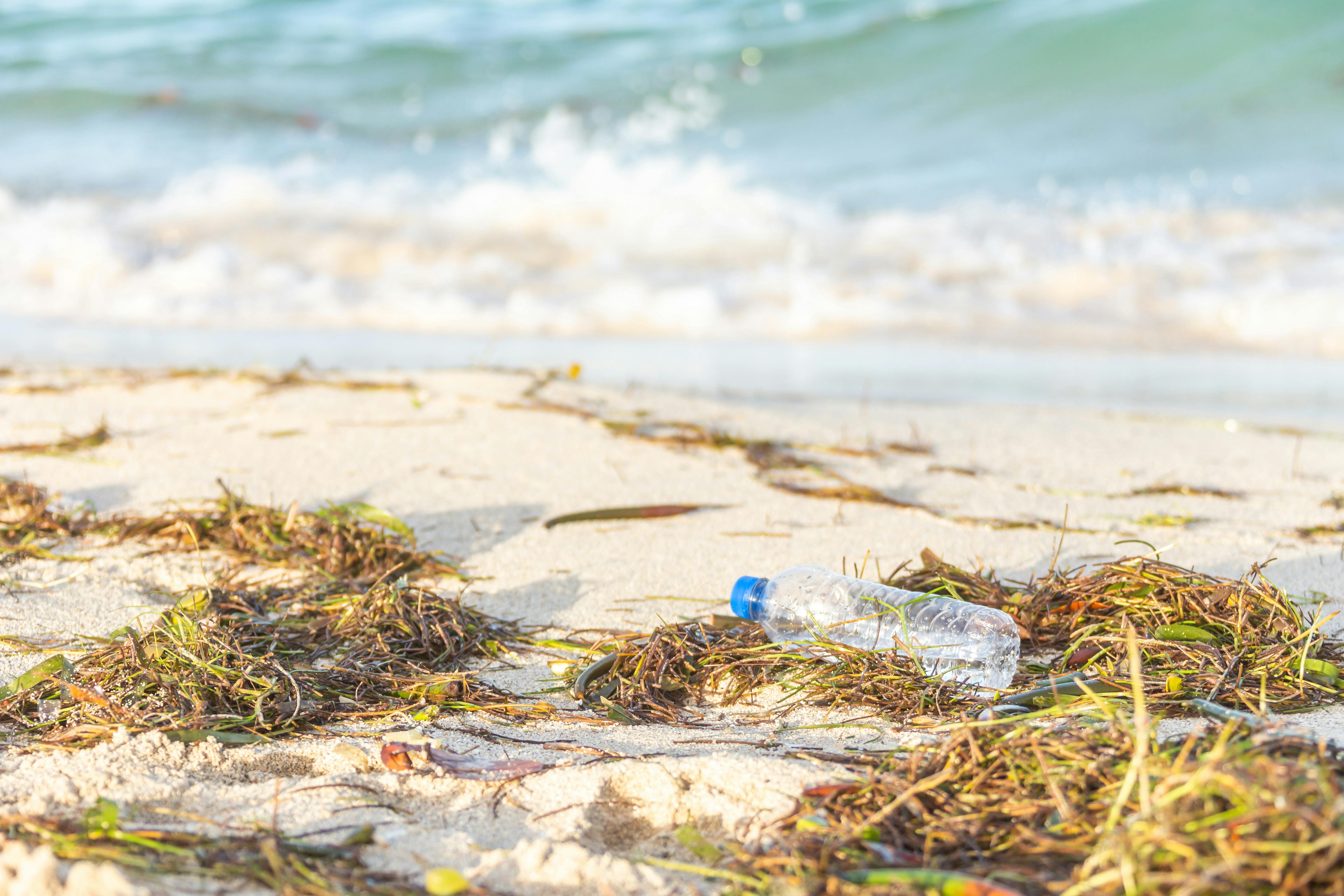
You’ve seen it. That neon-orange Doritos bag half-buried in the dunes, or a jagged piece of blue plastic sticking out of the sand right where you were about to put your towel. It’s annoying. It’s gross. But beach litter is way more than just a vibe-killer for your vacation photos.
Honestly, the situation is a bit of a mess. Most people think beach trash is just stuff left behind by messy tourists, but that’s only half the story. A lot of that garbage didn't start its journey at the coast; it traveled through storm drains, rivers, and ocean currents to land on your favorite stretch of sand. We’re looking at a global logistical nightmare that’s currently choking marine life and, frankly, ending up back on our dinner plates.
The Gritty Reality of Beach Litter
It’s not just straws. While the "Save the Turtles" movement did a great job making plastic straws the villain of the decade, the actual data from groups like the Ocean Conservancy shows a more complex picture. During their annual International Coastal Cleanup, the most common item found isn't usually a straw. It’s cigarette butts.
Think about that for a second.
Cigarette filters are made of cellulose acetate, a type of plastic that doesn't just "biodegrade" in the way people think. It shatters. It breaks down into smaller and smaller pieces until it’s invisible to the naked eye. These microplastics are the real monster under the bed. When we talk about beach litter, we’re talking about a multi-headed hydra of consumer waste, industrial runoff, and lost fishing gear—often called "ghost gear"—that haunts the tides.
Why the "Tourist Problem" is a Myth (Mostly)
Sure, the family next to you might leave their juice box behind, and that’s a problem. But a massive percentage of the waste we see on shores is "legacy plastic." This is stuff that has been floating in the North Pacific Garbage Patch for years before a specific storm cycle spat it back onto land.
Dr. Jenna Jambeck, a leading researcher on plastic waste, famously estimated that millions of metric tons of plastic enter the ocean every year. Much of this comes from land-based sources in countries where waste management systems simply can't keep up with the explosion of single-use packaging. So, while you're picking up a bottle cap in Florida, that cap might have started its journey in a river thousands of miles away. It's all connected.
The Health Risk Nobody Talks About
We talk a lot about birds getting tangled in six-pack rings, which is heartbreaking. But have you thought about what happens when that plastic cooks in the sun?
When beach litter sits on the sand, it undergoes photodegradation. The UV rays weaken the plastic, leaching chemicals like Bisphenol A (BPA) and phthalates directly into the sand. This isn't just bad for the crabs. These chemicals are known endocrine disruptors. If you have kids playing in that sand, building castles where plastic has been breaking down for months, they're coming into direct contact with those toxins.
And then there's the food chain. Small fish eat the microplastics. Big fish eat the small fish. You eat the big fish. It’s a closed loop. Recent studies have even found microplastics in human blood and lung tissue. Suddenly, that discarded water bottle feels a lot more personal, doesn't it?
The Economy of a Dirty Coastline
If you don't care about the birds or the chemistry, care about the cash.
Coastal communities depend on tourism. When a beach gets a reputation for being dirty, the money stops flowing. According to a study by NOAA (National Oceanic and Atmospheric Administration), a significant increase in beach litter can lead to millions of dollars in lost tourism revenue for local businesses. Towns have to spend taxpayer money on massive mechanical sifters—those giant tractors you see at 5:00 AM—just to keep the sand "white" enough for visitors. It’s an expensive, uphill battle that usually only addresses the surface-level trash, leaving the smaller, more dangerous bits behind.
What's Actually Being Done?
We're seeing a shift from "clean it up" to "stop the leak."
- Circular Economy Laws: Some regions are finally forcing companies to be responsible for the entire lifecycle of their packaging.
- The Intergovernmental Negotiating Committee (INC): They've been working on a legally binding global treaty to end plastic pollution. It’s a slow, bureaucratic crawl, but it’s the only way to handle a problem that doesn't respect national borders.
- Innovative Tech: Devices like the "Mr. Trash Wheel" in Baltimore or The Ocean Cleanup’s interceptors are trying to catch the trash in rivers before it becomes beach litter.
But let's be real: technology isn't a silver bullet. We can't vacuum our way out of this.
How You Can Actually Help (Without Being Annoying)
You don't need to join a 500-person gala to make a difference. It’s mostly about the boring, daily stuff.
Stop buying the "convenience" of single-use items. If you're at the beach, bring a reusable bag specifically for trash—not just your own, but whatever you see. Make it a game. The "Two-Minute Beach Clean" is a real movement that's gained traction because it's low-pressure. You just spend two minutes picking up junk before you head back to the car.
Also, look at your laundry. Synthetic clothes (polyester, nylon) shed microfibers in the wash that eventually end up in the ocean. Using a microfiber filter or a "Cora Ball" in your washing machine does more for the beach than you might realize.
Actionable Steps for Your Next Trip
- Audit your gear: Swap plastic pegs and cheap foam boogie boards (which crumble instantly) for wood or high-quality composites.
- The "Rule of Three": Every time you leave the beach, pick up three pieces of trash that aren't yours.
- Digital Advocacy: If you see a specific brand's trash constantly appearing on a beach, take a photo and tag them. Public pressure is one of the few things that actually makes corporations change their packaging.
- Check the tide: If you're doing a cleanup, go right after high tide. That’s when the "wrack line"—the line of seaweed and debris—is freshest and easiest to clear.
The reality is that beach litter is a design flaw of modern life. We created materials meant to last forever and used them for things intended to be used for five minutes. We're now living with the consequences of that math. It’s going to take a long time to fix, but every piece of plastic you pull out of the sand is one less thing that can kill a turtle or end up in someone's dinner.
Start small. Keep it consistent. Don't let the scale of the problem paralyze you into doing nothing at all.