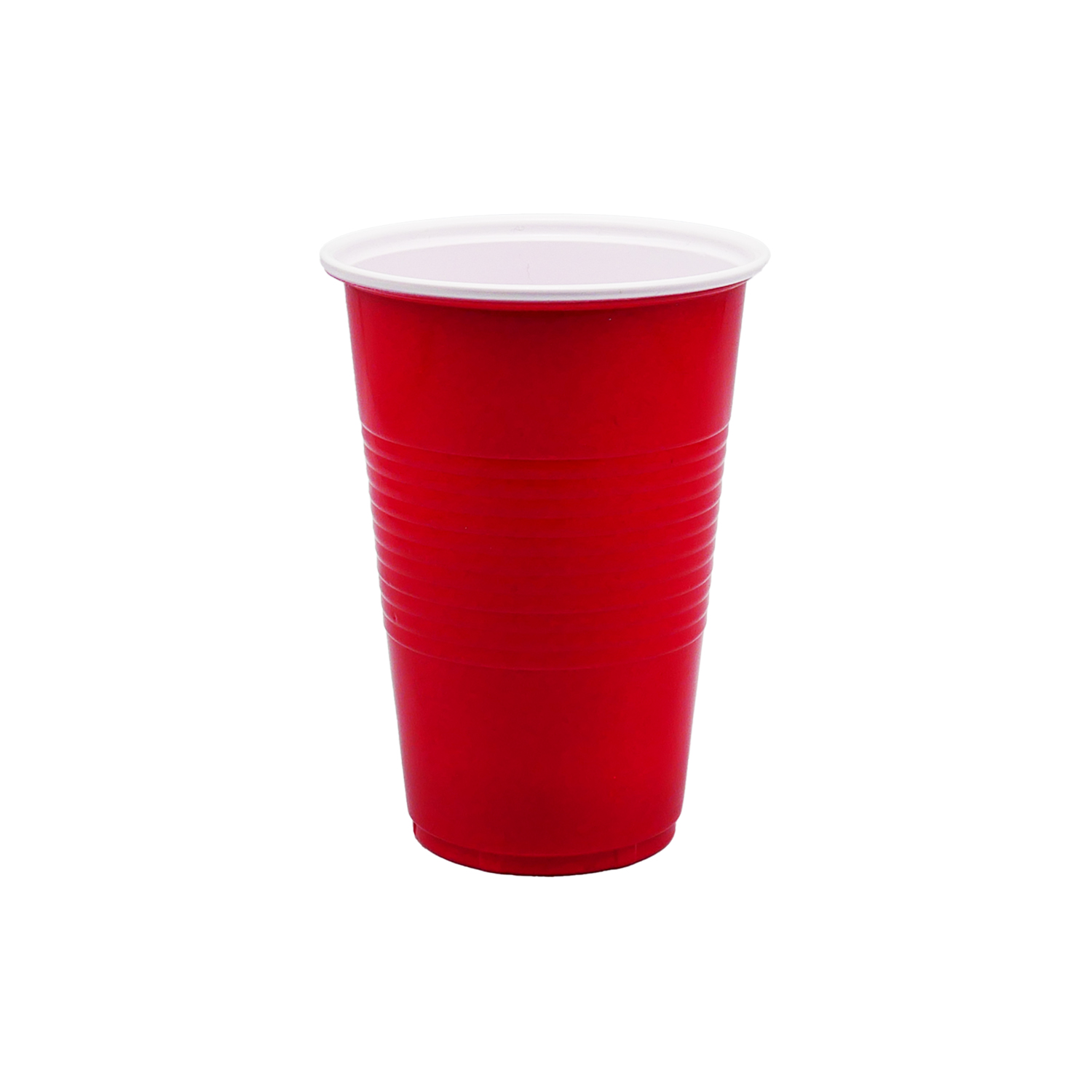
You're standing in the kitchen. Flour is on your face. The recipe calls for a specific amount of liquid, but your measuring cup only shows ounces, or maybe you only have a half-cup measure handy. You need to know how 4fl oz to cups works, and you need to know it before your oven preheats.
Basically, 4 fluid ounces is exactly half a cup.
It sounds simple. It is simple. But if you’ve ever had a cake come out like a brick or a sauce that refused to thicken, you know that "simple" math in the kitchen is where things usually go sideways. Kitchen measurements are a weird mix of historical accidents and scientific precision. Honestly, most people mess this up because they treat dry ounces and fluid ounces like they're the same thing. They aren't.
The Raw Math of 4fl oz to Cups
Let’s get the technical stuff out of the way. In the United States, the standard system dictates that 1 cup equals 8 fluid ounces. This is the "Customary System." When you take 4fl oz to cups, you’re dividing four by eight.
$4 / 8 = 0.5$
So, 4fl oz is 0.5 cups. Half a cup. Simple.
But wait. There’s a "Legal Cup" used by the FDA for nutrition labeling, which is slightly different—exactly 240 milliliters. Then there's the Imperial cup used in older UK recipes, which is about 284 milliliters. If you’re using an old cookbook from your great-aunt in London, your 4 fluid ounces might not actually be half a cup in her world. It’s a mess, right? For most of us in American kitchens using modern tools, stick to the 1:2 ratio.
Why Your Measuring Cup Might Be Lying to You
You probably have two types of measuring cups. One is plastic or metal and fits inside the other (dry cups). The other is glass or clear plastic with a handle and a spout (liquid cups).
Don't swap them.
Trying to measure 4 fluid ounces of milk in a dry half-cup measure is a recipe for a spill. More importantly, it’s hard to get an accurate level. To get 4fl oz to cups right, you need to use a liquid measuring cup. Place it on a flat surface. Don't hold it in your hand. If you hold it, your hand tilts. Even a slight tilt changes the volume. Get down at eye level. If the liquid's meniscus—that little curve at the top—touches the line, you’re golden.
The Liquid vs. Dry Ounce Trap
Here is where the real trouble starts. Ounces measure weight. Fluid ounces measure volume.
Imagine 4 fluid ounces of water. It weighs roughly 4 ounces. Now imagine 4 ounces of feathers. That would fill a whole pillow. If a recipe says "4 oz of flour," it means weight. If you use your half-cup measure (thinking you’re doing a 4fl oz to cups conversion), you’ll likely end up with about 2 to 2.5 ounces of flour depending on how packed it is. Your bread will be a disaster.
4fl oz to cups only works for liquids like:
- Water
- Milk
- Oil
- Honey (though it’s sticky and a pain to measure)
- Broth
If it’s a powder, get a scale. Seriously. Professionals like Claire Saffitz or the folks at King Arthur Baking scream this from the rooftops for a reason. Weight is king for solids. Volume is for liquids.
International Confusion: The Metric Problem
If you’re looking at a recipe from literally anywhere else in the world, they’re probably using milliliters.
One US fluid ounce is approximately 29.57 milliliters. So, 4 fluid ounces is roughly 118 milliliters. If your recipe is European and asks for 120ml, your 4oz or half-cup measurement is close enough. Nobody is going to notice a 2ml difference in a stew. In a delicate soufflé? Maybe. But for 99% of home cooking, 118ml is your target when dealing with 4fl oz to cups.
The Australians do things their own way too. A standard Australian cup is 250ml. If you use a US half-cup (118ml) when an Aussie recipe asks for a half-cup (125ml), you’re short-changing your recipe by a significant amount.
Real-World Kitchen Scenarios
Let's look at a standard vinaigrette. Most chefs recommend a 3:1 ratio of oil to vinegar. If you have 4fl oz of olive oil, you need about 1.3 fluid ounces of vinegar. In "cup talk," that's half a cup of oil and a little over two tablespoons of vinegar.
What about coffee? A "cup" of coffee on a standard carafe is often actually 5 or 6 ounces, not 8. If you’re trying to brew a specific strength and you think you’re pouring 4 cups (32oz), you might actually be pouring 24oz. It’s these little inconsistencies that make "4fl oz to cups" such a frequent search term. We don't trust our equipment because the equipment isn't standardized.
Tools of the Trade: Does Brand Matter?
Not all measuring cups are created equal. Pyrex is the gold standard for a reason. Their markings are generally kiln-fired and don't rub off after three washes. Cheaper plastic versions from the dollar store can actually be off by as much as 10%.
If you're serious about your 4fl oz to cups accuracy, do a calibration check. Weigh your empty measuring cup on a digital scale. Zero it out. Fill it to the 4oz mark with water. The scale should read roughly 118 grams (since 1g of water = 1ml). If it says 105 grams or 130 grams, throw that cup away. It's lying to you and ruining your dinner.
Common Conversions for 4 Fluid Ounces
Sometimes you don't have a cup at all. You have spoons.
- 4 fl oz = 8 tablespoons
- 4 fl oz = 24 teaspoons
- 4 fl oz = 1/4 of a pint (US)
- 4 fl oz = 1/8 of a quart
Knowing that 4fl oz is 8 tablespoons is a lifesaver when you've lost your half-cup measure in the depths of a junk drawer. It's tedious to scoop eight times, but it works.
When Close Enough Isn't Good Enough
In braising, measurements are suggestions. If you're pouring 4fl oz of red wine into a pot of short ribs, and you accidentally pour 5oz, it doesn't matter. The alcohol cooks off. The flavor deepens. It’s fine.
In candy making or tempered chocolate work, 4fl oz to cups precision is a matter of life and death for the recipe. Too much liquid in a chocolate ganache and it won't set. Too little and it's a rock. This is why high-end pastry chefs abandon cups entirely and move to grams. Grams don't care about the shape of your cup or the tilt of your head. They are absolute.
Actionable Next Steps for Accurate Cooking
Stop guessing. If you want to master your kitchen, stop relying on the "eyeball" method for anything other than salt and pepper.
- Buy a digital scale. Use it for everything. If a recipe gives you grams, use them. If it gives you ounces, determine if it means weight or volume.
- Standardize your cups. Stick to one brand (like Pyrex or Oxo) so your "half cup" is the same every time you cook.
- Check the Meniscus. Always measure liquids on a flat counter, never in the air. Look for the bottom of the curve.
- Label your ingredients. If you use a specific container for 4oz portions of broth or sauce, mark it with a permanent marker so you don't have to remeasure every time you pull it from the freezer.
- Remember the 8oz Rule. 1 cup = 8oz. 1/2 cup = 4oz. 1/4 cup = 2oz. Memorize it like a mantra.
Understanding the shift from 4fl oz to cups is the first step in moving from a "recipe follower" to a "cook." It’s about knowing the why behind the measurement. Once you realize that a fluid ounce is a measure of space and a regular ounce is a measure of heaviness, the entire logic of the kitchen opens up. You’ll stop making the "dry for liquid" mistake and start seeing the patterns in every recipe you read.
Check your current liquid measuring cup for a "ml" scale on the opposite side. Practice filling it to 118ml and see where that lands on the ounce line. This visual calibration will help you more than any chart ever could.