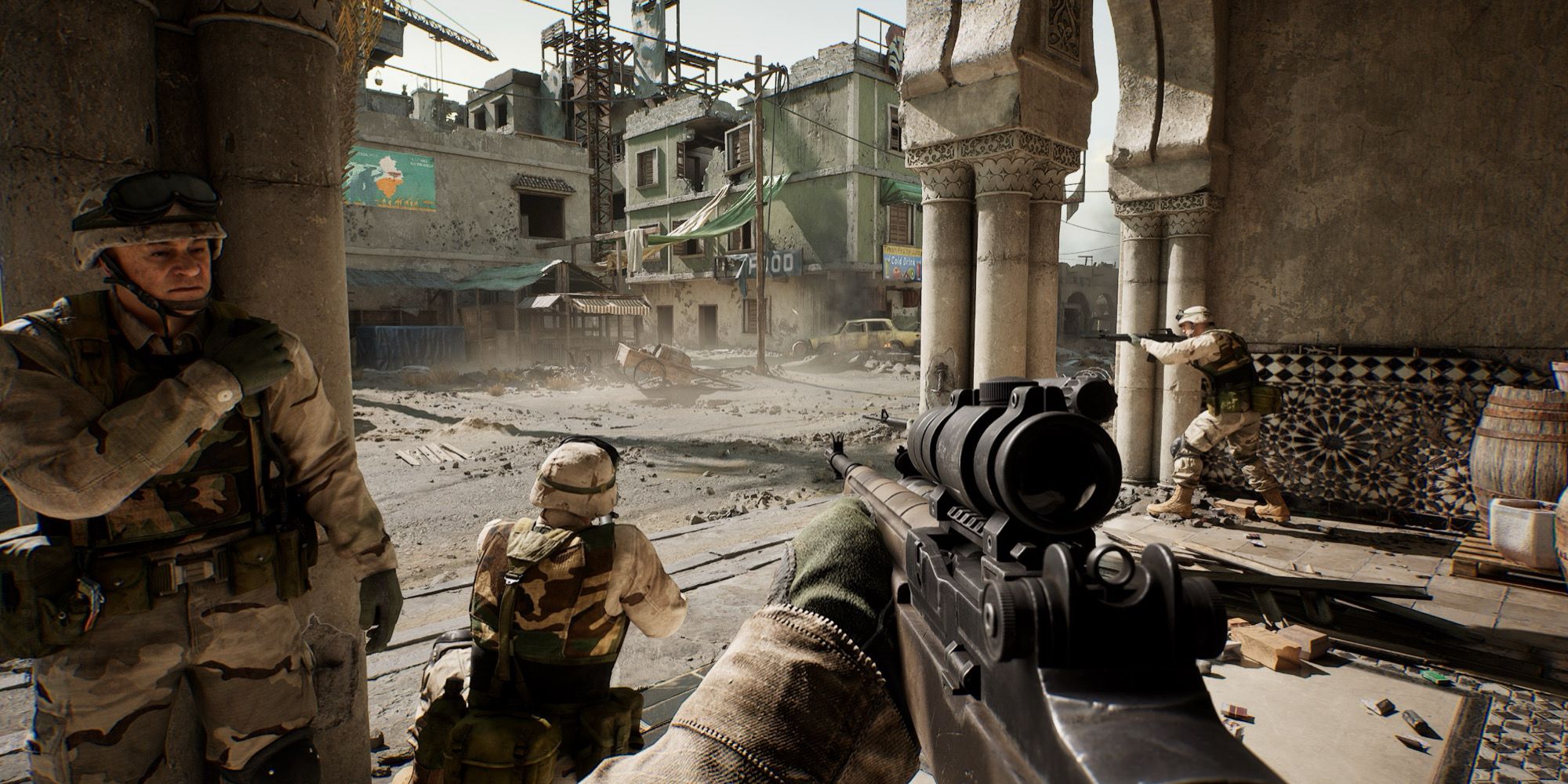
Honestly, if you’ve seen the movie, you probably think you know the whole story. Ridley Scott’s Black Hawk Down is a masterpiece of visceral filmmaking, but it’s a movie. It captures the chaos, sure. But the real-world mechanics of how the Delta Force operated during those 15 hours in Mogadishu—and why they were even there—is way more complex than what fits on a cinema screen.
We’re talking about October 3, 1993. Most people call it the Battle of Mogadishu. The Somalis call it Maalintii Rangers—the Day of the Rangers. But for the guys in the "Unit," it was Operation Gothic Serpent. It wasn't supposed to be a war. It was supposed to be a "snatch and grab" that took an hour. Max.
The Delta Force Mission That Spiraled
The goal was simple, or so they thought. Task Force Ranger—a mix of Delta operators, 75th Rangers, and 160th SOAR aviators—was sent to grab two of Mohamed Farrah Aidid’s top advisors. They were meeting in a building near the Olympic Hotel.
Delta was the "scalpel."
While the Rangers fast-roped down to create a perimeter (the "sledgehammer"), the Delta operators were the ones actually hitting the building. They moved fast. They were elite. In and out. Within minutes, they actually had the targets. Mission success, right? Not even close.
When the first Black Hawk, Super 61, took an RPG to the tail rotor and went down, the entire math of the mission changed. You’ve got to understand the Delta mindset here. They don’t leave people behind. Period. The "search and rescue" phase didn't just happen; it was a desperate, immediate pivot that forced highly trained specialists into a meat grinder of urban warfare they hadn't fully armored up for.
Why the Movie Got the "Unit" Wrong
In the film, the Delta guys—like the characters based on Gary Gordon and Randy Shughart—come off as almost superhuman. And yeah, they were. But the movie simplifies the friction between the units.
The Rangers were mostly young, disciplined, and followed the book. Delta? These guys were older. They had beards. They wore "high-cut" helmets and whatever gear they wanted. There was a genuine culture clash. More importantly, the movie skips the fact that there were also Navy SEALs (from SEAL Team 6) and Air Force Pararescuemen (PJs) in the mix. It wasn't just a two-team show.
One thing the movie does get right is the sheer volume of fire. But it misses the "quiet" moments. Survivors often talk about the weird lulls. You’d be in a life-or-death struggle on one street corner, and half a block away, it was eerie silence. Until the next wave of militia arrived.
The Sacrifice of Gordon and Shughart
If we’re talking about Delta Force in Mogadishu, we have to talk about the second crash site. Super 64, piloted by Mike Durant, went down about a mile away from the first one. The ground convoy was stuck. The Rangers were pinned.
Master Sergeant Gary Gordon and Sergeant First Class Randall Shughart were snipers providing cover from the air. They saw the Somali militia swarming Durant’s crash site. They knew if they didn't go down there, everyone on that bird was dead.
They asked for permission to be inserted.
Denied.
They asked again.
Denied.
The third time, they basically forced the issue.
They were dropped into a hornet's nest with nothing but their sniper rifles and pistols. Think about that for a second. Two men against hundreds, maybe thousands. They moved through a maze of shanties, reached the wreck, and pulled Durant out. They fought until they ran out of ammo. Gordon’s last act was handing a rifle with five rounds to a dazed Durant and saying, "Good luck."
Both were posthumously awarded the Medal of Honor. It was the first time the medal had been given since the Vietnam War. They saved Durant's life, even though they lost theirs.
The Technical Reality of the "Black Hawk Down" Incident
People ask why the US didn't just use tanks or AC-130s. The short answer? Politics.
The Clinton administration had denied requests for heavy armor and gunships weeks earlier to avoid looking like they were escalating the conflict. So, when Delta Force and the Rangers got into trouble, they were essentially fighting a 20th-century urban war with light infantry gear.
- The RPG factor: The Somali militia had learned that if they banked the RPG blast off a wall or aimed for the tail rotor, the Black Hawks were vulnerable.
- The "Mogadishu Mile": This wasn't a victory lap. It was a literal run for survival by the remaining troops who couldn't fit on the rescue vehicles the next morning.
- The Casualties: 18 Americans died that day (with more in the days following). Estimates for Somali deaths range from 312 to over 1,000. It was a bloodbath.
What Most People Get Wrong About the Outcome
Was it a failure? Tactically, no. They actually caught the guys they went after. Task Force Ranger accomplished the primary objective in the first 20 minutes.
But strategically? It was a disaster. The images of American soldiers being dragged through the streets of Mogadishu changed US foreign policy for a generation. It’s what historians call "Somalia Syndrome"—a deep-seated reluctance to intervene in foreign conflicts, which arguably led to the US staying out of Rwanda a year later.
Basically, the bravery of the Delta Force operators was used to cover up a massive failure in leadership and intelligence at the top. The guys on the ground did their jobs perfectly under impossible conditions. The people in Washington? Not so much.
Lessons from the Battle of Mogadishu
If you’re a history buff or just interested in how special ops work, there are a few real-world takeaways here:
- Overconfidence is a killer. The mission was scheduled for the afternoon because they thought the Somalis wouldn't be ready. They were.
- Communications break down. The "Orion" spy plane overhead was relaying directions to the convoy, but because of the lag and the maze-like streets, the trucks kept taking wrong turns into ambushes.
- The Human Element. No amount of technology replaces the bond between teammates. Every survivor says the same thing: they weren't fighting for a cause by midnight; they were fighting for the guy next to them.
To truly understand the Delta Force involvement in the Black Hawk Down incident, you should look into the primary accounts. Read Black Hawk Down by Mark Bowden—the book is much more detailed than the film. Also, check out the interviews with Mike Durant or the memoirs of the Rangers who were on the ground, like Jeff Struecker.
If you want to dive deeper into special operations history, researching the subsequent changes in "Urban Close Quarters Battle" (CQB) tactics after 1993 is eye-opening. The military completely reinvented how they fight in cities because of what happened in those dusty streets.