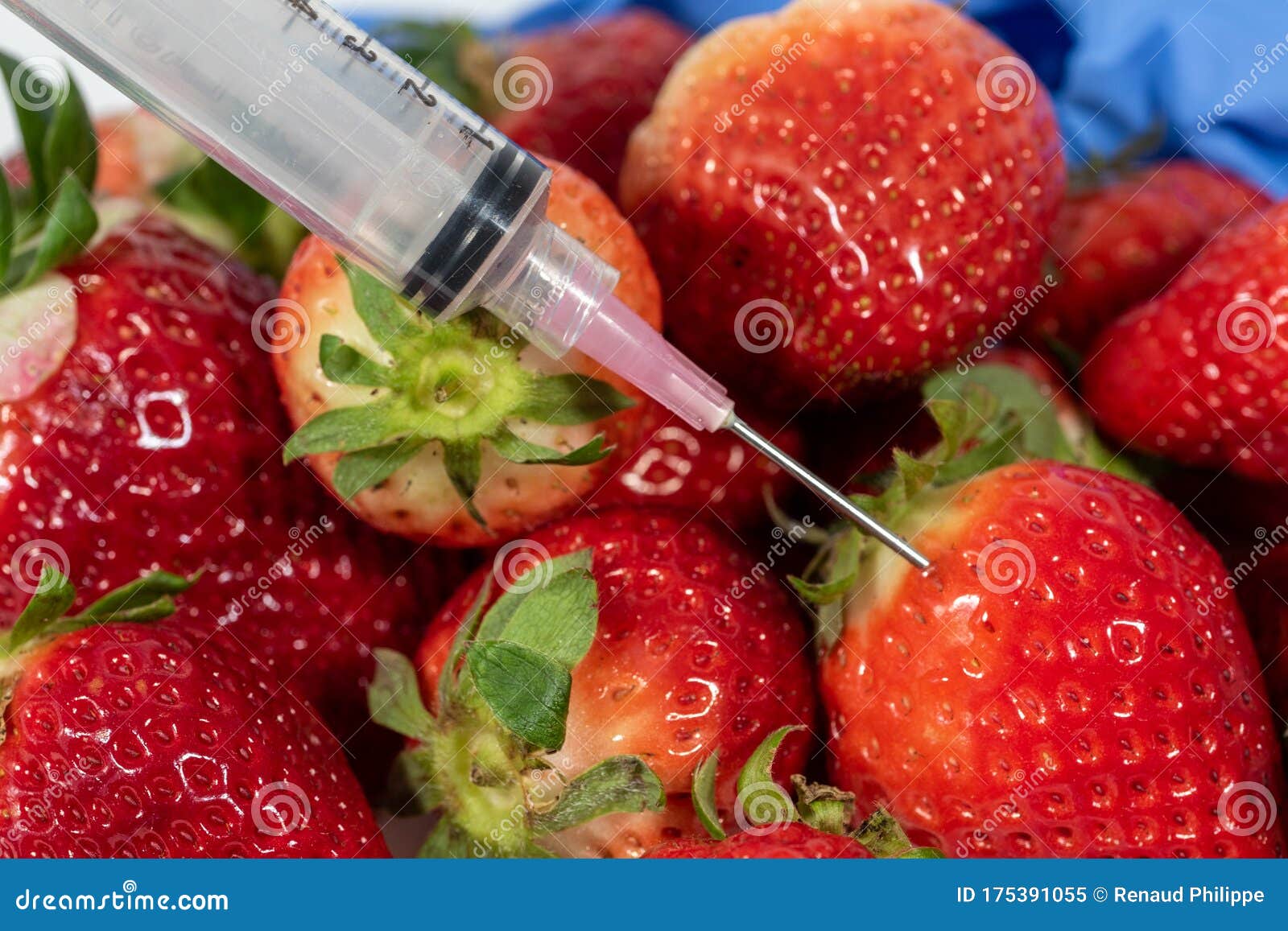
You’ve seen the photos. Those glossy, neon-red strawberries the size of a fist and seedless watermelons that look like they were manufactured in a lab. We take it for granted that a banana will be sweet, creamy, and conveniently handle-shaped. But if you hopped into a time machine and went back a few thousand years, you probably wouldn't even recognize your favorite snacks. Honestly, you might not even be able to eat them.
Most of what we eat today is the result of thousands of years of human intervention. We call it "selective breeding" or "artificial selection," which is basically just the slow-motion version of genetic modification. Long before CRISPR or modern bioengineering, ancient farmers were the original geneticists. They saved the seeds from the biggest, sweetest, or least-poisonous plants and threw the rest away. Over generations, this radically altered the DNA of the food on our plates.
The Watermelon’s 17th Century Makeover
Look at a 17th-century painting by Giovanni Stanchi. It’s a still life that looks normal at first glance, but then you notice the watermelon. It’s weird. Instead of that solid, vibrant red flesh we expect at a July 4th cookout, Stanchi’s watermelon has these bizarre, swirling white patterns and massive black seeds embedded in six triangular sections. It looks hollow. It looks dry.
Wild watermelons (Citrullus lanatus) originated in Africa. They weren't the sweet, hydrating treats we know now. They were small—maybe two inches across—and incredibly bitter. Some were so hard you had to smash them with a hammer just to get inside. Archaeologists found seeds in Libyan settlements dating back 5,000 years, but those people weren't eating them for the sugar. They were likely using them for their high water content in arid climates or roasting the seeds. It took centuries of picking the "mutants" with more lycopene (the red stuff) and more sugar to get to the grocery store version.
The Banana Problem
The banana is probably the most extreme example of fruits before genetic modification. The wild ancestor, Musa acuminata, is almost entirely inedible. Imagine biting into a banana only to have your teeth hit a dozen hard, pea-sized seeds. It’s crunchy. It’s bitter. It has almost no "meat" to it.
Humans eventually crossed Musa acuminata with Musa balbisiana, and through a series of genetic flukes, we ended up with triploid plants—meaning they have three sets of chromosomes instead of two. This makes them sterile. No seeds. That’s why you see those tiny little black dots in the middle of a Cavendish banana today; those are the "ghosts" of seeds that never grew. But because they can't reproduce on their own, every single banana you eat is a clone. We've optimized them so much for convenience that they've lost their genetic diversity, which is why diseases like Panama wilt are such a massive threat to the global supply. It’s the price we pay for a seedless snack.
Wild Peaches Were Basically Cherries
Peaches have changed more than almost anything else. Back in 4,000 B.C. in China, a "peach" looked like a small, salty cherry. It was about 25 millimeters wide. You’d get maybe 64% edible flesh, and the rest was a massive pit. It tasted "earthy" and "sour," according to some botanical reconstructions.
Farmers spent 6,000 years selecting for size. Today, a peach is roughly 64 times larger than its wild ancestor. It’s also significantly juicier and about 27% sweeter. We’ve essentially turned a tiny, salty drupe into a giant bag of sugar-water.
The Evolution of the Wild Carrot and Corn
Wait, carrots aren't fruits. But the logic is the same. The wild carrot (Daucus carota) was a thin, spindly, white or purple root that tasted like medicine. It wasn't until the 10th century in Persia that people started breeding them to be fleshier. The orange color? That was largely a Dutch innovation in the 17th century, allegedly to honor the House of Orange, though botanical records suggest orange mutants existed before then and were simply favored because they looked more appetizing than the "dirty" looking purple ones.
Then there’s corn (maize). If you saw wild Teosinte, you’d think it was a weed. It’s a tiny stalk with about 5 to 12 hard kernels that could break your teeth. It took about 9,000 years of Indigenous breeding in Mexico to turn that grass into a 12-inch cob with hundreds of soft, sugary kernels.
Is "Natural" Even a Real Thing?
People get really worked up about GMOs—genetically modified organisms created in labs using gene-splicing technology. And hey, there are valid conversations to be had about corporate monopolies on seeds or long-term ecological impacts. But from a purely biological standpoint, the "natural" fruit you see in a bowl on your counter is already a "franken-fruit."
There is almost nothing "natural" about a seedless grape or a Navel orange. Navel oranges, for example, all originated from a single mutation on a tree in a Brazilian monastery in the 1800s. It was a genetic dead end—a twin fruit growing inside another fruit—but it was delicious. Humans saw that mutation, thought "I want more of that," and started grafting branches onto other trees.
Every Navel orange you’ve ever eaten is technically a part of that one original tree from Brazil.
Why This Matters for the Future
We’ve bred these fruits for specific traits:
- Sugar content
- Shelf life
- Uniformity
- Pest resistance
But in doing so, we’ve often sacrificed nutrition and flavor complexity. Old-school, heirloom varieties often have significantly higher levels of phytonutrients and antioxidants than their supermarket cousins. They also have much more interesting flavors—smoky, tart, or spicy notes that have been "bred out" in favor of pure sweetness.
The movement toward "ancient grains" and heirloom produce isn't just a hipster trend. It’s a survival strategy. As the climate changes, we might need those rugged, "ugly" genes from the wild ancestors to keep our food supply stable.
Actionable Steps for the Modern Eater
If you want to experience what fruits were like before they were hyper-optimized for the grocery aisle, you have to look outside the big-box stores.
- Visit an Heirloom Orchard: Seek out "heritage" apples like the Esopus Spitzenburg (Thomas Jefferson’s favorite) or the Arkansas Black. They don't look like Red Delicious, but the flavor is incomparable.
- Check the Farmers Market for "Ugly" Produce: Small-scale farmers often grow varieties that don't ship well but taste incredible. Look for the lumpy tomatoes and the tiny, seedy berries.
- Support Seed Banks: Organizations like Seed Savers Exchange work to preserve the genetic diversity of plants before they disappear forever.
- Eat Seasonally: Modern genetic modification often focuses on making fruit available year-round. Eating seasonally usually means you’re getting varieties bred for flavor rather than "ability to survive three weeks in a shipping container."
We've spent 10,000 years reshaping the plant kingdom to suit our cravings. Understanding where these fruits came from helps us appreciate just how much work—and how much luck—went into that morning smoothie.