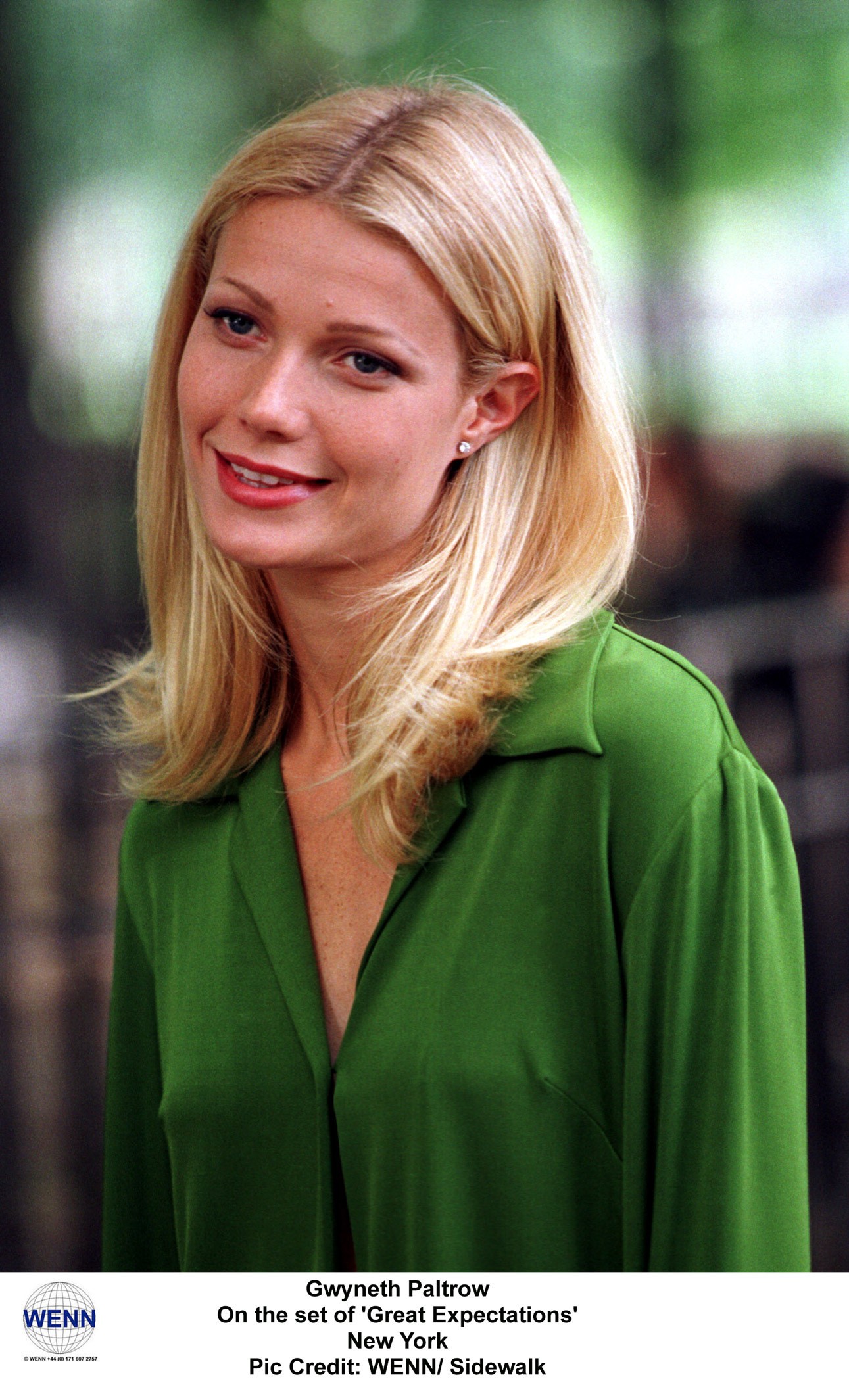
In the late nineties, you couldn't go anywhere without seeing Gwyneth Paltrow's face. She was the "It Girl" of a generation, a blonde, statuesque presence who seemed to glide through Hollywood with an effortless, almost royal air. But the pinnacle of that era wasn't just about magazine covers or high-profile romances with Brad Pitt. It was about one specific night in March 1999.
So, what did Gwyneth Paltrow win an Oscar for?
Basically, she won the Academy Award for Best Actress for her role as Viola de Lesseps in the 1998 romantic period drama Shakespeare in Love.
She was only 26 years old at the time. To this day, that win remains one of the most talked-about moments in Oscar history, and not just because of the performance itself. It was the dress, the tears, the aggressive marketing campaign, and a certain pink Ralph Lauren gown that launched a thousand prom dress replicas.
The Role That Defined an Era
In Shakespeare in Love, Paltrow plays a wealthy merchant's daughter who is obsessed with the theater. At the time, women weren't allowed to perform on stage, so she disguises herself as a man to audition for a young, struggling William Shakespeare (played by Joseph Fiennes).
It’s a charming, witty, and deeply romantic movie. Paltrow had to balance a lot here: a British accent, the "gender-bending" comedy of playing a woman playing a man, and the heavy emotional lifting of a doomed romance. Honestly, she was luminous in it. The critics mostly agreed. She had already won a Golden Globe and a Screen Actors Guild Award before the Oscars even rolled around.
The Competition She Beat
To understand why people still debate this win, you have to look at who else was in the room that night. The 71st Academy Awards featured a Best Actress lineup that was absolutely stacked.
- Cate Blanchett for Elizabeth (the heavy favorite for many).
- Fernanda Montenegro for Central Station.
- Meryl Streep for One True Thing.
- Emily Watson for Hilary and Jackie.
When Jack Nicholson opened the envelope and called Gwyneth’s name, the room shifted. Years later, even Glenn Close famously remarked in an interview that the win "didn't make sense" to her, specifically pointing to Fernanda Montenegro’s powerhouse performance in Central Station.
The Controversy: Why People Still Talk About It
It wasn't just about the acting. The 1999 Oscars are widely considered the birth of the modern, "brute-force" awards campaign. Harvey Weinstein, the then-mogul behind Miramax, reportedly spent a staggering amount of money—some estimates say $15 million—to push Shakespeare in Love.
He didn't just want a win; he wanted a sweep.
And he got it. The film famously beat Steven Spielberg’s Saving Private Ryan for Best Picture, which is still cited as one of the biggest upsets in cinema history. Because Paltrow was the face of the film, she became the face of that aggressive campaign.
The Speech Heard 'Round the World
Then there was the speech. If you’ve seen it, you remember. Paltrow was visibly overwhelmed, sobbing through a long list of thank-yous to her family and colleagues.
At the time, the "mean girls" of the tabloid press and certain corners of the public turned on her. They called it "performative" or "too much." Paltrow recently opened up on the Call Her Daddy podcast and with Entertainment Weekly about how that night gave her a literal "identity crisis." She felt a massive energy shift. Suddenly, she wasn't the girl everyone was rooting for; she was the girl everyone wanted to tear down.
She actually hid the Oscar away for two decades. She told The Awardist podcast that it took her 25 years to even feel comfortable putting the statuette on her bookshelf. For a long time, it was just a reminder of the backlash that followed her highest professional peak.
Is the Movie Actually Good?
Strip away the Weinstein of it all and the tabloid noise. Does the performance hold up?
Surprisingly, yes. If you rewatch Shakespeare in Love today, you'll see why she won. She has incredible chemistry with Fiennes, and the movie is a rare example of a "prestige" film that is also genuinely fun to watch. It’s light, it’s smart, and it’s beautiful to look at.
Paltrow's win for Best Actress in Shakespeare in Love wasn't a fluke of luck. It was the result of a great performance meeting a perfect storm of Hollywood marketing and a narrative about a rising star coming into her own.
Key Facts About the Win
- Year: 1999 (71st Academy Awards)
- Category: Best Actress in a Leading Role
- The Dress: Pink Ralph Lauren taffeta gown (now iconic)
- Total Oscars for the film: 7 (including Best Picture and Best Supporting Actress for Judi Dench)
What Gwyneth Paltrow Did Next
After the Oscar, Paltrow’s career took some interesting turns. She did the "actor" thing for a while—The Talented Mr. Ripley, The Royal Tenenbaums, Proof.
But eventually, she stepped away. The scrutiny that started on that Oscar night played a part in her pivot toward wellness and the creation of Goop in 2008. She’s famously said that at 26, winning the "big one" made her realize she didn't love acting as much as she thought she did.
Today, she’s more of a mogul than a movie star, though she still pops up in the Marvel Cinematic Universe as Pepper Potts. Interestingly, as of 2026, she is back in the awards conversation for her role in Marty Supreme, proving that the Academy hasn't quite let go of her yet.
If you’re looking to revisit the performance that started it all, Shakespeare in Love is usually available on major streaming platforms like Paramount+ or for rent on Amazon. Watch it without the 1999 baggage. You might find that, despite the controversy, she really was pretty great.
Actionable Insights for Movie Buffs:
- Watch the Speech: Look up the 1999 Best Actress acceptance speech on YouTube to see the moment that changed her career trajectory.
- Compare the Nominees: If you want to judge for yourself, watch Elizabeth (Cate Blanchett) and Central Station (Fernanda Montenegro) back-to-back with Shakespeare in Love. It's a masterclass in how different acting styles compete for the same prize.
- Explore the 1999 Upset: Research the "Saving Private Ryan vs. Shakespeare in Love" debate to understand how modern Oscar campaigning was basically invented during this specific awards season.