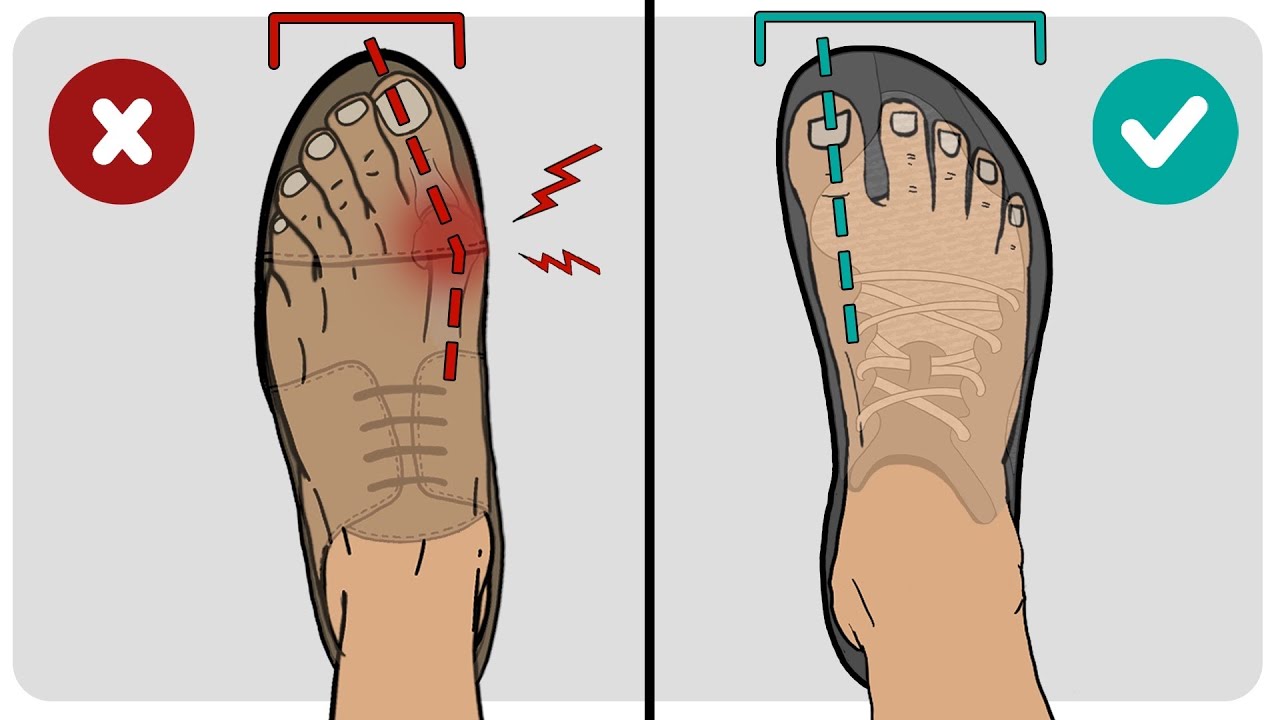
You’re five miles into the trailhead, the views are stunning, but all you can think about is your big toe. Specifically, that throbbing, bony protrusion on the side of it that feels like it’s being crushed in a vice. Bunions suck. They make finding decent footwear a nightmare, and when it comes to the rugged, stiff world of outdoor gear, the problem only gets worse. Most people think they just need a bigger size. They don't. They need a shape that actually respects human anatomy.
Finding the right hiking shoes for bunions isn't just about comfort; it's about preventing long-term foot deformities and staying on the trail for years to come. I've seen hikers give up the hobby entirely because they couldn't find a boot that didn't feel like a torture device. It shouldn't be that way.
Why Standard Hiking Boots Kill Your Feet
The traditional hiking boot is built on a "last"—that’s the foot-shaped mold used to create the shoe—that is historically narrow and tapered. Look at your foot. Now look at a standard boot. Most boots come to a point in the middle. Your foot, especially if you have a hallux valgus (the medical term for a bunion), does the exact opposite.
When you shove a bunion into a tapered toe box, you aren't just uncomfortable. You’re actively worsening the condition. The pressure pushes the big toe further toward the second toe, increasing the angle of the deformity. Over time, this leads to bursitis, calluses, and even stress fractures in the metatarsals because your foot can’t distribute weight correctly.
Honestly, the "wide" versions of many popular boots are a joke. Often, brands just add more volume to the upper material without actually widening the sole of the shoe. This means your foot still hangs over the edge of the footbed, but now it’s just covered by loose fabric. It's frustrating. You need a shoe that is wide at the forefoot but stays secure in the heel so you aren't sliding around like a marble in a box.
The Anatomy of a Bunion-Friendly Shoe
So, what are we actually looking for? It’s not just "big."
First off, let’s talk about the "FootShape" toe box. This is a concept popularized by brands like Altra. Unlike a standard shoe that squeezes the toes together, these are shaped like an actual foot. The big toe stays straight. This is a game-changer for bunion sufferers because it eliminates the lateral pressure that causes that burning sensation midway through a hike.
- Upper Material Flexibility: Leather is durable, but it’s stubborn. If you have a severe bunion, look for synthetic mesh or "split leather" that has some give. Some high-end boots, like those from Hanwag, actually feature "Bunion Lasts" where the leather is specifically punched out or softened at the big toe joint.
- Zero Drop vs. High Stack: This is where it gets tricky. Many wide-toe-box shoes are "zero drop," meaning the heel and forefoot are at the same height. For some, this is great. For others, it puts too much strain on the Achilles. If you have limited mobility in your big toe joint—which often happens with advanced bunions—you might actually want a shoe with a "rocker" sole that helps you roll through your gait without bending the toe as much.
- Midfoot Lockdown: If the front of the shoe is wide, the middle must be snug. If the whole shoe is wide, your foot will slide forward on descents, slamming your bunion into the front of the shoe. That's a recipe for a lost toenail.
Real-World Gear That Actually Works
Let’s get specific. If you go to a local REI and ask for a wide boot, they’ll probably hand you a Merrell Moab. It’s a classic, sure. But for a serious bunion? It might not cut it.
Altra Lone Peak: This is the gold standard for many thru-hikers. It’s a trail runner, not a boot, but its toe box is legendary. It’s basically shaped like a duck’s foot. If you’re carrying a light pack, this is often the best choice for bunion relief. However, be warned: the zero-drop platform requires a transition period. Don't go hike 20 miles in these on day one if you’re used to traditional boots, or your calves will scream.
Topos Athletic Trailventure: This is the middle ground. Topo shoes have the wide toe box similar to Altra, but they usually include a small "drop" (3-5mm). This takes some pressure off the calf and can be more comfortable for people with flat feet or heel pain.
Hanwag Tatra Light Bunion GTX: Yes, a boot actually named after the condition. Hanwag is a German brand that uses a specific "Bunion Last." They've literally redesigned the interior of the boot to provide more room specifically for the hallux valgus joint while keeping the rest of the fit tight. It’s expensive. It’s also one of the few ways to get a traditional, high-support leather boot that doesn't hurt.
The Role of Orthotics and Lacing
Sometimes the shoe isn't the whole story. How you tie your shoes matters more than you think.
There is a technique called "window lacing" or "box lacing." Instead of crossing the laces over the area where your bunion sits, you run them vertically through the eyelets to create a "window" of no pressure. This allows the upper material to bulge out slightly where the bunion is, rather than being pulled tight against it. It sounds simple, but it can make a $150 pair of boots feel like custom orthotics.
Speaking of orthotics, many people with bunions also deal with overpronation (the foot rolling inward). If your arch collapses, it pushes the bunion harder against the side of the shoe. A firm, aftermarket insole like Superfeet or a custom-molded orthotic can stabilize the arch. This keeps the foot in a neutral position, pulling the bunion away from the "wall" of the shoe. It’s counterintuitive—adding something to the shoe to make more room—but by controlling the foot’s movement, you often reduce the pain.
Common Misconceptions About Hiking with Foot Pain
One of the biggest myths is that you need "stiff" boots to protect your feet. While stiffness helps on jagged rocks, a stiff sole requires your toe joints to do more work if the shoe doesn't have a built-in rocker. If your bunion has led to arthritis (hallux limitus), a stiff shoe that doesn't bend at the toe is actually better, provided it has a rockered bottom. If your joint is still flexible, a softer sole might feel better.
Another mistake? Sizing up too much. People buy boots two sizes too big to accommodate the width. This is dangerous. A boot that is too long moves the "flex point" of the shoe to the wrong part of your foot. It also causes blisters because your heel isn't locked in. Always fit for the width of the bunion first, then check the heel. If the heel slips, that's not your shoe.
Expert Tips for the Trail
If you’re heading out, don't just rely on the shoes. Toe spacers—those little silicone things you wear between your big and second toe—can be worn inside wide-toe-box shoes like Altras. They help keep the joint aligned while you walk. Just don't try to wear them in narrow boots, or you'll cut off your circulation.
Lubrication is also key. Apply an anti-chafe stick or a bit of Leukotape over the bunion before you start. This reduces the friction between the skin and the shoe lining. Once a hot spot starts, it’s too late. The inflammation from the rubbing will make the bunion swell, making the shoe feel even tighter, creating a miserable feedback loop.
Actionable Next Steps
- Measure your feet at the end of the day. Your feet swell after a day of walking. If you try on hiking shoes in the morning, they’ll be too small by mile three of your hike.
- Test the "Insole Takeout." Take the insole out of the shoe and stand on it. If your bunion hangs over the edge of the foam, that shoe will never be comfortable, no matter how much you "break it in."
- Switch to wool socks. Brands like Darn Tough or Smartwool provide padding that doesn't compress like cotton. A "light cushion" sock can actually act as a buffer for the bunion.
- Try the Window Lacing technique. Before buying new boots, try re-lacing your current ones to skip the pressure point over the big toe joint.
- Look for "Last" information. When shopping online, search for brands that specifically mention a "wide forefoot" or "anatomical toe box" rather than just "wide width."
Choosing hiking shoes for bunions is a process of trial and error. What works for a thru-hiker on the Appalachian Trail might not work for someone doing weekend loops in the Rockies. Focus on the shape of the toe box and the flexibility of the upper material. Your feet will thank you when you’re standing on the summit instead of limping back to the car.