Texas is huge. Everything is bigger here, including the confusion when people try to figure out exactly who is representing them in the halls of power. If you’ve ever sat down to look up how many Texas senators are there, you might have found yourself staring at two very different numbers: 2 and 31.
Wait, what?
The truth is that both numbers are right. It just depends on whether you’re looking at the shiny dome in Austin or the big one in Washington D.C. Honestly, the way Texas structures its government is a bit of a maze, but it’s a maze worth walking through if you want to know who is actually voting on your taxes, your schools, and your rights.
The Big Two: Texas Representation in Washington
At the federal level, every state is on a level playing field. It doesn’t matter if you have 30 million people like Texas or roughly 600,000 like Wyoming. You get two spots.
So, when we talk about the U.S. Congress, there are two U.S. Senators from Texas.
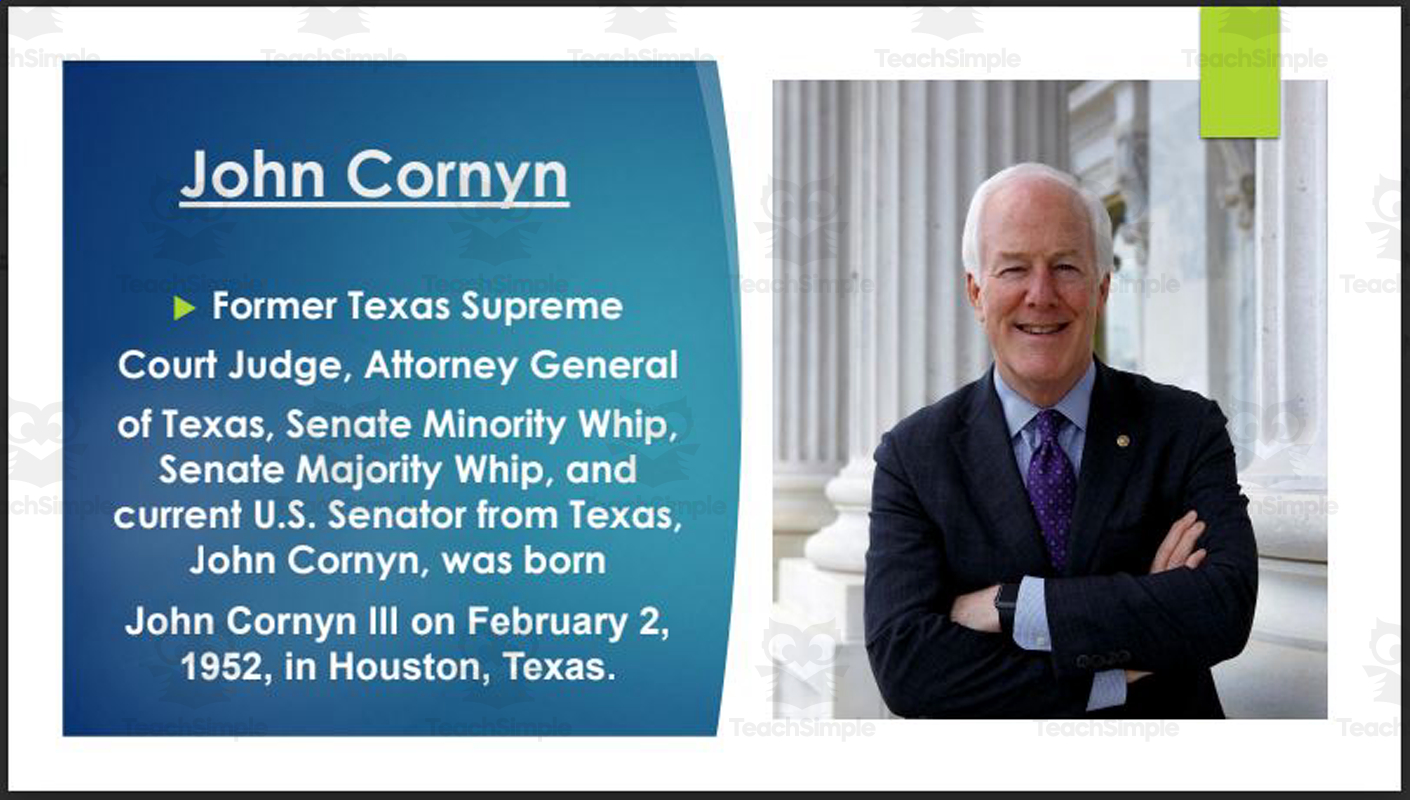
Currently, as of early 2026, those seats are held by John Cornyn and Ted Cruz. Both are Republicans, and they’ve been in those spots for a long time. Cornyn has been there since 2002, while Cruz stepped in back in 2013. But here is the kicker: 2026 is actually a massive election year for this specific role. John Cornyn’s seat is up for grabs right now.
We’re seeing a wild primary season. You've got big names like Attorney General Ken Paxton and Representative Wesley Hunt challenging Cornyn from within his own party. On the Democratic side, figures like Jasmine Crockett and James Talarico are making waves. It’s one of the most-watched races in the entire country because the outcome basically dictates how much influence Texas has on the national stage for the next six years.
The Local Powerhouse: The 31 State Senators
Now, if you pivot your gaze away from D.C. and look toward the Texas State Capitol in Austin, the math changes completely. There are 31 Texas State Senators.
These 31 people make up the Texas Senate, which is the "upper house" of our state legislature. While the U.S. Senators worry about foreign policy and federal judges, these 31 people are the ones deciding on things that hit closer to home, like the state budget, border security funding, and how your local school district is managed.
Each one of these senators represents about 950,000 people. To put that in perspective, a Texas State Senator actually represents more people than a member of the U.S. House of Representatives does. That’s a massive amount of power concentrated in just 31 seats.
How the State Senate Breaks Down
Right now, the Texas Senate is leaning pretty heavily to the right. As we move through the 2026 cycle, there are 20 Republicans and 11 Democrats. It’s not a perfect balance, and it’s been that way for a while.
What’s interesting is how they get elected. They serve four-year terms, but they don't all run at the same time. They use a "staggered" system. Every ten years, after the census, everyone has to run. After that, they literally draw lots to see who gets a two-year term and who gets a four-year term to get the staggering back on track.
In the 2026 midterms, 16 of these 31 seats are on the ballot. That’s more than half the chamber. If you live in a district with an election this year, your vote is basically a deciding factor in whether the current Republican majority stays rock-solid or if Democrats can chip away at it.
Why the Number Matters More Than You Think
You might be wondering, "Why does it matter if there are 31 or 300?"
Small numbers mean more influence for each individual. In the Texas State House, there are 150 members. It's easy for a single voice to get lost in that crowd. But in a room of only 31 people, every single senator has a huge amount of leverage. They can block bills, they can filibuster (who could forget Wendy Davis's 11-hour run in her pink sneakers?), and they have a direct line to the Lieutenant Governor, who actually runs the show in the Senate.
The Lieutenant Governor isn't just a backup. In Texas, the Lt. Governor is often considered the most powerful politician in the state—even more than the Governor in some ways—because they decide which bills even get a chance to be voted on in the Senate.
Keeping Track of Who Is Who
If you’re trying to figure out which of these senators actually works for you, you've gotta check your specific district.
- For the U.S. Senate: Both John Cornyn and Ted Cruz represent the entire state. You can call either of their offices regardless of whether you live in El Paso or Beaumont.
- For the Texas State Senate: You live in one of the 31 districts.
Most people don't know their state district number off the top of their head. Honestly, why would you? But if you look at your voter registration card or use the "Who Represents Me" tool on the Texas Legislature website, you'll find a name you might not recognize. That person is one of the 31.
What to Watch for in 2026
Since we are in the middle of an election year, the answer to how many Texas senators are there is about to get a lot of names attached to it.
On the federal side, keep an eye on the November 3, 2026, general election. If Cornyn loses his primary, we could see a totally new face in Washington for the first time in over two decades. If a Democrat wins the seat—which hasn't happened in Texas since the 90s—it would be a political earthquake.
On the state side, the 16 seats up for election will determine the "flavor" of the 90th Texas Legislature. We’re seeing a lot of movement in districts around the "Texas Triangle" (Dallas-Houston-Austin/San Antonio) where populations are exploding and political leanings are shifting.
Practical Steps for Texas Voters
If you want to be more than just a spectator in this process, here is what you actually need to do:
- Verify your registration: The deadline to register for the 2026 primaries has already passed if you're reading this in late January, but you still have time for the general election.
- Identify your district: Use the Texas Tribune’s representative lookup tool. It’s way faster than the official government sites.
- Check the 16: See if your State Senator is one of the 16 up for re-election this year. If they are, look at their voting record on the Texas Senate website. They track every "yea" and "nay."
- Follow the money: In Texas politics, money talks. Websites like Transparency USA show you who is funding these 31 state senators and the 2 federal ones.
The math of Texas politics isn't just about numbers; it's about representation. Whether it's the 2 people representing us in the nation's capital or the 31 people debating in Austin, these are the individuals shaping the future of the Lone Star State. Knowing who they are—and how many of them there are—is the first step in making sure they’re actually doing what you want them to do.
To stay updated on the specific candidates running for the 16 open state seats and the 1 federal seat this year, you should monitor the Texas Secretary of State's official candidate filings page. Check your local county elections office for specific polling locations and sample ballots as the March primary approaches.