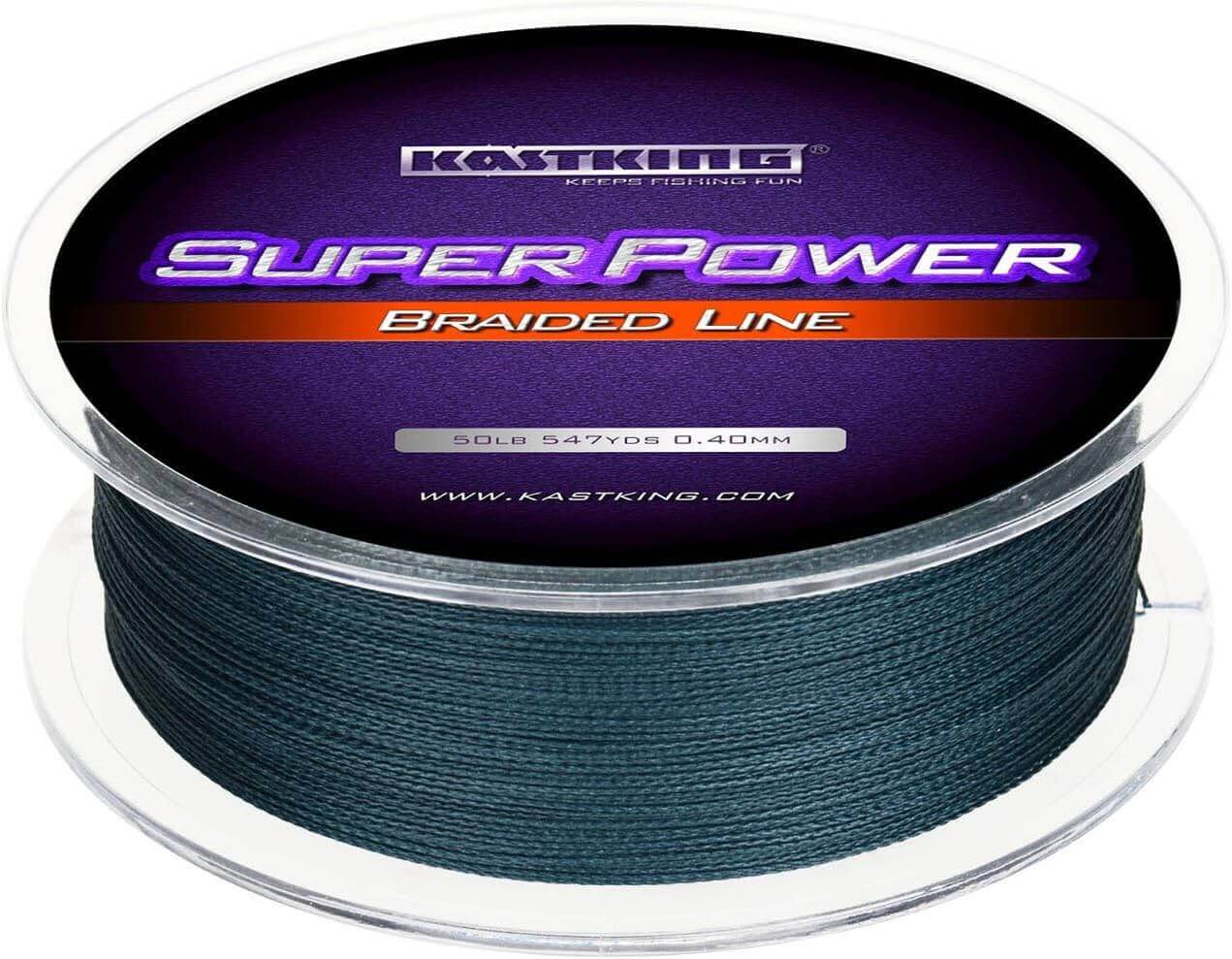
You finally bought that high-end 8-strand braid. It feels like silk. It’s strong enough to pull a car out of a ditch, and you can’t wait to feel every tiny pebble on the lake bottom. But then you realize something. If you just tie that slick polyethylene fiber directly to the spool and start cranking, you’re basically setting yourself up for a massive headache.
Braid is slippery. Honestly, it’s basically glorified dental floss with zero "bite" on a smooth metal surface.
Learning how to spool braided line on a spinning reel isn't just about getting the string onto the spool. It’s about tension, friction, and preventing the dreaded "line slip." If you get this wrong, you'll set the hook on a fish, your drag will scream, but the spool won't actually be turning—the entire nest of line will just be spinning around the arbor like a hula hoop. It’s a nightmare. I’ve seen grown men throw their setups into the brush because of a bad spooling job. Let’s make sure that isn't you.
The Friction Problem Most People Ignore
Why is braid so weird? Unlike monofilament, which has a bit of "stretch" and a natural tackiness that grips the spool, braided lines like PowerPro or Seaguar Smackdown are made of woven fibers. These fibers don't stretch. They don't grip.
If you tie a Uni-knot with braid onto a bare spool, it’s going to slide. You’ll think your drag is broken. You’ll tighten the knob all the way down, and the line will still pull out with zero resistance. To fix this, you need a "backer" or a "tack."
The Electrical Tape Hack
Some guys swear by a tiny piece of black electrical tape. You wrap the arbor once with a thin strip of tape, tie your braid over it, and the tape provides just enough squish for the line to dig in. It works. But, honestly, it’s a bit janky. Over time, the adhesive on that tape can get gooey, especially if you’re fishing in the Florida heat or leaving your gear in a hot truck.
The Mono Backing Method
This is the gold standard. You start by putting about 10 to 20 yards of cheap monofilament onto the spool first. Monofilament grips the metal arbor perfectly. Then, you use a Double Uni-knot or an Alberto knot to join that mono to your expensive braid.
This does two things. First, it stops the slipping. Second, it saves you money. Why waste 200 yards of $30 braid to fill the bottom of a deep spool where no fish will ever reach? Fill the "filler" space with 12lb mono and top it off with the good stuff.
Step-by-Step: How to Spool Braided Line on a Spinning Reel Properly
First, run your line through the first guide—the big one closest to the reel. This keeps everything aligned. If you skip this, you’ll end up with a weird angle that causes the line to stack unevenly.
- Open the bail. Seriously. Don't forget this. If you tie your knot and realize the bail is closed, you have to cut the line and start over. It’s a rite of passage, but try to avoid it.
- Tie your backing. If you’re using the mono backing method, tie the mono to the spool arbor using an Arbor Knot. Snug it down.
- Connect the braid. Use an Alberto knot. It’s slimmer than a Double Uni and flies through the guides easier.
- The Tension Secret. This is where 90% of anglers fail. Braid must be put on tight. If it’s loose, the top layers will "dig in" to the bottom layers when you're fighting a fish, creating a knot that you can't cast out.
I usually hold the line with a wet rag between my thumb and forefinger about a foot above the reel. If your fingers aren't getting a little warm from the friction, you aren't holding it tight enough. Use a glove if you have soft hands. Braid can and will cut you like a razor blade if you aren't careful.
The "Label Up" Myth
You’ve probably heard that the supply spool should be face-up on the floor so the line twists off. For spinning reels, that’s usually true, but braid is different. It doesn't have "memory" like mono. Still, the best way to do it is to put a screwdriver through the middle of the supply spool and have a friend hold it, or use a dedicated spooling station. The line should come off the top of the supply spool and go onto the top of the spinning reel spool.
Managing the "Line Twist" Ghost
Spinning reels are notorious for line twist. It’s the nature of the beast. The bail wraps the line in a circle, which inherently adds a bit of twist with every rotation.
Watch the line as it goes onto the reel. If you see it starting to spiral or "corkscrew" before it even hits the guides, flip the supply spool over. Honestly, braid is pretty forgiving with twist compared to fluorocarbon, but you still want to be mindful.
One trick I learned from a charter captain in Venice, Louisiana: once you’re done spooling, if you’re on a boat, let the line out behind the boat (with no lure) while you’re idling. The water tension pulls all the twists out naturally. Then just crank it back in. It’ll be perfectly laid and tight.
How Much Line is Too Much?
Don't overfill it.
You see people fill their spools right up to the very edge of the lip. Don't do that. With braid, you want to leave about an 1/8th of an inch of the spool lip showing. If you overfill, the line will literally jump off the spool in "clumps" during a cast, leading to the infamous "wind knot."
Wind knots aren't actually caused by wind. They are caused by loose loops of line slipping off the spool and catching the line that is flying out behind them. If your line is spooled tight and you haven't overfilled the arbor, wind knots almost disappear.
Real-World Nuance: 4-Strand vs. 8-Strand
When you're figuring out how to spool braided line on a spinning reel, consider what kind of braid you have.
- 4-Strand (like original PowerPro): It’s rougher. It sounds like a saw going through your guides. But, it’s incredibly abrasion-resistant. It "bites" into the spool better.
- 8-Strand (like Daiwa J-Braid x8): It’s rounder, smoother, and casts a mile. It’s also slipperier. If you’re using 8-strand or the newer 12-strand lines, the mono backing is not optional—it’s mandatory.
Pro Tips for Longevity
Braid lasts forever. Seriously. I have reels that haven't been re-spooled in three years. But the sun is your enemy. UV rays eventually degrade the dyes and the fibers. If your bright green line is now a dusty white, it’s losing strength.
Also, here is a secret: Braid only gets used on the top 50 yards. If your line is looking ragged, don't throw it away. Take an empty reel and spool the "old" line onto it. Now, the fresh, never-seen-the-sun line that was at the bottom of the spool is now on top. It’s like getting a brand new spool of line for free.
Essential Checklist for Success
- Check the spool lip: Ensure there are no nicks or scratches on the metal. Braid will catch on the tiniest burr and fray.
- Wet the line: Some pros like to soak the supply spool in a bucket of water for 10 minutes before spooling. It helps the knots seat better and reduces heat during the spooling process.
- Use a "Line Slick": Products like Kevin VanDam’s Line & Lure Conditioner actually work on braid. It helps it fly off the spool and reduces that "braid scream" on the retrieve.
- Verify the drag: Once you're done, pull some line out by hand. It should be smooth. If it jerks or pulses, your line is buried in itself and you need to pull it out and re-crank it with more tension.
Learning the right way to set up your gear is the difference between a relaxing day on the water and a frustrating afternoon spent untangling a "bird's nest." Take your time. Keep it tight. Use a backer.
Immediate Next Steps
Check your spinning reel right now. If the line looks "spongy" when you press your thumb against it, it’s too loose. Take it to a local park, tie the end of the line to a fence post, walk off about 60 yards, and then walk back while winding it on under heavy pressure. That simple move will probably double your casting distance and stop 90% of your future tangles.