When you look back at the mess that was the Vietnam War, one name always sticks out like a sore thumb: Ngo Dinh Diem. He wasn’t just a politician; he was the guy the United States essentially bet the house on in the 1950s. Honestly, if you’re trying to understand why Southeast Asia looks the way it does today, you’ve gotta understand Diem. He was the first president of South Vietnam, a devout Catholic in a mostly Buddhist country, and a man who somehow managed to be both a staunch anti-communist and a massive headache for the Americans who were paying his bills.
It’s easy to paint him as a simple "U.S. puppet," but that’s actually pretty far from the truth. Diem was complicated. He was stubborn as a mule. He had this vision for a "Third Way" for Vietnam that wasn't colonial or communist. But as history shows, having a vision and actually running a country in the middle of a civil war are two very different things.
The Rise of the "Miracle Man" of Southeast Asia
Before everything went south, Ngo Dinh Diem was actually seen as a bit of a savior. After the French got kicked out in 1954, Vietnam was split in two. The North went to Ho Chi Minh and the communists, while the South was a chaotic mess of religious sects, private armies, and leftover colonial drama.
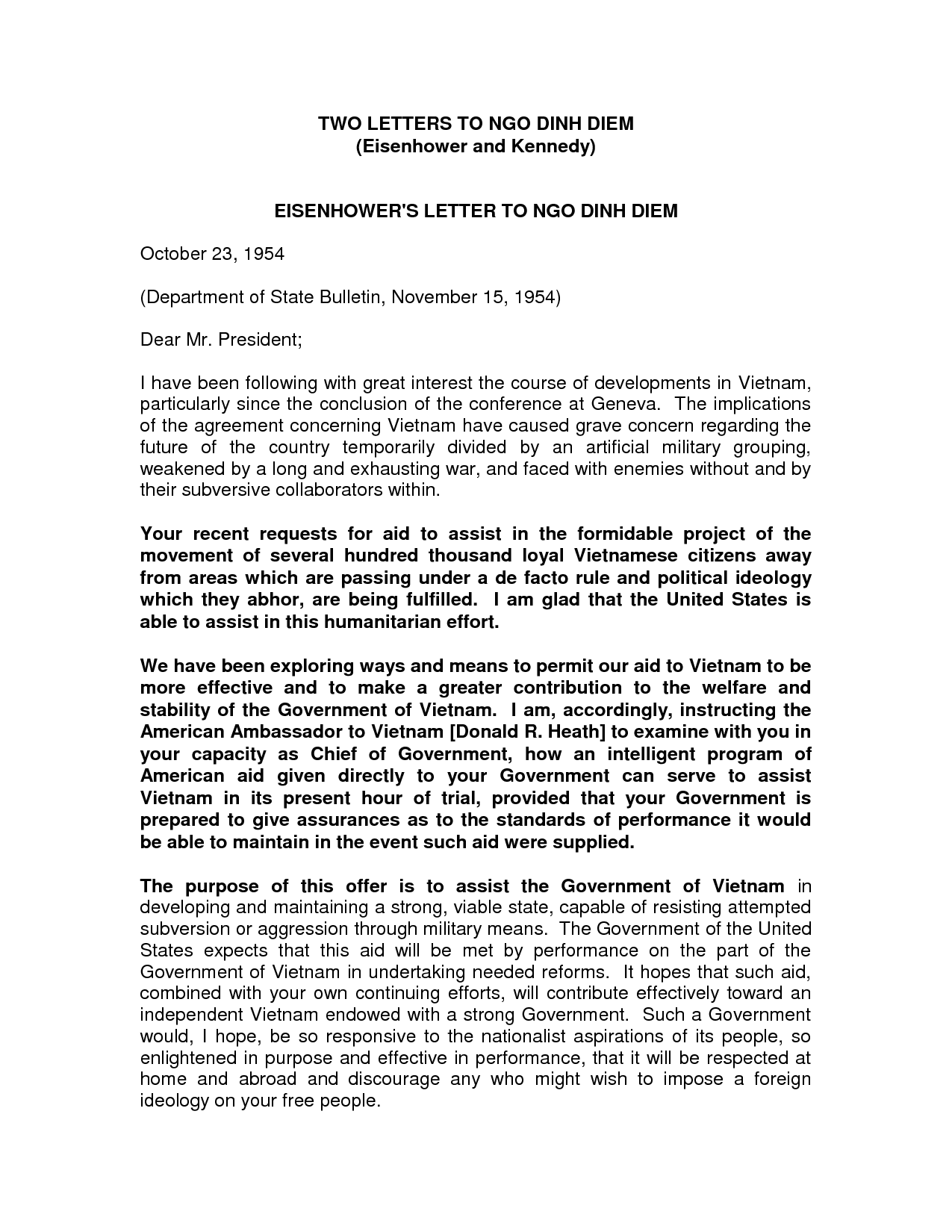
Diem stepped into this vacuum. He was a high-ranking "mandarin" from a noble family, known for being incorruptible and deeply religious. He spent time in the U.S. in the early 50s, staying at Maryknoll seminaries and rubbing elbows with powerful people like John F. Kennedy (who was just a senator then) and Cardinal Francis Spellman. They saw him as the "Washington of Vietnam."
In 1955, he pulled off a referendum that officially ousted Emperor Bao Dai. Now, "pulled off" is a polite way of saying he rigged the hell out of it. In Saigon, he somehow got 605,025 votes despite only having 450,000 registered voters. The Americans told him to maybe tone it down and claim 70%, but Diem was like, "Nah, let's go with 98%." That kind of tells you everything you need to know about his management style.
The Family Business: Ruling with Nhu and Madame Nhu
You can't talk about Ngo Dinh Diem without talking about his family. He never married, so he relied heavily on his brother, Ngo Dinh Nhu, and Nhu's wife, the infamous Madame Nhu.
Basically, Nhu ran the secret police (the Can Lao Party) and was the "intellectual" behind their ideology called Personalism. It was this weird mix of Catholic philosophy and Confucianism that most Vietnamese peasants found totally confusing. While Diem was the face of the regime, Nhu was the muscle in the shadows.
Then there was Madame Nhu. She was the "First Lady" of the South and had a tongue like a razor. She’s the one who eventually helped sink the regime by making some of the most tone-deaf comments in history during the Buddhist crisis. She famously referred to self-immolating monks as "barbecues." Yeah, not exactly a PR win.
Why the Strategic Hamlet Program Failed
The big plan to stop the communists was something called the Strategic Hamlet Program, launched in 1962. The idea was simple: move peasants into fortified villages to protect them from the Viet Cong.
In reality? It was a disaster.
- Peasants were forced to leave their ancestral lands and graves, which is a huge deal in Vietnamese culture.
- They often had to build the fences and moats themselves without pay.
- The Viet Cong just infiltrated the hamlets anyway.
Instead of making people love the government, it just made them resent Diem even more. It’s one of those classic examples of "nation-building" looking great on a map in Washington but failing miserably on the ground in the Mekong Delta.
The 1963 Buddhist Crisis and the Point of No Return
Things finally boiled over in May 1963. It started in Hue, the old imperial capital. The government banned the flying of Buddhist flags on the Buddha’s birthday, even though they had just allowed Catholic flags to be flown for a church anniversary.
Protests broke out. The military opened fire. Nine people died.
Instead of apologizing, Diem doubled down. He claimed the Viet Cong were behind the protests. This led to the most iconic—and horrific—image of the era: the monk Thich Quang Duc sitting in the middle of a Saigon intersection, calmly burning to death in protest.
The U.S. was horrified. President Kennedy famously said, "No news picture in history has generated so much emotion around the world as that one." At that point, the Kennedy administration realized that as long as Diem and his brother Nhu were in charge, they were never going to win the hearts and minds of the people.
The Final Act: The Coup and Assassination
By late 1963, the CIA was already talking to disgruntled South Vietnamese generals. The "Green Light" was given. On November 1, 1963, the generals launched their coup.
Diem and Nhu escaped the palace through a secret tunnel and hid out in a church in Cho Lon (Saigon's Chinatown). They eventually surrendered, thinking they’d be allowed to go into exile.
They weren't.
They were shoved into the back of an M113 armored personnel carrier and murdered on the way to military headquarters. Diem was shot and Nhu was stabbed multiple times. When Kennedy heard the news in Washington, he reportedly turned pale and rushed out of the room. He was assassinated himself just three weeks later.
What Most People Get Wrong About Diem
A lot of folks think Diem was just a failure from day one. But for the first few years (1954–1959), he actually did a decent job of stabilizing a country that everyone thought was going to collapse. He resettled nearly a million refugees from the North and built up the economy.
The real tragedy of Ngo Dinh Diem is that he was a man out of time. He tried to rule a 20th-century country like a 19th-century emperor. He didn't trust anyone outside his family, and he didn't understand that you can't force a population to support you through secret police and "re-education."
What to Look for if You're Researching This Further
If you want to get the real story, don't just stick to the standard textbooks. Look into these specific areas to get the full picture:
- The Pentagon Papers: Read the sections on 1963 to see the internal memos where U.S. officials debated whether or not to "pull the plug" on Diem.
- Edward Lansdale's Memoirs: He was the CIA officer who was closest to Diem. His writings give a much more human perspective on the man before the paranoia set in.
- The "Double Assassination" Context: Research how the deaths of both Diem and JFK within the same month completely changed the trajectory of the war. Many historians argue that if Diem had lived (or if JFK had lived), the U.S. might not have sent 500,000 ground troops in 1965.
To truly grasp the legacy of South Vietnam, you should compare the stability of the Diem era with the revolving door of military juntas that followed him. It turns out that getting rid of the "dictator" didn't actually make things any easier for the U.S. or the people of Vietnam.