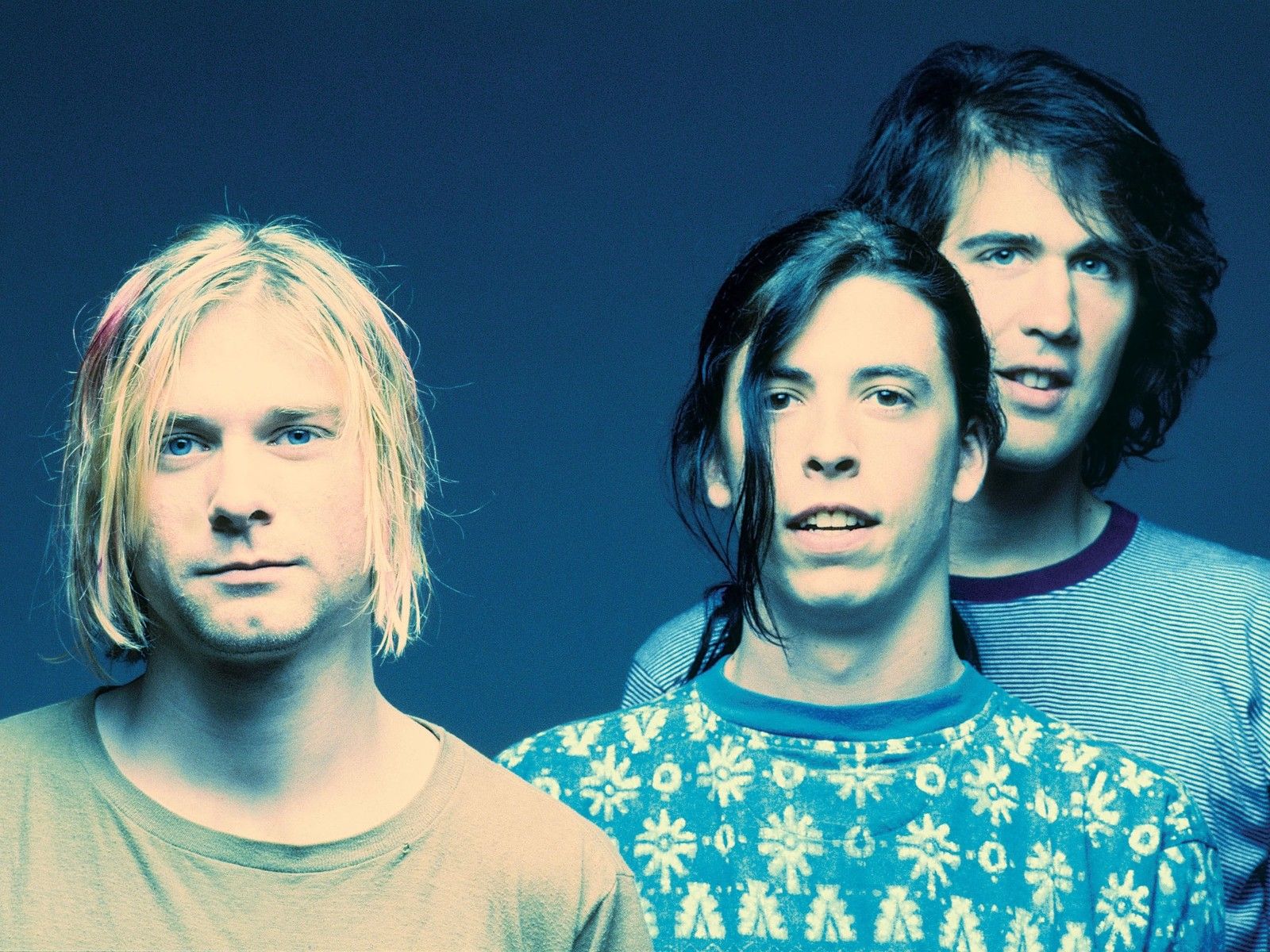
You know the image. Kurt Cobain’s messy hair, Krist Novoselic’s towering frame, and Dave Grohl’s blurred drumsticks. It’s the visual shorthand for an entire decade. But honestly, the way people talk about the band members of Nirvana usually stops at the tragedy. We treat them like museum exhibits. We forget they were just a bunch of loud, awkward guys from the rainy Pacific Northwest who had no clue they were about to break the world.
They weren't just a "grunge" band. They were a collision of personalities that shouldn't have worked, but somehow did, for a very short, very loud window of time.
The Core Trio That Changed Everything
When most fans think of the band members of Nirvana, they see the Nevermind lineup. That’s the definitive one. You’ve got Kurt on guitar and vocals, Krist on bass, and Dave on drums. But getting to that point was a total mess.
Kurt Cobain was the obvious center of gravity. He was a paradox. He'd spend hours obsessing over a single pop melody and then pretend he didn't care about success at all. He grew up in Aberdeen, Washington, a place he basically loathed. It was a logging town. Rough. Not exactly a playground for a sensitive kid who liked punk rock and oil painting. Kurt’s songwriting wasn't just "angst." It was a sophisticated blend of The Beatles' tunefulness and the raw, abrasive power of bands like The Melvins or Scratch Acid.
Then there’s Krist Novoselic. He’s the most underrated part of the machine. At 6'7", he stood like a lighthouse on stage. He and Kurt were the only constants. They bonded over a shared love for the Melvins and a mutual feeling of being outsiders in their own hometown. Krist’s bass playing wasn't flashy, but it was melodic. Think about the intro to "Lounge Act." That’s all Krist. He provided the steady, grounded foundation that allowed Kurt to spiral out into feedback and chaos. Without Krist, Nirvana would have probably just burned out in a basement in 1987.
The Drummer Carousel Before Dave Grohl
People forget that Dave Grohl wasn't the first drummer. He wasn't even the fifth. The search for a permanent drummer was basically a long-running joke within the band.
- Aaron Burckhard: The original. He played the early house parties. He didn't really have the drive the others did.
- Dale Crover: Borrowed from The Melvins. He played on the Bleach sessions and basically taught Kurt what a heavy drum sound should actually feel like.
- Dave Foster: He lasted about five seconds. He had some legal trouble that made touring impossible.
- Chad Channing: This is the big one. Chad played on Bleach. He was a good drummer, but his style was a bit too "jazzy" or light for where Kurt wanted to go. Kurt wanted a "heavy hitter." Someone who would literally break the drums.
Enter Dave Grohl in 1990. He was playing in a hardcore band called Scream. When that band fell apart in LA, Dave headed north. Krist later said that within two minutes of Dave sitting behind the kit, they knew. That was it. The search was over. Dave hit the drums so hard he actually made them louder than the amplifiers. It changed the physical energy of the band overnight.
Pat Smear and the Expansion of the Sound
By 1993, the band members of Nirvana realized they needed more layers. Kurt was tired of being the only guitar player. He wanted to focus more on singing and felt the live sound was too thin.
They hired Pat Smear.
Pat was a legend in his own right, coming from the seminal punk band The Germs. He brought a sense of joy back to a band that was increasingly under the weight of massive fame and Kurt’s declining health. If you watch the MTV Unplugged performance, Pat is right there, blending in perfectly. He wasn't a "session guy." He became a brother to them. He added a thickness to the In Utero tour that made those songs sound like a tectonic plate shifting.
The Dynamics Nobody Talks About
It wasn’t always "Smells Like Teen Spirit" and world tours. Most of their existence was spent in a van that smelled like old corn dogs.
They were remarkably funny. If you watch old interviews, they’re constantly cracking jokes, mostly at their own expense. They hated the "spokesmen of a generation" tag. Kurt, especially, felt like a fraud for being a millionaire while singing about being a "negative creep."
The tension wasn't necessarily between the members, but between the band and the industry. They were punk kids who suddenly had to deal with corporate lawyers and stadium security. Krist became the unofficial diplomat. He’d deal with the business side while Kurt retreated. Dave was the high-energy kid who just wanted to play. This dynamic kept them afloat during the Nevermind explosion, but by 1994, the pressure was cracking the foundation.
The Legacy of the Individual Members
Nirvana ended on April 8, 1994. We all know how. But the surviving band members of Nirvana didn't just fade away.
Dave Grohl, obviously, became one of the biggest rock stars on the planet with Foo Fighters. It’s almost impossible to reconcile the skinny, long-haired kid behind the Nirvana kit with the stadium-filling frontman he is today. But that work ethic started in Nirvana. He spent the months after Kurt's death in a daze before realizing he had to keep making noise just to stay sane.
Krist Novoselic took a different path. He dabbled in music with bands like Sweet 75 and Eyes Adrift, but his real passion became political activism and farming. He worked on voting reform in Washington state. He’s still that same guy—highly intelligent, slightly eccentric, and fiercely independent. He doesn't chase the spotlight. He’s content being the guy who helped change the world and then went home to his accordion and his books.
Pat Smear eventually joined Dave in the Foo Fighters. He remains the coolest guy in any room he enters.
Why the Lineup Still Matters in 2026
We’re decades removed from the height of grunge, yet Nirvana remains the entry point for almost every kid who picks up a guitar. It’s because the chemistry between these specific individuals was lightning in a bottle. You can't manufacture it.
They represented a rejection of the 1980s excess. No hairspray. No leather pants. Just three guys in thrift store clothes playing music that felt honest.
Actionable Insights for Fans and Musicians
If you're looking to understand the "Nirvana sound" or their history better, don't just stick to the Greatest Hits.
- Listen to "With the Lights Out": This box set is a masterclass in the band's evolution. You can hear the different drummers and the rough sketches of songs that would become anthems.
- Watch 'Live at Reading' (1992): This is the definitive document of the trio at their peak. It shows the raw, unpolished power of the Cobain/Novoselic/Grohl lineup.
- Study the Bass Lines: If you're a musician, stop ignoring Krist. Songs like "Sliver" or "Blew" show how his melodic sensibility carried the tunes while Kurt was experimenting with noise.
- Check out 'The Year Punk Broke': This documentary gives you a real sense of their personalities before they were global icons. It captures the humor and the boredom of touring.
The story of the band members of Nirvana isn't just a tragedy. It’s a story about friendship, incredibly loud drums, and the weird, accidental magic that happens when the right people find each other in a basement at the right time. They weren't gods. They were just a band. And that's exactly why they still matter.