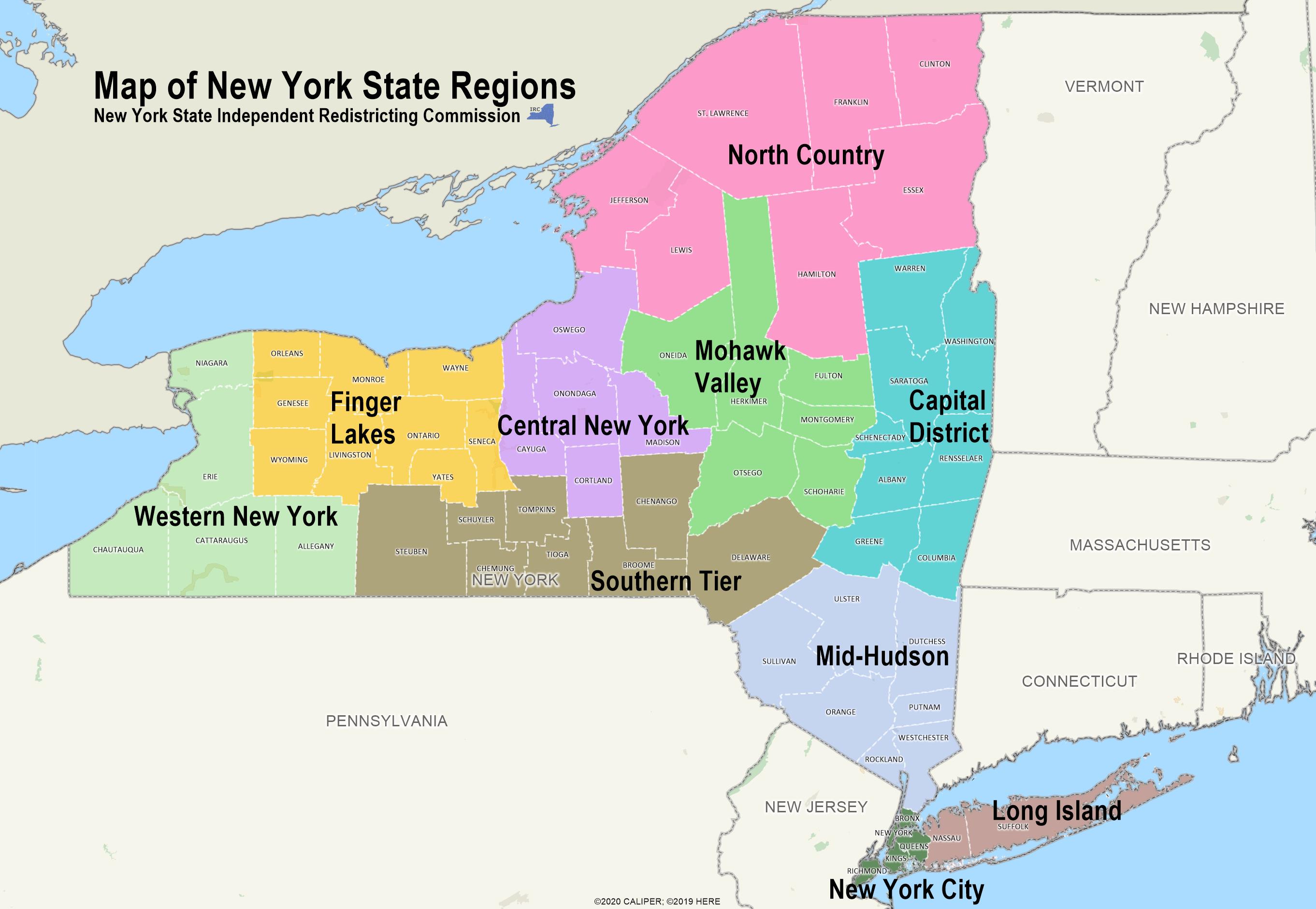
If you've ever looked at a NY congressional district map and thought it looked like a Rorschach test designed by a caffeinated spider, you aren't alone. Honestly, New York’s borders have been a mess for years. We’ve seen court battles, "special masters" flown in from out of state, and enough political drama to fill a decade of Netflix specials.
But as of right now, we finally have some stability.
On February 28, 2024, Governor Kathy Hochul signed off on the lines that are currently in effect. These are the boundaries that decided the 2024 elections and—unless another lawsuit surprises everyone—will stay exactly where they are for the 2026 midterms. Basically, the map you see today is the map you’re stuck with for a while. It’s the result of a wild back-and-forth between a bipartisan commission and a Democrat-led legislature that really wanted the final word.
Why the NY Congressional District Map Kept Changing
Most states draw a map once every ten years after the Census. Simple, right? Not in New York. We managed to have three different maps in roughly three years.
It started with the 2020 Census. New York lost one seat because the population didn’t grow as fast as other states. We went from 27 districts down to 26. Then the Independent Redistricting Commission (IRC), which was supposed to be "bipartisan," basically threw up its hands and said, "We can't agree on anything."
Because the commission failed, the state legislature stepped in and drew a map that was... well, it was aggressive. Republicans sued, calling it a partisan gerrymander. The state’s highest court agreed and threw it out. This led to a "Special Master" named Jonathan Cervas drawing a neutral map for the 2022 elections.
Democrats hated that map. They sued again, arguing the IRC should have been forced to finish its job. In late 2023, the Court of Appeals (now with a slightly more liberal leaning) ordered a redo. The final result is the NY congressional district map we use now. It’s a bit of a compromise, but it definitely tilts the scales in a few key areas.
Who is Running Where?
The new lines didn’t just change shapes on a screen; they changed who represents you. Some incumbents found themselves in much friendlier territory, while others are fighting for their political lives.
The Long Island Shuffle
Districts 1 through 4 cover Long Island. District 3, currently held by Tom Suozzi, was tweaked to be a bit more Democratic-leaning after the 2024 special election. Meanwhile, District 4 remains one of the most watched "toss-up" areas in the entire country. Laura Gillen won this seat back for the Democrats in 2024, but the margins are razor-thin. If you live in Nassau County, your neighbor across the street might literally be in a different political universe.
The Hudson Valley Battleground
Districts 17, 18, and 19 are where the real fireworks happen. Pat Ryan (D-18) managed to hold onto a seat that Republicans desperately wanted. On the flip side, Mike Lawler (R-17) has become a major national figure by holding a blue-leaning district in Westchester and Rockland. The map here is tight. A shift of a few blocks in a town like Poughkeepsie can change the math for the entire state.
Upstate and Western New York
Up north, Elise Stefanik (R-21) sits in a massive, deep-red district that covers a huge chunk of the Adirondacks. It’s geographically the largest in the state. Out west, District 26 (Buffalo/Niagara Falls) remains a Democratic stronghold, recently seeing Tim Kennedy take the reins. District 22, centered around Syracuse, was one of the few spots where the map was actually made more competitive, leading to John Mannion flipping it for the Democrats in 2024.
Key Changes You Might Have Missed
It's easy to miss the small stuff. The 2024 map didn't just move lines; it "cleaned up" some communities of interest.
- Syracuse and Utica: These areas were bridged in ways that helped Democrats consolidate votes in the 22nd District.
- The Bronx and Westchester: George Latimer’s 16th District saw some shifts during the 2024 primary season that made the district more suburban-focused.
- Capital Region: Paul Tonko’s 20th District remains largely centered on Albany, Saratoga Springs, and Troy, keeping the "Tech Valley" core together.
Honestly, the map we have now is a "mild" version of what the legislature originally wanted. They could have been much more aggressive, but they didn't want to risk another court battle that might have sent the whole process back to a Special Master. It was a game of political chicken. The legislature blinked just enough to keep the courts away.
What This Means for 2026
Control of the U.S. House of Representatives often runs right through the Empire State. In 2022, Republicans overperformed here, which is a big reason they took the majority back then. In 2024, Democrats fought back, helped slightly by the favorable tweaks in the NY congressional district map.
For 2026, expect the following:
- Massive Spending: Because New York has so many "purple" districts, you’re going to see a flood of TV ads.
- Focus on the Suburbs: The map is won or lost in the "doughnut" around NYC—places like Smithtown, Levittown, and Yonkers.
- Legal Watch: While the map is "settled," there are always fringe lawsuits. Don't be shocked if a random filing tries to challenge a specific border in Queens or Brooklyn.
How to Check Your Own District
If you aren't sure where you land on the NY congressional district map, don't just guess. Boundaries often follow weird paths—sometimes cutting right through a single park or a shopping center.
- Go to the New York State Board of Elections website.
- Use their "Find Your Representative" tool.
- Enter your specific zip code and street address.
- Check your voter registration card; it usually lists your Congressional District (CD) number.
Knowing your district is the only way to know which names will actually show up on your ballot. With the 2026 primary season approaching faster than most people realize, it’s worth a five-minute check.
Actionable Next Steps
- Verify Your Registration: Use the NYS Voter Look-up tool to ensure your address is current. If you moved recently, your district likely changed.
- Locate Your Representative: Visit House.gov and enter your zip code. This tells you exactly who is making decisions for you in D.C. right now.
- Mark the Calendar: 2026 is a midterm year. New York primaries usually happen in June. That’s when the "real" map-based battles start.
The lines are drawn. The players are on the field. Now it’s just a matter of who shows up to the polls.