Walk into any old neighborhood and the tallest thing you'll see is probably a steeple. Most people just walk past these buildings every day without a second thought, but honestly, every single stone and window is doing a specific job. If you’ve ever sat in a wooden pew wondering why the ceiling is so high or why the priest stands in a specific spot, you're tapping into centuries of architectural psychology. It’s not just about aesthetics.
The parts of a church building are basically a physical map of a specific set of beliefs. They weren't just "built"; they were engineered to make you feel small so that something else could feel big. Whether you’re a history buff, a curious traveler, or someone trying to understand the liturgy better, knowing the layout changes the way you see these spaces.
The Narthex is Basically a Decompression Chamber
Think of the narthex as the lobby, but with more gravity. Historically, this was the place where people who weren't yet fully "in" the church would hang out. It’s the transitional space between the noisy, messy street and the quiet of the sanctuary. You’ve probably noticed it feels a bit cramped compared to the rest of the building. That’s intentional. It’s meant to make the transition into the main hall feel like an explosion of space.
In many older traditions, this was where the unbaptized would stand. They could hear the service through the doors but weren't quite allowed in the main room yet. Today, it’s mostly where you find the guest book or where people linger to chat after the service, but its architectural purpose remains the same: a buffer zone.
The Nave and Why You’re Sitting in a Boat
Ever looked up at the ceiling of a grand cathedral and thought it looked like the inside of a ship? You aren't imagining things. The word nave actually comes from the Latin navis, which means ship. The idea is that the church is a vessel carrying the people through the "storms" of life. It’s the main body of the building where the congregation sits.
In many medieval European churches, the nave was a public square. People didn't always sit in neat rows of pews—those are actually a relatively late addition, mostly popularized during the Reformation when sermons got longer and people got tired of standing. Before that, the nave was often an open space where people might even bring their dogs or conduct business. The long, narrow shape of the nave is designed to pull your eyes forward, toward the front of the building. It creates a "pathway" feeling.
The Transepts Make the Cross
If you look at a church from a bird's-eye view, most traditional ones are shaped like a cross. The "arms" of that cross are called the transepts. These are the wings that stick out to the sides. They aren't just for the shape, though. Practically speaking, they allow more people to sit closer to the action at the front.
The Sanctuary: Where the Action Happens
At the end of the nave, you usually hit a set of steps or a rail. This is the sanctuary. It’s the "holy" area. In many traditions, this area is elevated. Why? Visibility, mostly. But also to symbolize a mountain or a higher plane.
Within the sanctuary, you’ve got the heavy hitters of church architecture:
- The Altar: This is the table at the center. In some churches, it's a massive stone slab; in others, it's a simple wooden table. It represents the "Lord's Table" or a place of sacrifice.
- The Pulpit and Lectern: People often mix these up. Usually, the lectern is on the right (if you're looking at the front) and is used for reading scripture. The pulpit is often on the left, usually higher up, and is reserved for the sermon.
- The Chancel: This is the space around the altar, often where the choir or the clergy sit.
One thing most people miss is the Ambo. In some modern designs, the pulpit and lectern are combined into one big stand called an ambo. It’s basically the "command center" for the speaking parts of the service.
That Little Room in the Back: The Sacristy
If you've ever seen a priest or minister vanish through a side door, they’re going to the sacristy. This is the "backstage" of the church. It’s where the vestments (the fancy robes) are kept and where the communion bread and wine are prepared. It’s usually strictly functional—lots of cabinets, a sink, and maybe a mirror for straightening a collar.
There’s actually a special sink in many sacristies called a piscina. It doesn't drain into the sewer system like a normal sink. Instead, it drains directly into the ground. This is used for disposing of holy water or wine so that "consecrated" elements don't end up in the city pipes. It’s a tiny detail, but it shows how seriously the architecture treats the theology of the space.
The Steeple and the Spire: More Than Just Decoration
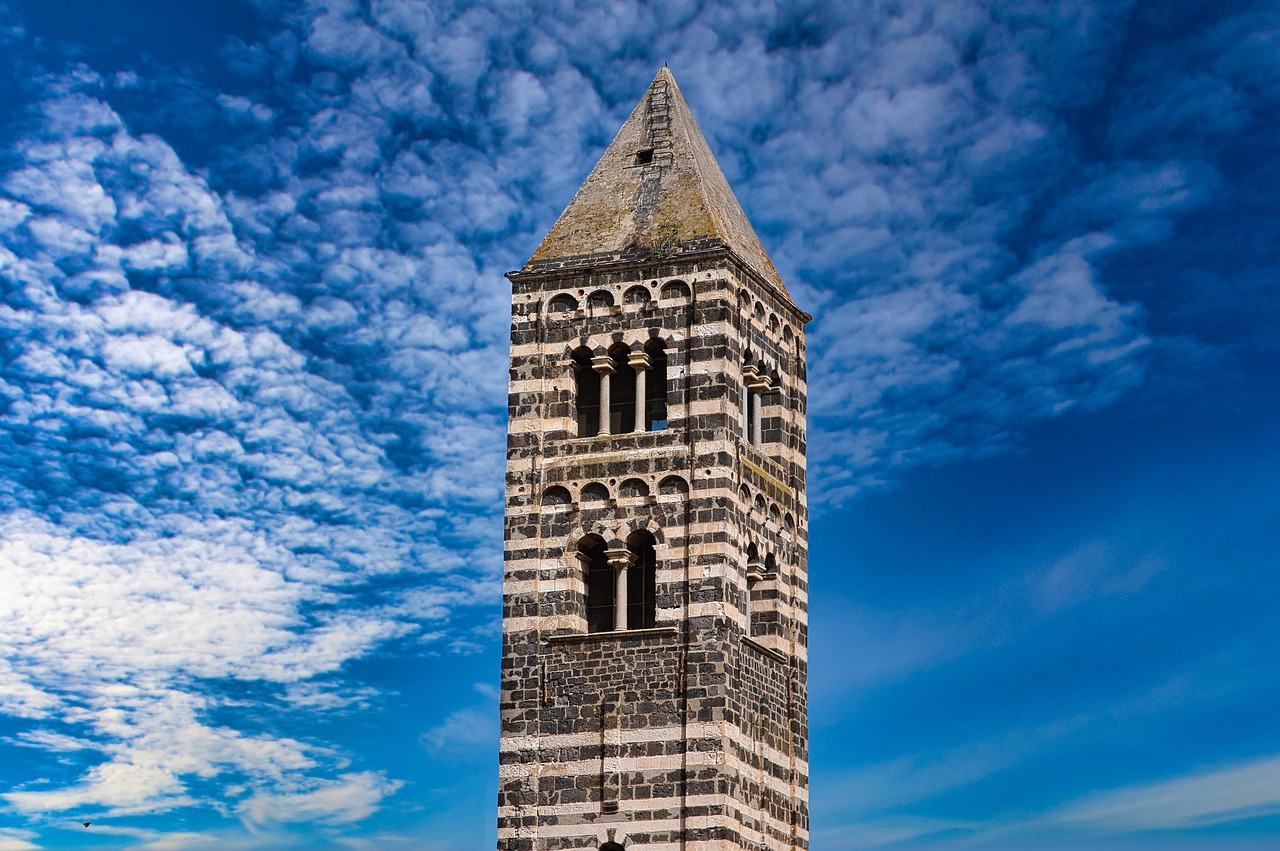
Why do churches have steeples? Aside from looking cool on a postcard, they served two major purposes. First, they were landmarks. Before GPS, you found your way to a town by looking for the spire. Second, they housed the bells.
The bells were the town's communication system. They rang for weddings, funerals, and even fire alarms. The height of the tower ensured the sound traveled as far as possible. Architecturally, the spire is meant to be a vertical line pointing toward the heavens, forcing your perspective upward. It’s a bit of a psychological trick—it makes the building feel like it’s straining against gravity.
Practical Insights for the Modern Visitor
If you find yourself touring an old church or attending a service for the first time, keep these things in mind to get the most out of the experience:
- Check the orientation. Most traditional churches are "oriented," meaning the altar is at the east end. This is so the congregation faces the rising sun, symbolizing the resurrection. If the church is facing a different way, it’s usually because the local street grid made it impossible to do otherwise.
- Look for the "Aisle" vs. "Alley." Most people call the walkway between pews the "aisle," but technically, in architecture, the aisles are the walkways on the far left and right sides of the nave, separated by pillars. The middle part is just the center of the nave.
- Read the windows. In the Middle Ages, most people couldn't read. The stained glass wasn't just pretty; it was a comic book. If you follow the windows around the room, they usually tell a chronological story.
- The Baptismal Font location. Sometimes the font (where people are baptized) is right at the entrance. This is symbolic—you "enter" the church through baptism. Other times it's at the front. Both are valid, but the placement tells you what that specific congregation emphasizes.
Understanding the parts of a church building turns a pile of old stones into a living textbook. You start to see why the acoustics are so echoey (to carry the voice before microphones) and why the doors are so big (to welcome everyone, supposedly). It's a mix of ancient engineering and intentional symbolism that still dictates how we move through these spaces today.
Next time you’re inside one, look at the floor. Often, the most interesting parts of the building’s history are literally carved into the stones beneath your feet, where former members or influential locals might be buried, turning the floor itself into a part of the church's structural memory. Take a moment to walk the perimeter of the nave; it was designed to be experienced in motion, not just from a seated position.