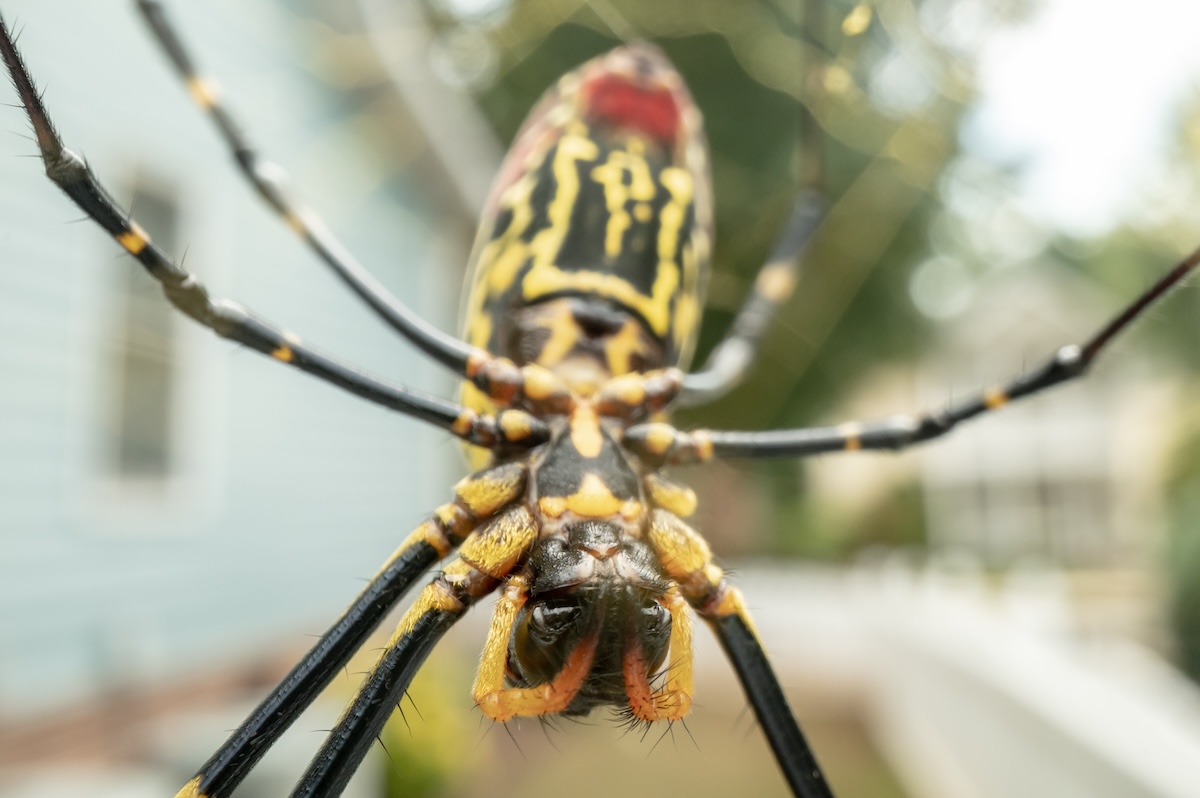
You’re sitting in a cramped Brooklyn apartment, maybe scrolling through your phone, and you see it. A dark, leggy shape darting across the crown molding. Most people’s first instinct is to grab a shoe or scream. But honestly, spiders in New York are mostly just trying to stay out of your way and eat the flies that are actually annoying you. New York isn't exactly the Amazon rainforest, but the sheer density of our buildings creates a weird, artificial ecosystem where certain arachnids thrive. It’s a concrete jungle, sure, but it’s also a silk one.
They’re everywhere.
From the high-rises of Manhattan to the leafy backyards of Staten Island, spiders have carved out a niche. Most of what you’ll find in a fifth-floor walk-up are harmless common house spiders. They aren't interested in your blood. They want the gnats living in your overwatered monstera plant. Yet, there’s always that lingering fear of the "big ones" or the "deadly ones." Let's get real about what’s actually crawling in the walls of the Empire State.
Why Spiders in New York Love Your Apartment
Spiders don't pay rent, but they definitely take advantage of the amenities. Our HVAC systems, cluttered basements, and old radiator pipes are basically luxury condos for them. The Common House Spider (Parasteatoda tepidariorum) is the undisputed king of the five boroughs. You’ve seen their webs—tangled, messy cobwebs in the corners of the ceiling. They’re disorganized architects. Unlike the beautiful circular webs you see in movies, these guys just throw silk at a corner and hope for the best.
Why here? Because of the food. New York has a massive insect population. Roaches, flies, bed bugs (the real enemy), and moths. If you have spiders, you have a food source. It’s a simple equation. Biologists like Louis Sorkin from the American Museum of Natural History have spent years documenting these urban dwellers. He’s often pointed out that while we fear the spider, we should probably be thanking them for the free pest control. They are the silent janitors of the city’s cracks and crevices.
Temperature is the other big factor. When the New York winter hits and the wind chills start biting, spiders head indoors. They don't have antifreeze in their veins. They find a nice, warm gap near a baseboard and settle in. If you see more spiders in October or November, it’s not because they’re invading; they’re just seeking a heater, just like you.
The "Big Three" You’ll Actually Encounter
It’s not all just little brown dots. Some of these guys have presence.
The Yellow Sac Spider: These are probably the ones you see most often during the day. They don't make traditional webs. Instead, they build little silk "sleeping bags" in the corners where the wall meets the ceiling. They’re pale, yellowish-green, and surprisingly fast. People get nipped by these more than any other spider because they get trapped in clothes or bedsheets. It stings, maybe swells a bit, but it won’t kill you. It’s basically a bee sting without the wings.
Wolf Spiders: These are the ones that cause the most heart attacks. They’re big. They’re hairy. They don't use webs at all—they hunt on foot like actual wolves. You’ll mostly find them in ground-floor apartments or houses with yards. If you see a giant shadow skittering across the kitchen floor at 2:00 AM, it’s likely a Wolf Spider. They’re terrifying to look at but remarkably shy. They’d rather run into a dark hole than deal with your size 10 sneaker.
Cellar Spiders (Daddy Long Legs): Long, spindly, and fragile. They love the damp basements of old brownstones. There’s an old urban legend that they’re the most poisonous spiders in the world but their fangs are too small to bite you. That’s a total myth. They can bite, but their venom is weak, and they’re incredibly chill. They actually kill other spiders, including the more "dangerous" ones, so they’re good roommates to have around.
Dealing With the Venom Myth
Let's talk about the scary stuff. Everyone asks about the Black Widow and the Brown Recluse. Are they part of the spiders in New York population?
Technically, yes. Practically? Rarely.
Northern Black Widows (Latrodectus variolus) do live in New York State. They like dark, undisturbed places like woodpiles or deep crawl spaces. You aren't going to find one sitting on your TV remote in a Midtown office. Bites are serious but rarely fatal if treated.
The Brown Recluse is a different story. They aren't native to New York. Every time someone in Queens claims they were bitten by a Recluse, it’s almost always a misdiagnosis of a staph infection or a bite from a Yellow Sac Spider. They occasionally hitch a ride in a moving box from the South, but they don't survive the climate well enough to establish a "population" here. Don't believe every Facebook post you see about "infestations" of Recluses in the subway. It's just not happening.
Identifying Your Eight-Legged Neighbors
If you want to know what's looking at you, look at the eyes. Or the legs. Or just the general vibe.
- Jumping Spiders: These are the "cute" ones. They have two massive front eyes and move in jerky, robotic hops. They’re active during the day and often hang out on windowsills. They’re super curious and will actually watch you move.
- Orb Weavers: You’ll see these on balconies or in Central Park. They make the classic, beautiful "Spiderman" webs. They almost never come inside because there’s nothing for them to do there. They need the wind and the wide-open space to catch flying bugs.
- Grass Spiders: Often confused with the Brown Recluse because they have a similar brown color and a stripe on their back. But these guys have long "tail" structures (spinnerets) and build funnel-shaped webs in the grass or near foundation cracks.
It’s easy to get paranoid. But remember, most spiders have terrible eyesight. They aren't plotting against you. They’re basically tiny, vibrating sensors that react to movement and heat. If you stay still, you don't exist to them.
The NYC Spider Season
Is there a "peak" time for spiders in New York? Kinda. Late summer and early autumn is when you'll notice them most. This isn't because there are "more" spiders, but because the ones that hatched in the spring have finally grown large enough for you to see. It’s also mating season. The males are wandering around looking for love, which is usually when they end up in your bathtub because they can't climb the slick porcelain walls once they fall in.
If you find a spider in your tub, it didn't come up through the drain. That’s another myth. They just fell in from the ceiling or wall and got stuck. Help a neighbor out—throw a piece of toilet paper over the edge so they can climb out, or just cup-and-paper them back to the hallway.
Managing the Population Without Losing Your Mind
You don't need to call a SWAT team. Honestly, the heavy-duty pesticides most people spray are way more toxic to you and your pets than the spiders are. If you really want to cut down on the number of spiders in your home, you have to look at the environment.
Seal your windows. Use those draft stoppers under the door. If you have a bunch of cardboard boxes in the corner, get rid of them. Spiders love cardboard. It’s basically a multi-story apartment complex for them. Switch to plastic bins if you’re storing clothes under the bed.
Also, turn off your porch lights if you have them. Light attracts moths and flies. Moths and flies attract spiders. It’s a buffet, and you’re the one hosting it. If you dim the lights, the "party" moves elsewhere.
When to Actually Call an Expert
Most of the time, a spider is a "one-off" situation. You see it, you deal with it (or ignore it), and life goes on. However, if you are seeing dozens of the same type of spider every day, you might have an egg sac that hatched nearby. That’s annoying, but still not usually a health crisis.
The only real reason to get professional help is if you find a confirmed Black Widow nest in a high-traffic area (like a playroom or a garage you use daily) or if you’re having a severe allergic reaction to bites. For the average New Yorker, the "threat" is 99% psychological.
Practical Steps for Living with NY Arachnids
- The Cup Method: Keep a dedicated "spider jar" and a piece of stiff mail nearby. Trap, slide, and release. It’s better for your soul and your carpet.
- Clean the Corners: Use a vacuum with a long attachment to suck up cobwebs once a week. If you destroy their home, they’ll eventually move to a "quieter" neighborhood.
- Check Your Plants: New houseplants are the number one way "exotic" spiders enter NYC apartments. Give them a quick inspection before you bring them inside.
- Peppermint Oil: Some people swear by it. Spiders supposedly hate the smell. Mix some with water and spray your baseboards. At worst, your apartment will just smell like a candy cane.
- Dehumidify: Many spiders, especially Cellar Spiders, crave moisture. Running a dehumidifier in a damp basement makes the area much less attractive to them.
Ultimately, the spiders in New York are just another part of the city’s grit. They are survivors. They handle the noise, the pollution, and the cramped quarters just like we do. They’re the ultimate New Yorkers—tough, misunderstood, and mostly just trying to find their next meal in a city that never sleeps. Next time you see one, maybe just give it a nod. It’s probably eaten three mosquitoes since you last cleaned your room. That’s a win for everybody.
Take a look around your window frames today. If you see a tiny, jumping friend, just leave him be. He’s doing more for your apartment’s hygiene than that half-empty bottle of generic surface cleaner under your sink. Focus on sealing the gaps under your sink where the roaches come in; the spiders will handle the rest.