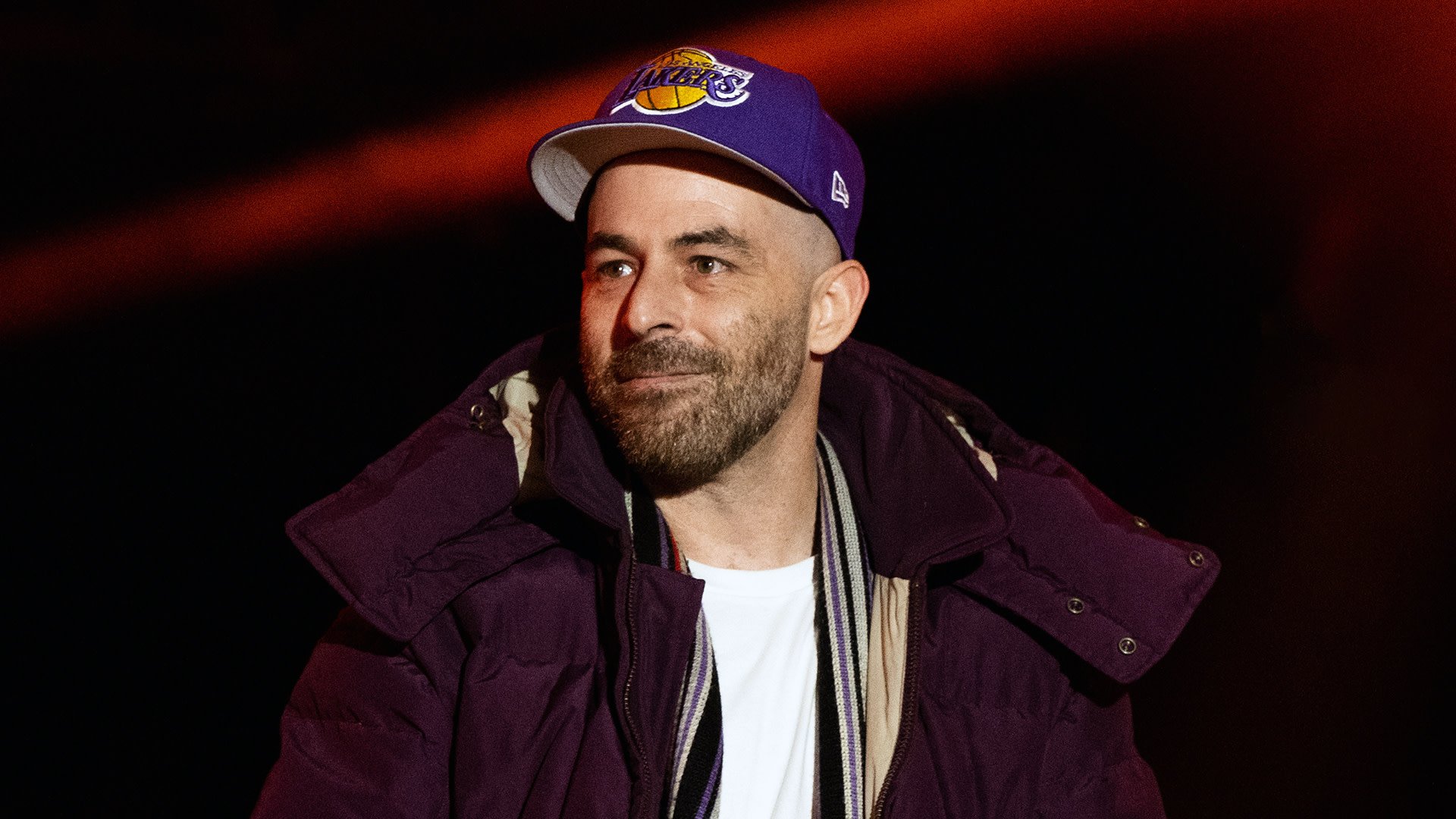
He sits in a room full of dust.
Alan Maman, the man the world calls The Alchemist, has spent the last thirty years proving that consistency is the only real currency in rap. While other producers chase the "sound of the summer" or pivot to TikTok-friendly loops, Alchemist stays in the lab. He’s digging through crates of obscure psych-rock, 70s soul, and eerie soundtracks to find that one perfect, haunting chop. Honestly, it’s kind of wild when you think about it. Most producers have a "run"—a three-to-five-year window where they own the radio—and then they fade into the background or start doing tech investments. Not Al.
The Alchemist hip hop story didn't start in a basement in Queens, though. It started in Beverly Hills. That’s the part people usually forget. He was part of The Whooliganz with Scott Caan (yes, the actor from Hawaii Five-O). They were signed to Tommy Boy in the early 90s. They were kids. But instead of becoming a footnote in the "white rapper" craze of that era, Alan pivoted. He went to New York. He linked up with DJ Muggs and the Soul Assassins crew. He became a student of the MPC.
By the time he started working with Mobb Deep on Murda Muzik, he wasn't just a guest; he was the architect of a new kind of grime. If you listen to "The Realest" or "Keep It Thoro," you can hear it. It’s cold. It’s precise. It’s The Alchemist hip hop blueprint: taking the most beautiful melodic fragments and making them sound like a threat.
How the Sound Actually Changed (and Why It Matters)
People talk about "boom bap" like it's a museum piece. But Alchemist treated it like a living organism. In the early 2000s, his drums were heavy, snapping, and aggressive. Think about "Worst Comes to Worst" by Dilated Peoples. That vocal chop from William Bell’s "I’ve Forgot to Be Your Lover" is legendary. It’s warm but melancholic.
But then something shifted.
As the 2010s rolled in, Alchemist started stripping things away. He became the king of the "drumless" loop. It’s a risky move. If the loop isn’t perfect, the song is boring. But he has this internal radar for finding textures that don't need a kick or a snare to keep the rhythm. You see this all over his work with Roc Marciano and Action Bronson. It’s basically jazz with a hood sensibility. He’s taking these long, sprawling samples and letting them breathe, forcing the rapper to actually rap instead of just riding a beat.
He’s basically the glue holding different generations together. You’ve got legends like Nas and Earl Sweatshirt both calling him for beats in the same week. That doesn't happen by accident. It happens because he’s a gearhead who never stopped being a fan. He’s still in the record stores. He’s still looking for that $2 record that sounds like a million bucks.
The Collaborative Run: Rare Chandeliers to Alfredo
If we’re being real, Alchemist’s current legendary status is tied to his "one producer, one rapper" albums. This is where he thrives. He doesn't just send a folder of beats; he builds a world.
Take Alfredo with Freddie Gibbs. It was nominated for a Grammy, and for good reason. The production sounds like a luxury car driving through a thunderstorm. It’s expensive-sounding but gritty. Then you have the LULU EP with Conway the Machine or the Tana Talk 4 tracks for Benny the Butcher. He gave the Griselda movement a cinematic sheen that they couldn't have gotten anywhere else.
And then there's his work with Oh No as Gangrene. That’s where things get weird. It’s psychedelic, distorted, and dirty. It shows that he isn't just a "prestige" producer; he still likes the basement grime.
The Secret Sauce: It's Not Just the MPC
A lot of people think it's just about the hardware. Sure, he used the MPC 2500 for years, and he’s a wizard with it. But the real "Alchemist hip hop" secret is his ear for the "pocket."
- The Mid-Tempo Grift: He rarely goes too fast. Most of his best work sits in that 80-90 BPM range.
- The Vocal Chop: He uses voices as instruments, often pitch-shifting them until they sound like ghostly remnants of a past life.
- The Atmosphere: He loves "found sound." Rain, sirens, dialogue from old movies—he layers these in so the track feels lived-in.
Honestly, it’s the nuance that gets you. It’s the way a sample might slightly drift out of tune just to give it some tension. Or the way he’ll drop the bass out for four bars just to make the entry feel more impactful when it returns. It’s sophisticated stuff disguised as street music.
Why 2026 is Still the Era of Alchemist
We’re seeing a massive resurgence in "soulful noir" rap. Everyone from Westside Gunn to Boldy James has built entire careers on the sonic foundation Alchemist helped lay down. He’s the guy who proved you don’t need a club hit to be relevant. He stayed independent. He started ALC Records. He sells out limited edition vinyl in thirty seconds because he knows his audience.
He’s also one of the few producers who has successfully transitioned into the "personality" space without being annoying. His chemistry with Action Bronson on Fuck, That's Delicious showed a human side to the mysterious beat-maker. He’s the cool uncle of the industry. He’s the guy who stays out of the drama and just keeps his head in the speakers.
The Boldy James Partnership
If you want to understand the modern peak of this sound, you have to look at The Price of Tea in China and Bo Jackson. His work with Boldy James is arguably some of the best hip hop produced in the last decade. It’s cold. It’s clinical. Boldy’s monotone delivery over Alchemist’s eerie, creeping loops creates a vibe that is genuinely unsettling but impossible to turn off. It’s the definition of "less is more."
Many producers would try to "fill the space" with more hi-hats or synth layers. Alchemist does the opposite. He removes layers until only the soul remains. It’s a brave way to produce.
Moving Beyond the Hype
If you’re trying to get into The Alchemist hip hop discography, don’t just start with the new stuff. You have to go back. Listen to 1st Infantry. That was his 2004 "producer album," and it’s a masterclass. "Hold You Down" with Prodigy and Nina Sky is a perfect example of how he can bridge the gap between a street anthem and something that could actually play on the radio without losing its soul.
There's also a misconception that he only works with "underground" artists. This is a guy who has produced for Eminem, Kendrick Lamar ("The Heart Part 4" and "Fear"), and Drake. He can play in the big leagues whenever he wants. He just chooses to spend most of his time in the gritty margins because that’s where the art is.
Actionable Insights for Fans and Creators
If you’re a producer or just a deep-dive fan of the craft, there are a few practical takeaways from studying Alan’s career that go beyond just buying a record.
- Study the Source, Not the Sample: Don't just look for "Alchemist type samples." Go listen to the genres he listens to—European prog rock, 60s Italian soundtracks, and obscure library music. The magic is in the discovery, not the imitation.
- Curate Your Brand: Alchemist doesn't put his name on everything. He is very selective about who he does full projects with. In an era of "content over quantity," being a "quality over everything" creator actually creates more long-term value.
- Master One Tool: Whether it’s an MPC, Ableton, or a SP-404, Alchemist shows that mastery of your specific interface is better than having every plugin in the world.
- Build Your Own Ecosystem: By launching ALC Records and focusing on direct-to-consumer vinyl drops and unique merch, he bypassed the traditional label system that kills so many producers' careers.
To truly appreciate the current state of the culture, you have to recognize that we are living in a post-Alchemist world. He changed the gravity of the genre. He made it okay to be quiet, to be moody, and to be obsessed with the past while pushing the future forward.
The best way to experience this is to put on The Elephant Man's Bones, grab a pair of high-quality headphones, and just listen to the way the sounds decay. You’ll hear a man who isn't just making beats, but someone who is painting with noise. It’s not just rap; it’s a lifestyle of dedicated, quiet excellence. Keep your ears open for his next "Craft Classics" or whatever surprise drop he has planned for this year, because if history is any indication, it’ll be the soundtrack to the underground for the next eighteen months.