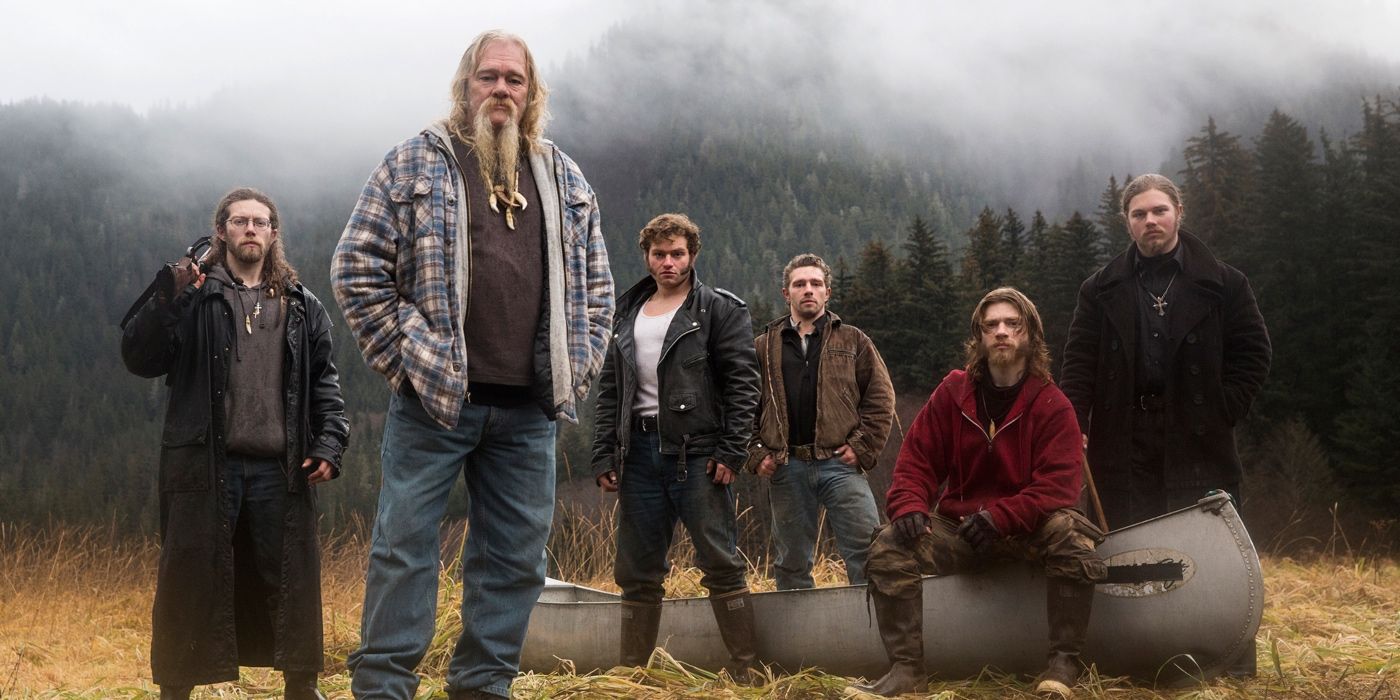
You probably remember the first time you saw them. Seven kids, two parents, and a lot of dirt. They called themselves the "Wolf Pack," and for a decade, the Brown family from Alaskan Bush People captivated millions of viewers who were bored with their 9-to-5 lives and wanted to see what "wild" actually looked like. But let's be real for a second. The show was always a weird mix of genuine survivalism and Discovery Channel magic.
People love to argue about whether they were "fake." Honestly? It’s complicated. While the show definitely polished the edges of their rough lifestyle, the family dealt with very real tragedies and very real legal drama that no scriptwriter could have dreamed up.
Where the Brown Family From Alaskan Bush People Actually Came From
The narrative we all got was that Billy and Ami Brown raised their kids in the deepest, darkest reaches of the Alaskan wilderness, disconnected from the modern world. Billy, the patriarch who passed away in 2021, often spoke about their "bush code."
But the backstory isn't just about trees and fishing. Billy wasn't born a mountain man. He was actually born into a wealthy Texas family. After a tragic plane crash killed his parents and sister when he was just a teenager, he lost that fortune and spent years wandering before ending up in Alaska with Ami.
Their kids—Matt, Bam Bam, Bear, Gabe, Noah, Birdy, and Rainy—grew up in front of the cameras. But even early on, locals in Hoonah, Alaska, were skeptical. There were constant rumors that the family didn't live in the bush year-round. Some claimed they stayed at the Icy Strait Lodge when the cameras stopped rolling.
Does that make them frauds? Not necessarily. It makes them TV stars. Living in the Alaskan interior is punishing. Doing it while a film crew needs to charge batteries and eat lunch is basically impossible without some concessions.
The Legal Mess That Almost Ended Everything
If you want to talk about what the Brown family from Alaskan Bush People really faced, you have to talk about the Permanent Fund Dividend (PFD) scandal. This was the moment the "wilderness" illusion took a massive hit.
In 2014, Billy and several family members were charged with dozens of counts of unsworn falsification and second-degree theft. The issue was simple: to get the PFD money (the check Alaska gives residents from oil wealth), you have to actually live in Alaska. The state argued the Browns were living in the lower 48 during the time they claimed residency.
Billy and Bam Bam ended up taking plea deals. They spent 30 days under house arrest—not in a cabin, but in a Juneau hotel. This was a turning point for the fans. It proved that while they were portraying a life of total isolation, they were still very much tied to the system and frequently traveled outside of Alaska.
North Star Ranch and the Move to Washington
Everything changed when Ami was diagnosed with lung cancer in 2017. The bush isn't a great place for chemotherapy. The family pulled up stakes and moved to a 435-acre property in Okanogan County, Washington, which they dubbed "North Star Ranch."
The landscape shifted from snowy pines to high-desert mountains. Fans were split. Some felt the show lost its soul when they left Alaska. Others were just glad Ami survived against some pretty staggering odds.
Life at the Ranch
Living in Washington didn't exactly mean they went "soft." They dealt with massive wildfires that threatened their property and forced evacuations. It was a different kind of survival.
- Bear Brown started leaning heavily into his "extreme" persona, often seen running through the woods or climbing trees for the camera.
- Noah Brown focused on his inventions, trying to build "bush" tech that was sometimes brilliant and sometimes just bizarre.
- Birdy and Rainy grew up. Birdy, in particular, remained one of the most authentic members of the group, seemingly preferring the company of her many cats and the quiet of the mountains to the fame.
The Loss of Billy Brown
In February 2021, the patriarch died after suffering a seizure at the age of 68. This wasn't just a loss for the family; it was the end of the show's foundational philosophy. Billy was the one who pushed the "bush code." He was the one who insisted on staying away from the "lower 48" way of thinking.
Without him, the family fractured.
Matt Brown, the eldest, had already been estranged from the family for quite some time. He struggled with substance abuse and spent time in rehab. After Billy died, Matt went public on Instagram, accusing his father and the show's producers of withholding money and being dishonest about the family's lifestyle. It was messy. It felt like watching a real family fall apart under the weight of a reality TV legacy.
Dealing With Modern Realities
The Brown family from Alaskan Bush People are now mostly adults with their own families. Noah and Gabe are fathers. Bear has had a very public, very rocky relationship with Raiven Adams.
It’s weird to think about the "wild" kids having Instagram accounts and TikToks, but that’s where we are. Bear uses social media to keep the brand alive, often posting videos of himself in the woods, trying to maintain that "extreme" edge.
What People Still Get Wrong
- They aren't poor. Despite the "living off the land" aesthetic, the family made significant money from Discovery. Estimates vary, but the older kids and Billy were likely making five-figure salaries per episode at the show's peak.
- They aren't totally isolated. They have phones. They have cars. They go to the store. The show highlights the 10% of their life spent hauling logs and ignores the 90% spent doing normal human stuff.
- The "bush language" was real-ish. The kids grew up with a very specific accent and way of speaking because they were mostly around each other. That wasn't faked; it was a byproduct of a very insular upbringing.
The Enduring Appeal of the Wolf Pack
Why do we still talk about them? Because there’s something primal about the idea of walking away from it all. Even if the Brown family from Alaskan Bush People only lived that life 50% of the time, that’s 50% more than most of us.
We watched Birdy deal with health scares. We saw Bam Bam try to bring some level of logic to the chaos. We watched them build a "castle" out of shipping containers.
It wasn’t just a show about survival. It was a show about a family that refused to fit in. In 2026, where everything is digital and tracked, the idea of a family that just wants to be left alone in the woods—even with a camera crew following them—still resonates.
Future Outlook for the Browns
The show has lasted much longer than anyone expected. As the kids get older, the "bush" lifestyle becomes harder to maintain. Most of them have moved toward more conventional lives, though they still keep the ranch in Washington.
The real test for the legacy of the Brown family is whether the younger generation—Rainy and Birdy—decide to keep the "Wolf Pack" brand alive or if they’ll finally step out from the shadow of Billy's dream and find their own path in the modern world. Birdy’s recent health struggles and her desire to return to Alaska suggest the "bush" is still in their blood, even if the TV version of it is fading.
How to Follow the Brown Family Today
If you’re looking for the most authentic updates on the Brown family from Alaskan Bush People, skip the tabloids and look at their direct social media. Matt Brown’s videos on Instagram offer a raw, often painful look at the family’s reality from the perspective of an outsider. Bear Brown’s posts are more in line with the show’s "extreme" brand.
- Watch the early seasons. To understand the hype, go back to seasons 1 and 2. That’s where the "bush" feeling was strongest.
- Check out the Washington years. For a look at how a family adapts to massive change and grief, the seasons following their move and Billy’s death are the most telling.
- Follow the individual kids. Most of the Brown children are active on social media now, providing a glimpse into their lives that Discovery doesn't edit.
The story of the Browns is a reminder that reality is rarely as simple as a 42-minute episode. They are a family that lived an extraordinary life, made plenty of mistakes, and managed to turn a rugged Alaskan dream into a multi-million dollar entertainment empire. Whether you think they’re the real deal or just clever actors, you can’t deny they changed the face of reality TV forever.
For those interested in the logistical reality of living off-grid, researching land laws in Washington and Alaska's PFD requirements provides the best context for the challenges the Browns faced. Understanding the legal limitations of "homesteading" in the 21st century makes their journey—and their setbacks—far more relatable to the average person dreaming of their own escape.