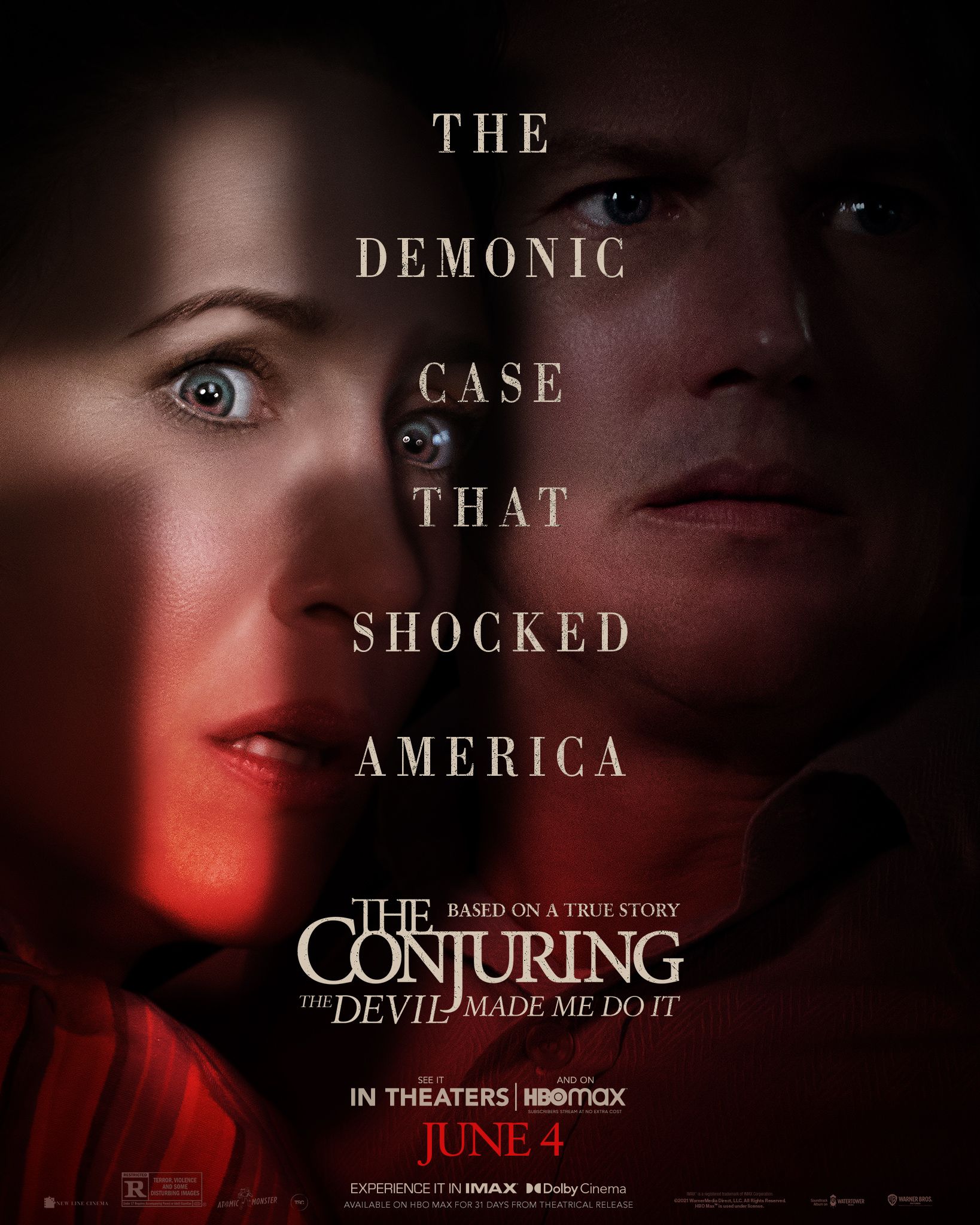
It was 1981 in Brookfield, Connecticut, a town that wasn't exactly used to brutal stabbings or supernatural claims. Then Arne Cheyenne Johnson killed his landlord, Alan Bono. Simple enough for a courtroom, right? Not even close. This became the first time in United States history that a defense lawyer looked a judge in the eye and argued that his client wasn't responsible because of a literal demonic possession. Most people know the Hollywood version from The Conjuring: The Devil Made Me Do It, but the reality is much messier, stranger, and arguably more tragic than the jump scares on Netflix.
The movie makes it look like a whirlwind of levitating bodies and dramatic exorcisms. Real life was a lot slower. It started months before the murder with an 11-year-old boy named David Glatzel. David was the brother of Arne’s girlfriend, Debbie. According to the family, David started seeing a "beastly" old man who spoke in Latin and threatened to steal his soul. If you've watched the film, you see Ed and Lorraine Warren swoop in like supernatural first responders. In reality, their involvement was highly controversial from the jump, drawing both desperate hope from the Glatzels and intense skepticism from the local clergy and police.
The Trial That Challenged the Legal System
When Arne Johnson stood trial, his lawyer, Martin Minnella, didn't want a standard "not guilty" plea. He wanted to prove that the devil was a tangible entity that could be held legally accountable—or at least serve as a mitigating factor for murder. It was a bold, some might say desperate, move. Minnella even traveled to England to consult with lawyers who had handled similar "occult" defenses, though none had successfully used it in a high-profile homicide case.
Judge Robert Callahan wasn't having it. He famously ruled that the "demonic possession" defense was simply not a thing in a court of law. He argued that allowing such a defense would be "irrelevant and immaterial." Basically, you can't subpoena Satan. This forced the defense to pivot to a more traditional self-defense or "heat of passion" argument. Even so, the media circus had already left the station. The Conjuring: The Devil Made Me Do It narrative was born in those press conferences outside the courthouse, where Lorraine Warren would tell reporters that Arne had invited the demon into his body to save young David.
Was It Possession or Something Else?
The skeptical take isn't hard to find. Many people, including David Glatzel’s own brother, Carl Glatzel Jr., have spent years calling the whole thing a hoax. Carl eventually sued the Warrens and the authors of the book The Devil in Connecticut, claiming his brother David was actually suffering from undiagnosed mental health issues and that the Warrens exploited the family for fame. It’s a dark turn that the movies usually gloss over.
Psychiatrists who looked at the case (from a distance or through records) often point toward a combination of "folie à deux"—a shared delusion—and the intense stress the family was under. Imagine being 19, like Arne was, watching your girlfriend’s family fall apart, convinced that a literal demon is in the house. That kind of psychological pressure is a pressure cooker. Whether the demon was a spiritual entity or a manifestation of trauma, the result was a man dead on the floor of a kennel.
Arne Johnson was ultimately convicted of first-degree manslaughter. He didn't get life. He served about five years of a ten-to-twenty-year sentence. He was a model prisoner. He even got his high school diploma while behind bars. He and Debbie eventually married, and they stayed together until her death in 2021. This suggests a level of stability that doesn't exactly fit the "unhinged killer" trope, which is why the possession story stays so sticky in our culture.
The Warrens and the Business of Hauntings
We can't talk about The Conjuring: The Devil Made Me Do It without talking about Ed and Lorraine Warren. They are the bedrock of the modern paranormal industry. To some, they were devout Catholics helping the helpless. To others, they were master marketers. Their "Occult Museum" in Monroe, Connecticut, became a pilgrimage site for the morbidly curious, featuring the infamous Annabelle doll.
The Warrens claimed they had audio recordings of David Glatzel growling and speaking in voices. They claimed they saw objects move. But in the legal world, "I saw it" doesn't count for much without empirical evidence. This case remains the peak of their fame because it bridged the gap between "ghost stories" and the "real world" of the American justice system. It showed how much we want to believe in the supernatural, especially when the alternative—that a "good kid" could kill someone for no reason—is too scary to face.
Why This Case Still Haunts Us
Modern true crime fans are obsessed with the "why." Why did he do it? In the 80s, the "Satanic Panic" was just starting to ramp up. People were primed to believe that evil forces were hiding in heavy metal records and basement rituals. The Johnson case fed right into that fear.
- The Physical Evidence: There was a five-inch pocketknife.
- The Conflict: A heated argument over Debbie and some kids.
- The Aftermath: A family torn apart by lawsuits and conflicting memories.
Honestly, the most chilling part of the real story isn't a demon popping out of a floorboard. It's the way memory works. Two people can be in the same room and see two completely different things. One sees a possession; the other sees a psychotic break. The movie chooses the possession because it makes for a better blockbuster, but the prose of the court transcripts tells a much more human, grounded story of tragedy.
Real-World Takeaways and Next Steps
If you're fascinated by the intersection of the supernatural and the law, don't just stop at the Hollywood film. There are actual steps you can take to understand the nuances of this case and the legal precedents it (almost) set.
Examine the Court Transcripts
Most of the "The Devil Made Me Do It" claims were dismissed before they could even be entered into formal evidence. Reading the actual rulings of Judge Callahan provides a masterclass in how the legal system handles claims that cannot be proven by the scientific method. It shows the boundary between faith and law.
Study the History of the Satanic Panic
The early 80s were a specific cultural moment. Understanding the context of the McMartin preschool trial or the fears surrounding Dungeons & Dragons at the time helps explain why the public was so ready to believe Arne Johnson's story.
Differentiate Between Folklore and Evidence
When researching paranormal cases, always look for "primary source" skeptics. In this case, Carl Glatzel Jr.’s accounts provide a necessary counter-weight to the Warrens' narratives. It's important to look at who stood to gain financially from the story being "true."
Follow Legal Precedents on Mental Health
While "possession" isn't a valid defense, "diminished capacity" is. Looking into how modern courts handle "extreme emotional disturbance" gives you a better idea of how a case like Arne Johnson’s would be handled today. We’ve moved away from demons, but we are still struggling with how to judge the "mind" of a defendant.
The story of Arne Johnson and the Glatzels is a reminder that the truth is rarely as simple as a movie script. It’s a mix of faith, law, and the dark corners of the human psyche. If you want the full picture, you have to look past the shadows on the screen and into the messy, un-cinematic details of the Connecticut records.