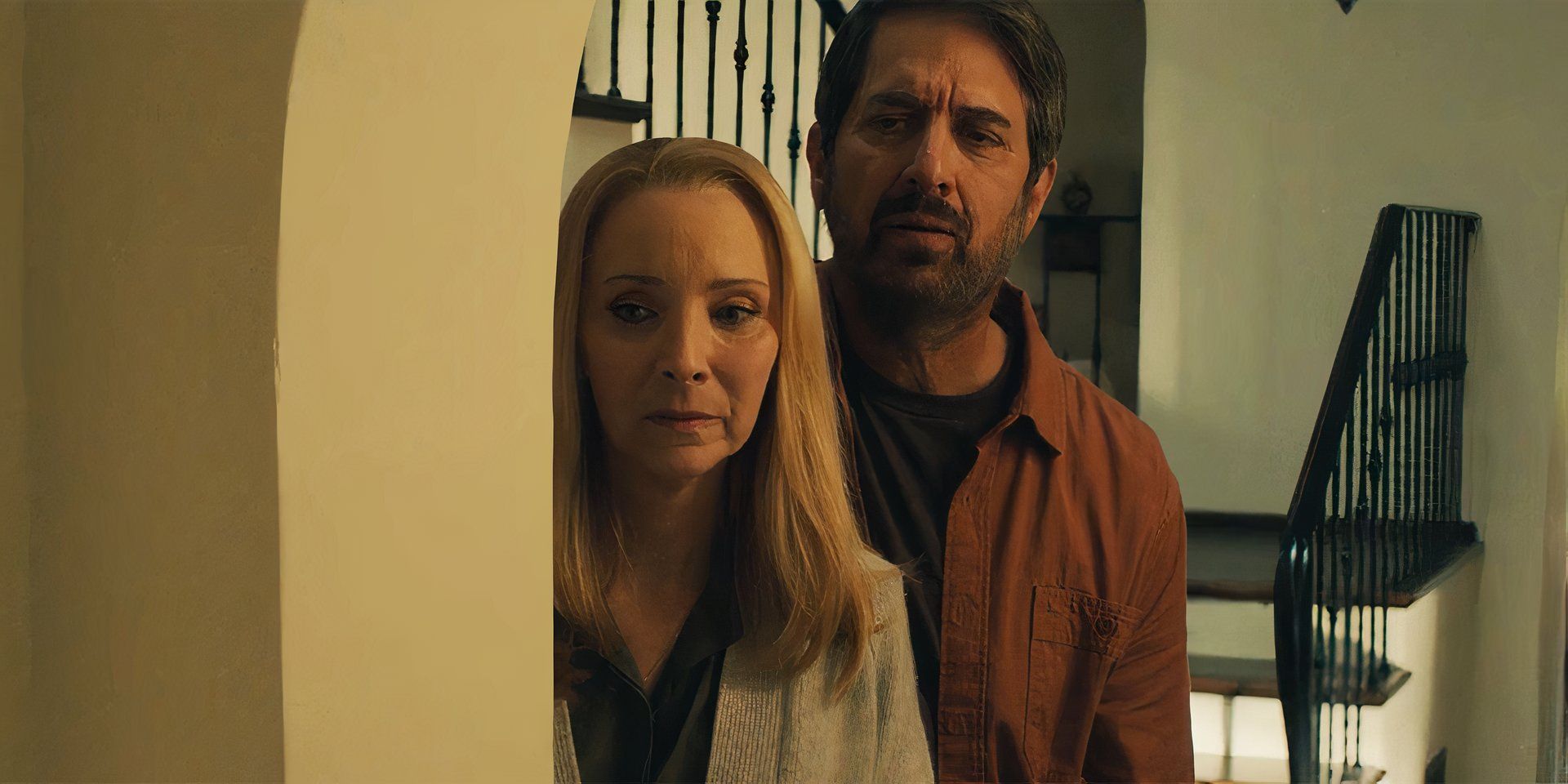
If you’ve spent any time scrolling through the endless grid of home renovation shows, you know the formula. It’s usually a couple with a $900,000 budget looking for a "fixer-upper" that only needs a coat of paint and some subway tile. The Deed TV show was never that. It was grittier. Honestly, it was a business show disguised as a real estate show, and that’s exactly why people are still looking for it years after the last episode aired on CNBC.
The premise was simple but brutal. Struggling real estate developers who were underwater on their projects—sometimes to the tune of millions—would call in an expert to bail them out. In New Orleans, that was Sidney Torres. In Chicago, it was Sean Conlon. These guys didn't just give advice; they put up their own cash. When you're playing with your own money, the stakes change. You aren't just worried about the color of the kitchen cabinets; you're worried about the structural integrity of the foundation and the very real possibility of bankruptcy.
Most reality TV feels like a fever dream of staged arguments. The Deed felt like a masterclass in what actually happens when a construction site goes south. It showed the side of "flipping" that HGTV usually hides behind a montage: the permits that don't get approved, the contractors who vanish with the deposit, and the crushing weight of high-interest bridge loans.
What Made The Deed Different From Every Other Flip Show?
It’s about the money. Always.
While other shows focus on the "reveal," The Deed focused on the ledger. Sidney Torres, who built a massive empire starting with a trash hauling business in New Orleans, brought a specific kind of "no-nonsense" energy to the screen. He wasn't there to be a mentor in the cuddly sense. He was there to protect an investment. If a developer was lazy or cutting corners, Sidney would threaten to pull the plug. It was stressful to watch. You’ve probably seen episodes where the "talent" is literally crying because they realize they’re about to lose their life savings.
Sean Conlon’s Chicago-based version, often referred to as The Deed: Chicago, had a slightly different flavor but the same high-stakes DNA. Conlon is a classic American success story—an Irish immigrant who started as a janitor and became a real estate mogul. He focused heavily on the "math" of the deal. He’d walk into a half-finished three-flat in a gentrifying neighborhood and immediately spot the $50,000 mistake the developer made by miscalculating the square footage.
The New Orleans vs. Chicago Dynamic
- Sidney Torres (NOLA): Focused on aesthetics and neighborhood vibe. He understood that in a place like New Orleans, history sells. If you rip out the soul of a cottage to put in cheap vinyl flooring, you’ve lost the profit margin.
- Sean Conlon (Chicago): It was all about the "bones" and the market timing. Chicago real estate moves fast, and Sean’s expertise was in knowing exactly when to hold and when to dump a property before the winter freeze killed the ROI.
The Reality of Real Estate "Mentorship"
People often ask if the deals on The Deed TV show were real. According to multiple interviews with the hosts and the production teams at CNBC, the money was absolutely real. Unlike Shark Tank, where the deals often fall apart in due diligence after the cameras stop rolling, the investments in The Deed happened in real-time. If Sidney said he was putting up $200,000 for a 40% stake, that contract was signed.
This created a weird, tense dynamic.
The developers weren't just "contestants." They were business partners. And as anyone who has ever had a business partner knows, that relationship is fraught with peril. There were times when the "protagonists" of the episode were incredibly unlikeable. They were arrogant, they ignored expert advice, and they doubled down on bad decisions. Watching Sidney or Sean try to navigate those personalities was arguably more interesting than the actual renovation.
Why Did It Stop Airing?
It’s a bit of a mystery, honestly. CNBC had a solid "Prime" lineup for a few years with The Profit and The Deed. However, as the network shifted its focus and the real estate market began to shift into the chaotic post-2020 landscape, the show faded away. There wasn't a massive "cancellation" announcement; it just sort of stopped.
Some fans speculate that the logistics of filming a real estate project—which can take 12 to 18 months—became too expensive for a cable network compared to the quick turnaround of other reality formats. You can’t "fake" a six-month delay on a roof installation without it looking ridiculous on camera.
Real Lessons You Can Actually Use
If you're watching reruns or finding clips of The Deed today, don't just watch it for the drama. There are genuine nuggets of wisdom in there.
- The 70% Rule: Most of the developers on the show failed because they overpaid for the property. You make your money when you buy, not when you sell.
- Hard Money is a Trap: A lot of the people featured were using "hard money" loans with 12% or 15% interest rates. When the project gets delayed by two months, that interest eats the entire profit.
- Finish the Neighborhood, Not Just the House: Sidney was big on this. He’d tell people to clean up the curb, paint the fence next door, and make the whole block look better. A beautiful house in a trashy block won't hit its appraisal value.
The Legacy of the Show
The Deed stands out because it didn't lie to the audience. It told us that real estate is hard. It told us that most people who try to flip houses actually end up losing money or breaking even while working 80-hour weeks.
It was the "anti-HGTV."
For anyone serious about property investment, the show serves as a cautionary tale. It emphasizes that you need more than a "vision"—you need a spreadsheet, a reliable crew, and enough capital to survive when things go wrong. Because in real estate, things always go wrong.
Actionable Steps for Real Estate Enthusiasts:
- Audit your "Why": If you’re looking to get into development because of reality TV, watch the "New Orleans: Desperate Measures" episode of The Deed. It’ll ground your expectations in a hurry.
- Analyze the Math: Take a local listing and run the numbers like Sean Conlon. Subtract 20% for unexpected costs, 6% for realtor fees, and 10% for carrying costs. If there's no profit left, it's not a deal.
- Study the Contracts: The show highlights the importance of "equity stakes." If you are bringing in a partner or an investor, ensure your operating agreement specifies exactly who has final say on design and budget to avoid the "Sidney vs. Developer" shouting matches.