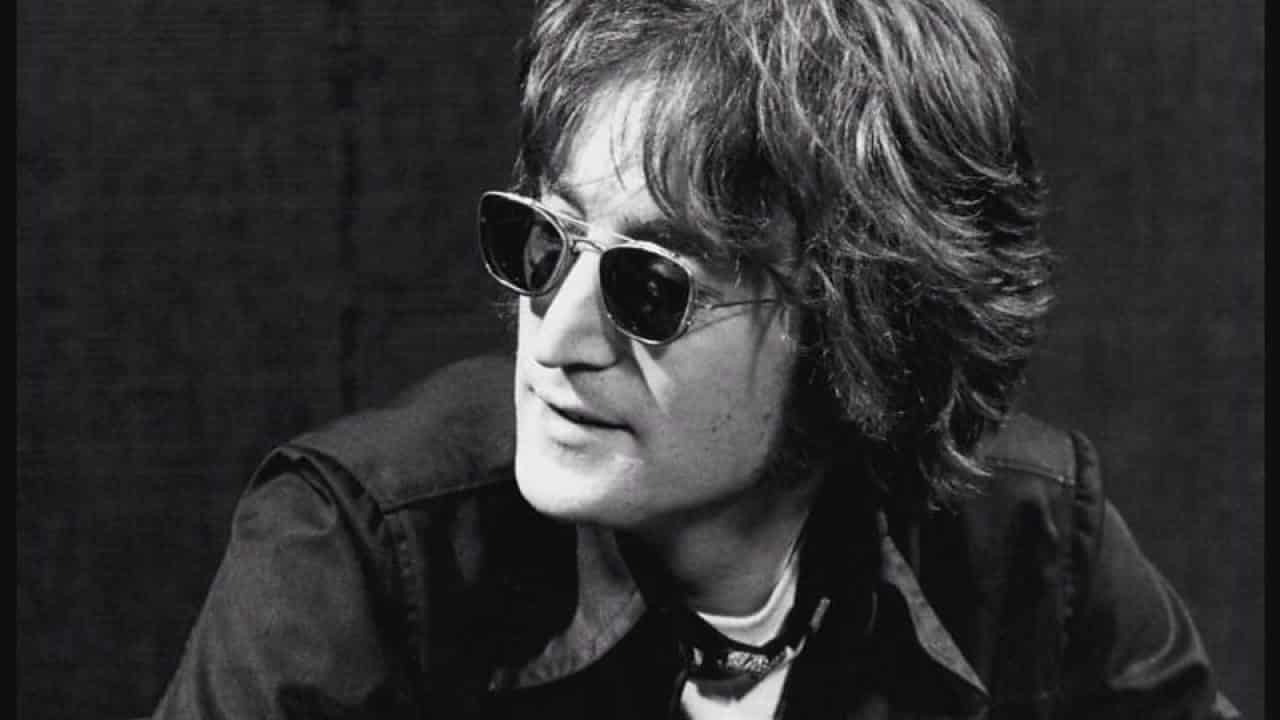
December 8, 1980. It was a Monday. Most people remember where they were when Howard Cosell broke the news during Monday Night Football. It felt fake. It still feels fake to some. But the reality of how John Lennon died isn't just a footnote in music history; it’s a heavy, jagged piece of the 20th century that changed how we look at celebrity, security, and the price of being "reachable."
John wasn't hiding. That’s the thing. He was living his life in New York City like a guy who finally felt at home. He was 40 years old. He’d just released Double Fantasy. He was happy. Then, in a few seconds outside the Dakota apartments, that was it.
The Longest Day at the Dakota
The day started out pretty normal. Actually, it was productive. John and Yoko Ono were busy. They did a photo shoot with Annie Leibovitz for Rolling Stone—you know the one, where he’s curled up next to Yoko. It’s iconic now. Back then, it was just work.
Around 5:00 PM, they headed out to the Record Plant to work on a track called "Walking on Thin Ice." As they walked out of the building, a young man was waiting. His name was Mark David Chapman. He wasn't some mysterious figure in the shadows; he was just another fan in a sea of fans. He held out a copy of Double Fantasy. John stopped. He signed it. He even asked Chapman, "Is this all you want?"
Chapman nodded.
Think about that for a second. John Lennon signed the very album that his killer was holding. There’s a photo of this moment taken by Paul Goresh. It’s chilling. John looks relaxed. Chapman looks like a guy getting an autograph. But Chapman had a .38 caliber Charter Arms revolver in his pocket. He didn’t use it then. He waited.
10:50 PM: The Moment Everything Changed
The recording session went late. John and Yoko were heading back home. They could have had the limo drive into the secure courtyard of the Dakota. They didn't. John wanted to get out and say goodnight to the fans or maybe just walk the short distance to the entrance. He liked being part of the city.
As they walked toward the archway, Chapman was still there.
He didn't call out. He didn't scream. He stepped out and fired five shots. Four hit John. Two in the back, two in the shoulder.
John kept moving for a moment. He staggered up the steps into the vestibule of the Dakota, calling out, "I'm shot! I'm shot!" Jay Hastings, the doorman, was there. He covered John with his uniform jacket. He took off John's glasses—those famous wire-rimmed glasses—which were covered in blood.
The police arrived fast. Officers Bill Gamble and James Moran didn't wait for an ambulance. They saw how bad it was. They lifted John into the back of their patrol car. Moran asked, "Are you John Lennon?" John apparently groaned or nodded, but he was fading. He had lost a massive amount of blood. By the time they got to Roosevelt Hospital, he was gone.
Why How John Lennon Died Still Haunts Us
Honestly, it’s about the vulnerability. Lennon had spent years under the thumb of the FBI. He’d fought for his green card. He’d dealt with the madness of Beatlemania. By 1980, he thought he’d found a version of peace in Manhattan.
The medical details are grim. Dr. Stephan Lynn, who was the head of the emergency department at Roosevelt, explained that the bullets had shredded John's internal organs. The "hollow-point" rounds Chapman used were designed to do maximum damage. They did. There was no way to save him.
The world found out through a football game. Howard Cosell, the legendary sportscaster, had to pivot from a game between the Patriots and the Dolphins to announce that the most famous musician on the planet had been murdered. It was jarring. It was a glitch in the matrix for an entire generation.
The Aftermath and the "Why"
Chapman didn't run. He sat down on the curb and started reading The Catcher in the Rye. He was waiting to be arrested. People try to find deep political conspiracies in this. They look for CIA involvement or Manchurian Candidate setups. But most experts, including Lennon’s biographers like Philip Norman, point to a much more pathetic reality: a man with a fractured psyche looking for a twisted kind of immortality.
Chapman was obsessed. He was a former fan who felt betrayed by John's lifestyle—the wealth, the "Imagine no possessions" lyrics while living in a luxury apartment. It was a parasocial relationship gone lethally wrong.
Misconceptions People Still Carry
- The "Stay in the Car" Myth: Some say if they had driven into the courtyard, he’d be alive. While true, John specifically chose to walk because he hated being sequestered.
- The Yoko Blame: People blamed Yoko for everything for decades, but in this moment, she was a wife watching her husband die. She has spent the rest of her life preserving his legacy and the "Strawberry Fields" memorial in Central Park.
- The Instant Death: John didn't die instantly, but he was unconscious very quickly due to the drop in blood pressure.
The Cultural Shift in 1980
Before this, celebrities moved a bit differently. You didn't see the massive walls of security and the "vibe" of distance that we see now. After John died, everything tightened up. The "openness" of the 60s and 70s officially ended that night.
New York changed, too. The Dakota became a shrine. Strawberry Fields, the memorial across the street in Central Park, was dedicated five years later. It’s now one of the most visited spots in the city. People still leave flowers. They still sing "Imagine." They still try to process how someone who preached peace met such a violent end.
Actionable Insights for History and Music Fans
If you want to understand the depth of this event beyond the headlines, there are specific ways to engage with the history responsibly:
- Visit the Memorial with Respect: If you visit Strawberry Fields in New York, remember it is a quiet zone. It’s meant for reflection, not just a photo op.
- Listen to the Last Interview: Check out the RKO Radio interview John did on the afternoon of December 8th. It shows his headspace—optimistic, excited about the future, and deeply in love with his family.
- Research the Legal Impact: Look into how this case changed the "insanity defense" laws in the United States. Chapman’s legal proceedings were a landmark in how the justice system handles high-profile mental health cases.
- Support Mental Health Advocacy: Many fans find solace in supporting organizations that focus on mental health awareness, as a way to counter the senselessness of the tragedy.
- Focus on the Art: The best way to "reclaim" John from the tragedy is to engage with his final work. Double Fantasy isn't just an album; it’s a dialogue between two people. Listening to it in the order it was intended gives you the full picture of what was lost.
The story of how John Lennon died is a reminder of the fragility of human life, even when that life seems larger than the world itself. He was a father, a husband, and a songwriter who was just getting started on his second act. We don't have to look for conspiracies to find the tragedy; the truth is plenty heavy on its own.