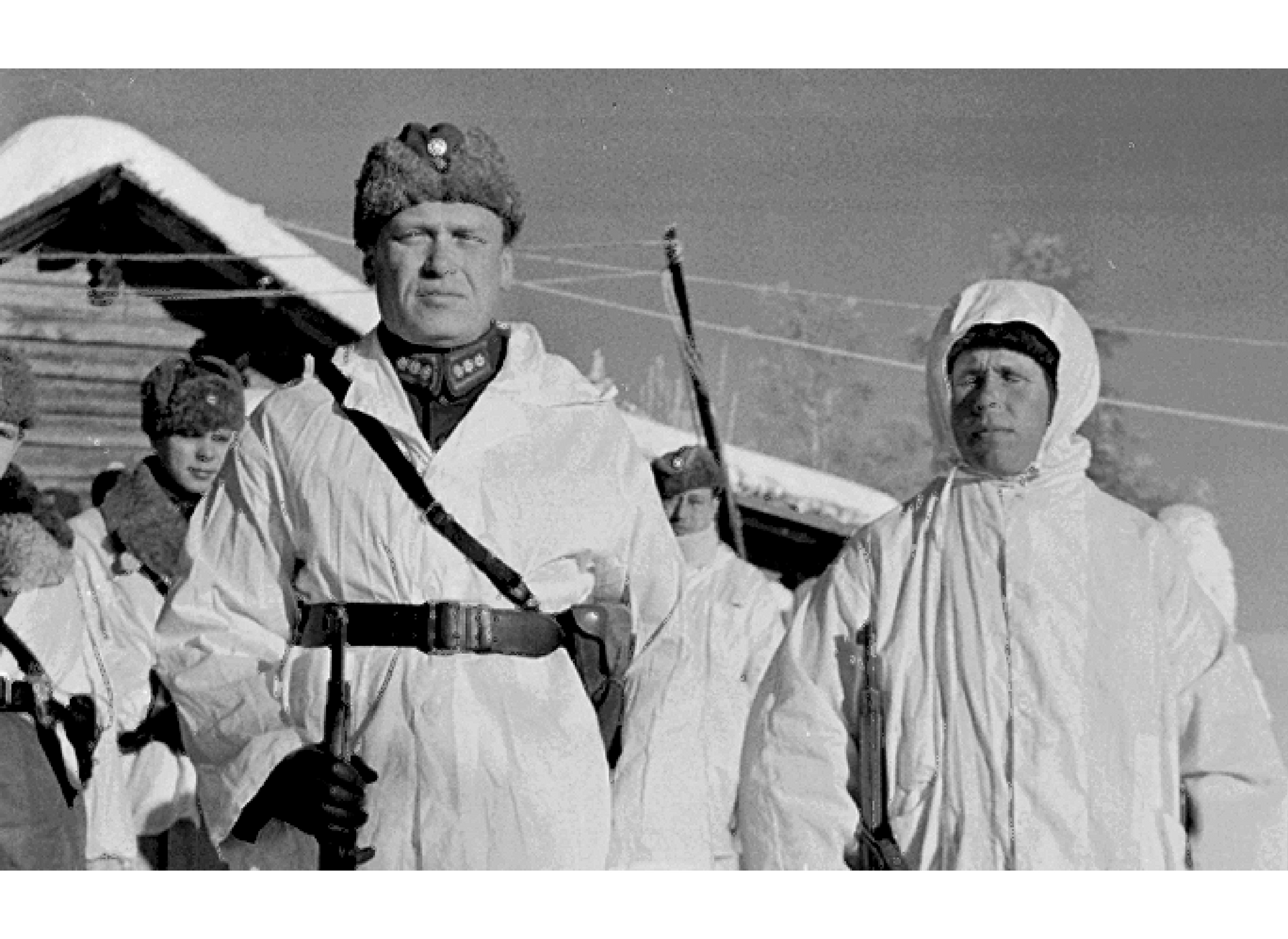
Simo Häyhä wasn’t a giant. He stood maybe five-foot-three. But by the time the Winter War of 1939 ended, the Soviet Red Army had a name for the tiny Finnish farmer that still gives historians chills: Belaya Smert. The White Death.
If you’ve spent any time in military history forums, you’ve seen the number. 505. Sometimes it’s 542. People treat these figures like gospel, but honestly, the truth behind the white death kill count is a messy mix of frozen reality and wartime desperation.
The Winter War lasted only 105 days. Think about that. To hit those numbers, Häyhä had to be dropping five men a day, every single day, in a landscape where the sun barely bothers to show up. It was -40 degrees. Your breath turns to ice instantly. Yet, there he was, lying in the snow with a handful of slush in his mouth so the steam from his breath wouldn't give him away.
The Numbers Game: How Many Did He Actually Hit?
Let's look at the "official" records because they don't all agree. Military chaplain Antti Rantamaa kept a diary during the conflict. He tracked the kills of the 6th Company of Infantry Regiment 34. In his notes, he credited Häyhä with 259 confirmed sniper kills.
But wait.
On February 17, 1940, Häyhä’s division commander, Antero Svensson, awarded him an honorary rifle. At that ceremony, the official count was 219. So where does the 500+ number come from?
Basically, it’s a combination of two things: his work as a sniper and his work as a squad leader with a submachine gun.
- Rifle Kills: Most historians lean toward 200 to 259 "confirmed" sniper kills with his M/28-30 Mosin-Nagant.
- Submachine Gun Kills: He was also deadly with a Suomi KP/-31. Many accounts suggest he took down an equal number of Soviets—another 200 or so—during close-quarters skirmishes.
When you mash those together, you get the legendary 500+ figure. Some people get weirdly defensive about this, acting like 200 kills isn't "enough" to be a legend. It’s plenty. Especially when you realize he didn't even use a scope.
Why No Scope?
Most snipers want all the glass they can get. Not Simo. He used iron sights.
Why? Because glass reflects sunlight. One tiny glint and a Soviet counter-sniper puts a bullet in your head. Also, in the Finnish winter, telescopic sights fogged up or cracked in the extreme cold. By sticking to iron sights, Häyhä kept his head lower to the ground. He was a smaller target. He was basically a part of the snowdrift.
He didn't just hide; he engineered his position. He would pour water onto the snow in front of his rifle so the muzzle blast wouldn't kick up a cloud of powder and reveal his location. That’s not just "good aim." That’s high-level survival instinct.
Propaganda vs. Reality
We have to talk about the Finnish government. They needed a hero.
The Soviet Union had 500,000 troops. Finland was outnumbered and outgunned. The story of a humble farmer picking off dozens of invaders a day was the perfect morale booster. It’s possible—kinda likely, actually—that the numbers were polished for the newspapers.
But here’s the thing: in 2017, a private memoir written by Häyhä himself was discovered. He called it his "Sin List." In it, he estimated his total count was around 500. He wasn't bragging. He was just a man who had done a job and was tallying the weight of it.
A Day at the Front
Imagine December 21, 1939. This was his "best" day. He reportedly took down 25 men.
The Soviets were often poorly led at the start of the war. They marched in straight lines down forest roads. They wore dark green uniforms that stood out like sore thumbs against the white Finnish landscape. They were cold, they were hungry, and they were walking into a meat grinder.
Häyhä would find a spot and wait. He'd wait for hours. No movement. No sound. Just the click of the bolt.
The End of the Run
It couldn't last forever. On March 6, 1940, his luck ran out.
A Soviet soldier spotted him and fired an explosive bullet. It hit Häyhä in the lower left jaw. It basically blew half his face off. His comrades found him and said "half his head was missing," but he was still alive. He fell into a coma and woke up on March 13—the very day the peace treaty was signed.
He survived, but the war was over for him. He spent the next several decades undergoing dozens of surgeries to reconstruct his face.
What We Can Learn from the White Death
Simo Häyhä lived to be 96. He spent his later years hunting moose and breeding dogs. When people asked if he felt guilty about the white death kill count, he’d just say, "I did what I was told to do, as well as I could."
There's no grand mystery here. Just a man who knew his land and knew his rifle.
If you're looking for the "true" number, you're probably never going to find it. Documentation in the middle of a frozen forest while being shelled by artillery is notoriously poor. But whether it was 200, 500, or 700, the impact was the same. He became a psychological weapon that the Soviets couldn't counter.
Actionable Insights for History Buffs
- Look beyond the headline numbers: In military history, "confirmed kills" often require a third-party witness, which is nearly impossible for a lone-wolf sniper in a blizzard.
- Study the gear: The M/28-30 rifle was a masterpiece of Finnish engineering, specifically tuned for the cold. It wasn't just the man; it was the tool.
- Respect the context: The Winter War was a unique conflict. The terrain and weather played as big a role as the bullets.
If you want to understand the reality of the Winter War, stop looking for a single number. Instead, look at the logistics of surviving a Finnish winter. That’s where the real story lives. The count is just a shadow of the struggle.
To dig deeper into the actual military records, search for the Kollaa River battle reports or pick up The White Sniper by Tapio Saarelainen. He interviewed Häyhä dozens of times and provides the most nuanced look at the man behind the myth.