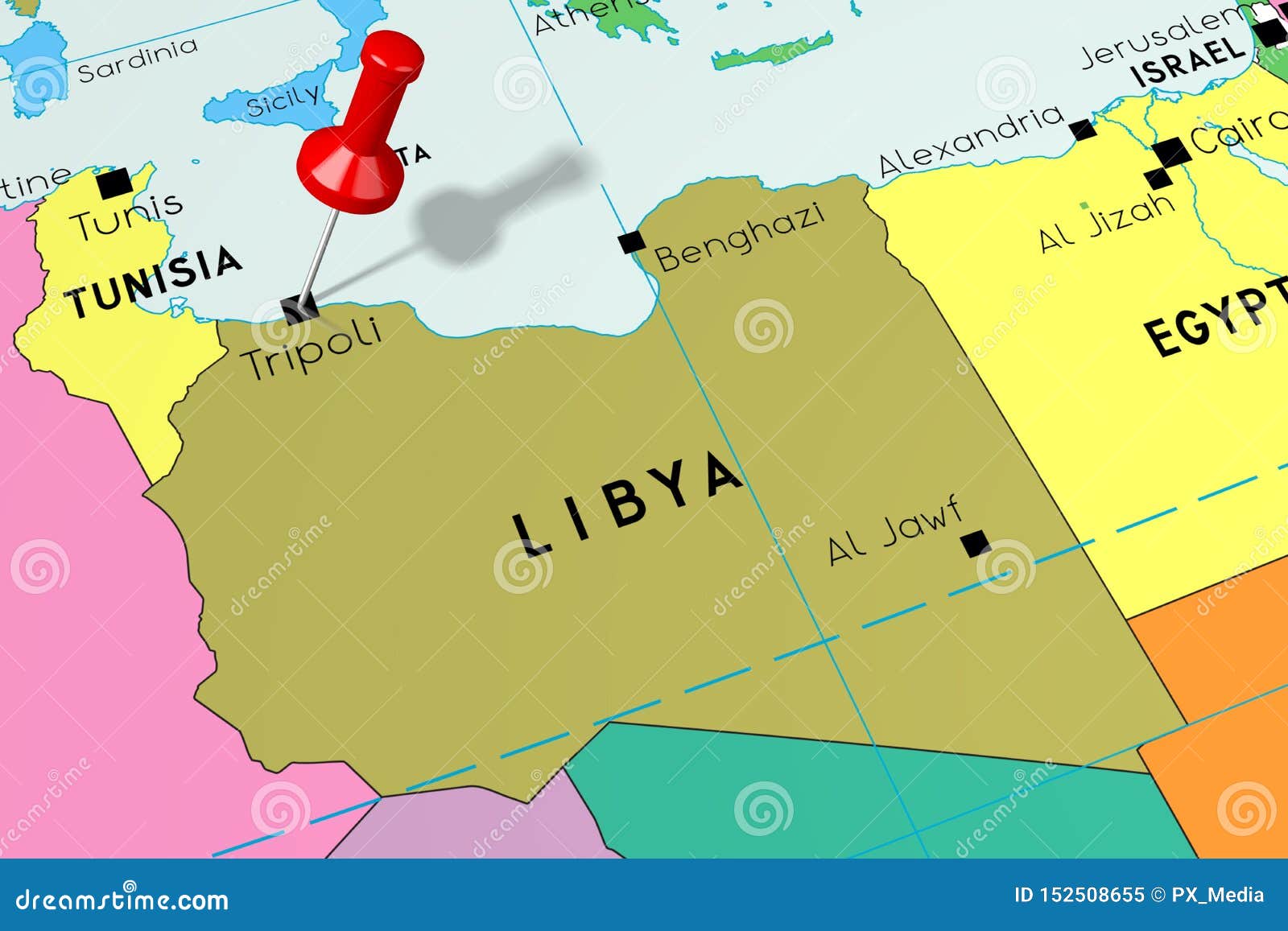
You’ve probably heard it called the "White Bride of the Mediterranean." It sounds poetic, right? But honestly, if you’re looking into what Libya capital city is and why it matters, you’re going to find a place that is far more complicated than a simple nickname. Tripoli—or Tarabulus al-Gharb if you want to be formal about it—is a massive, sprawling coastal metropolis where Roman arches sit just a short walk from Italian colonial villas and Ottoman-era clock towers.
Tripoli isn't just the seat of government. It’s the pulse of the country.
Most people get it confused with Tripoli in Lebanon. Don't do that. Libya's version is the heavyweight. It’s the largest city in the nation, home to over 1.1 million people as of 2026, and it sits right on the edge of the desert, clinging to the rocky Mediterranean coast like it’s trying to stay cool.
The layers of Tripoli: More than just a name
When you ask about what Libya capital city represents, you’re asking about a timeline that stretches back to the 7th century BC. The Phoenicians started the whole thing. They called it Oyat. Later, the Greeks showed up and called it Oea. Eventually, the Romans lumped it in with two other cities (Sabratha and Leptis Magna) and called the region "Tripolitania"—which literally means "the three cities."
If you walk through the old Medina today, you can actually see the Arch of Marcus Aurelius. It’s the only standing Roman monument left in the city. It’s weirdly sunken into the ground because the modern street level has risen so much over the last 2,000 years. It’s like the city is literally growing on top of its own ghost.
Life in the "White Bride"
The city got its "White Bride" nickname because of the white stone architecture that gleams under the North African sun. But the vibe changes depending on which block you're on. One minute you’re in the narrow, winding alleys of the Medina where the smell of spices and the sound of coppersmiths hitting metal is everywhere. The next, you’re in a wide Italian-style boulevard that feels like a dusty version of Naples.
Basically, Tripoli is a mix of three worlds:
- The Medina: The walled ancient heart. It's crowded, loud, and perfect for getting lost.
- The Italian Quarter: Built during the colonial era. Think big piazzas and Mediterranean shutters.
- The Modern Hub: High-rises, the Tripoli Tower, and the administrative buildings where the Government of National Unity (GNU) currently tries to keep the gears turning.
Why Tripoli is the capital of Libya (it wasn't always a given)
Geography is destiny here. Tripoli has one of the best natural harbors in North Africa. This made it a target for everyone—Spanish knights, Ottoman pashas, Barbary pirates, and eventually the Italians.
After Libya got its independence in 1951, the country actually had two capitals: Tripoli and Benghazi. It was a way to keep the two main regions happy. But over time, Tripoli won out. It had the infrastructure. It had the central bank. It had the "Red Castle" (Assaraya al-Hamra), which has been the seat of power for centuries.
If you visit the Red Castle today—which finally reopened its national museum sections in late 2025 after being closed for over a decade—you’ll see the layers of history. There are even old Italian race cars and a Volkswagen Beetle that belonged to Gaddafi sitting near Roman statues. It’s surreal.
The 2026 Reality: Is it safe to visit?
I’ll be real with you: Tripoli is currently a "proceed with extreme caution" kind of place. Most Western governments still have "Do Not Travel" advisories in place.
However, things are shifting. In early 2026, we’ve seen a slight uptick in "adventure tourism." An e-visa system launched in 2024 has made it easier to get in, and the National Museum is officially back in business. You’ll still see armed groups in certain districts, and the political situation is, well, "fragile" is a nice way to put it. There’s a rival government in the east, but Tripoli remains the international gateway.
Practical things for the curious traveler:
- Money: Everything runs on the Libyan Dinar. Credit cards? Forget about them. You need cash, and you’ll likely be using the "black market" exchange rate rather than the official bank rate to get a fair price.
- Getting around: Mitiga International Airport is the main hub. It used to be a military base, which explains the vibe.
- Food: You have to try Mbakbaka. It’s a spicy, one-pot pasta that is basically the national soul food. It's heavy, hot, and usually eaten with a group.
What most people get wrong about the capital
There’s a misconception that Tripoli is just a desert outpost. It’s not. It’s a Mediterranean city through and through. The Corniche (the waterfront road) is where everyone hangs out at night. People drink coffee, smoke shisha, and watch the waves. It feels more like Marseille or Alexandria than Riyadh.
Also, people think the history is just "Islamic" or "Arab." In reality, the Berber (Amazigh) roots are incredibly deep. You’ll see the Tifinagh script on some signs, and the local dialect is a unique blend of Arabic, Italian, and Berber words.
Actionable insights for your Tripoli research
If you're planning a trip or writing a report on what Libya capital city is like right now, keep these points in mind:
- Check the E-Visa status: As of 2026, the online portal is the only reliable way for foreigners to apply. Don't rely on the old embassy mail-in process.
- Hire a local fixer: You cannot navigate Tripoli as a solo tourist right now. It’s not just about safety; it’s about navigating the checkpoints and knowing which neighborhoods are "quiet" on any given day.
- Focus on the Medina: If you only have one day, spend it in the Old City. The Gurgi Mosque and the House of Yusuf Karamanli offer the best architectural bang for your buck.
- Monitor the UN talks: The status of the city changes based on the political negotiations between the Tripoli-based GNU and the eastern factions. Before booking anything, check the latest updates from UNSMIL (United Nations Support Mission in Libya).
Tripoli is a city that has survived being burned, blockaded, and bombed, yet it still stands as the "Mermaid of the Mediterranean." It’s a place where you can see a 2,000-year-old Roman arch and a modern glass skyscraper in the same 360-degree turn. It’s chaotic, it’s beautiful, and it’s definitely not boring.