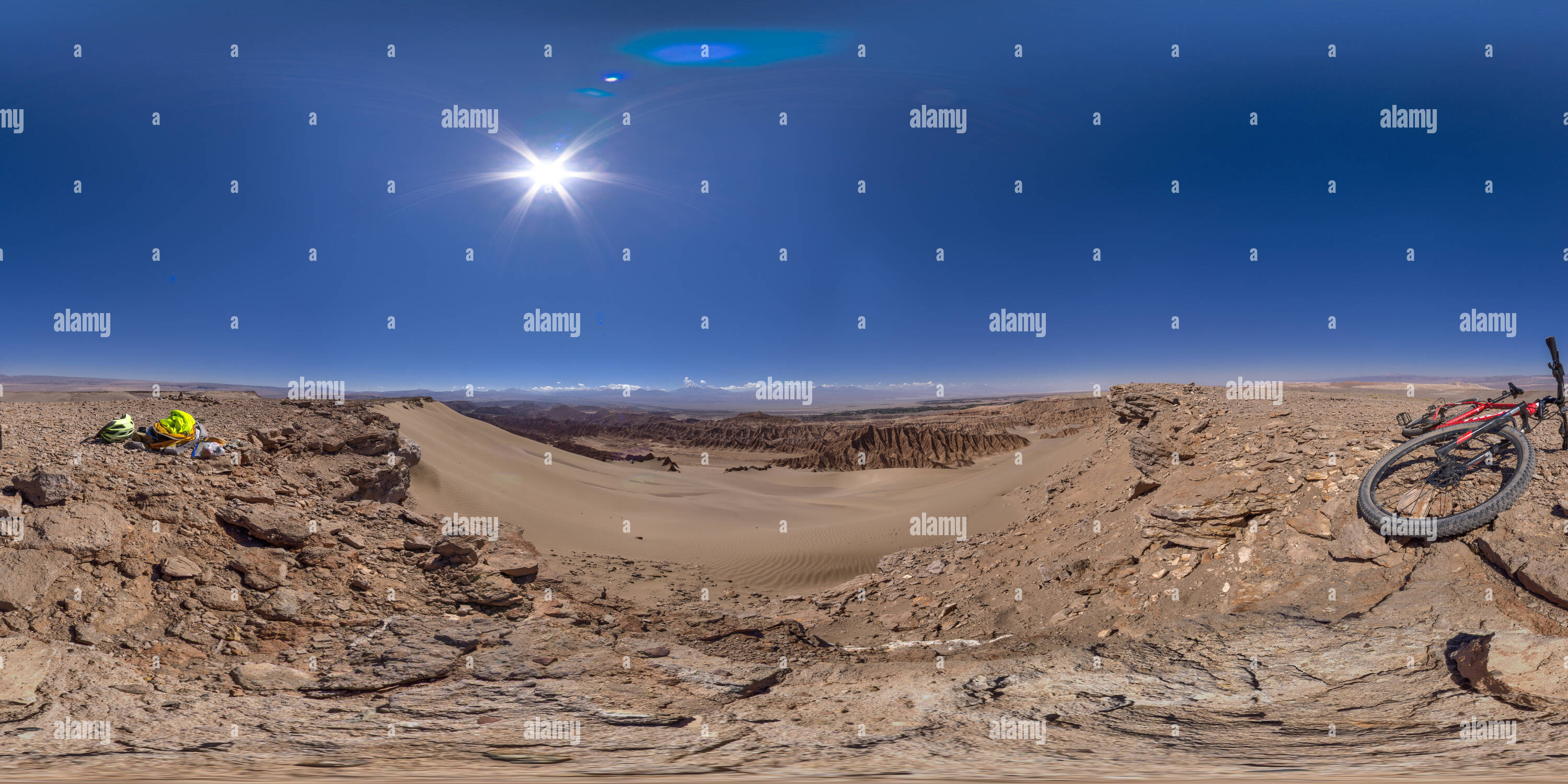
It is hot. Not "beach day" hot, but the kind of heat that feels like a physical weight pressing against your chest the moment you step out of an air-conditioned car. Death Valley, or Valle de la Muerte California, is a place of extremes that honestly defies logic. You’ve got salt flats that look like snow, sand dunes that sing when the wind hits them just right, and a basin that sits 282 feet below sea level.
People come here expecting a wasteland. They find a cathedral.
Most tourists make the mistake of treating this National Park like a quick drive-through photo op on the way to Vegas. That’s a mistake. If you don't respect the geography, the Mojave Desert will remind you very quickly why it earned its morbid name.
The Reality of Badwater Basin and the Heat Myth
Let’s talk about the temperature because everyone asks about it. Yes, it’s the hottest place on Earth. In July 1913, the thermometer hit 134°F (about 56.7°C) at Furnace Creek. Some modern meteorologists argue about the calibration of that 1913 reading, but even the undisputed recent records of 130°F make the point clearly enough. You can’t breathe normally in that. It’s like inhaling a hairdryer.
Badwater Basin is the main event. It’s a massive expanse of sodium chloride. Basically, it's a giant salt crust. When you stand out there, you are at the lowest point in North America. Look up at the cliffs behind you, and you’ll see a tiny white sign nestled high on the rock face. It marks sea level. It is jarring to realize how much earth is technically "above" you while you're standing on solid ground.
Rain is a rare guest here. The average is less than two inches a year. But when it does rain? Total chaos. Because the ground is baked hard like concrete, the water doesn't soak in. It runs. Flash floods in Valle de la Muerte California have literally rearranged the landscape, carving out new canyons and tossing boulders the size of SUVs across the road. In 2022, a massive storm trapped a thousand people and buried cars in debris. It’s a dynamic, living place, not a static desert.
Why the "Sailing Stones" of Racetrack Playa Are No Longer a Mystery
For decades, people lost their minds over the Racetrack Playa. You’d see these heavy rocks—some weighing hundreds of pounds—with long, winding trails behind them in the dry mud. No footprints. No tire tracks. Just stones that seemed to move by themselves.
Conspiracy theorists loved it. Aliens? Magnetic fields?
The truth was found in 2014 by Richard Norris and James Norris. They actually caught it on camera. It turns out you need a very specific "perfect storm" of conditions. First, the playa has to fill with a shallow layer of water. At night, that water freezes into a thin sheet of "windowpane" ice. When the sun comes up and the ice begins to melt and break into panels, a light breeze is enough to push those ice sheets against the rocks. The rocks slide on the slick mud beneath, propelled by the moving ice.
It's subtle. It's slow. And it’s completely natural.
Exploring the Colors of Artist’s Drive
If you drive a few miles north of Badwater, you hit Artist’s Drive. This is a nine-mile one-way loop that winds through hills that look like someone spilled a giant palette of oil paints.
The colors are real. They aren't a camera trick.
What causes the colors?
- Green and Blue: This comes from the oxidation of mica and chlorite.
- Pink and Red: That’s iron oxide, basically rust, occurring in the volcanic ash.
- Yellow: Limonite.
- Purple: Manganese.
The best time to see this is late afternoon. When the sun starts to dip, the shadows stretch out and the saturation of the minerals just pops. If you go at high noon, the harsh light washes everything out and it just looks like dusty brown dirt. Timing is everything in Valle de la Muerte California.
The Ghost Towns and Human History
People actually tried to live here. It sounds insane, but the lure of silver, gold, and borax was stronger than the fear of dehydration.
Rhyolite is the most famous ghost town nearby, technically just over the border in Nevada but part of the Death Valley experience. In 1907, it had electric lights, hotels, and even a stock exchange. By 1920, it was empty. You can still see the "Bottle House," built by a miner named Tom Kelly out of 50,000 beer and liquor bottles because wood was too expensive to ship in.
Then there’s the Borax history. You’ve probably seen the "20-Mule Team" boxes in the grocery store. That started here. Borax was the "white gold" of the desert, used for everything from laundry soap to glass making. The teams were actually 18 mules and two horses, pulling massive wagons across 165 miles of desert to the nearest railroad. It was a brutal way to make a living.
Surprising Biodiversity: The Pupfish
You wouldn't think anything could survive in water that's saltier than the ocean and hits 93°F, but the Salt Creek Pupfish does it. These tiny, iridescent blue fish are evolutionary miracles. They are "relict" species—leftovers from a time when Death Valley was a massive prehistoric lake called Lake Manly.
As the lake dried up over thousands of years, these fish were trapped in tiny pockets of water. They adapted. They can handle salinity that would kill almost any other fish on the planet. You can see them from a wooden boardwalk at Salt Creek, but only in the spring. By summer, the creek mostly dries up, and they retreat into the underground aquifers to wait it out.
Practical Tips for Not Dying
This isn't a joke. People die in Valle de la Muerte California because they underestimate the environment. Usually, it's not the "desert" that kills them—it's their car breaking down or a GPS sending them down a "shortcut" that turns out to be a washboard track meant for high-clearance 4x4s.
First off, your phone will not work in most of the park. Download offline maps. Better yet, buy a paper map at the visitor center in Furnace Creek. If your car breaks down, stay with the vehicle. It provides shade and is much easier for search and rescue to spot than a person wandering into the scrub.
Carry more water than you think you need. The rule of thumb is one gallon per person, per day. If you’re hiking, double that. And don't just drink water; you need electrolytes. If you're sweating out all your salt and only drinking plain water, you can actually give yourself water intoxication (hyponatremia), which is dangerous. Eat some salty pretzels.
The Best Places to Catch a Sunset
Zabriskie Point is the cliché for a reason. It looks over the "badlands"—eroded, golden-colored ridges that look like the skin of an ancient elephant. When the sun hits the peaks, it’s spectacular.
However, if you want something a bit more quiet, head to the Mesquite Flat Sand Dunes. The dunes aren't the highest in the park (that's Eureka Dunes, which are a pain to get to), but they are the most accessible. At dusk, the sand turns a deep orange, and the shadows of the ripples become incredibly sharp. Just watch where you step; sidewinder rattlesnakes are out there, though they usually want nothing to do with you.
Seeing the Stars Like Never Before
Death Valley is a Gold Tier International Dark Sky Park. Because it's so far from major cities like LA or Las Vegas, the light pollution is almost non-existent.
If you go during a new moon, the Milky Way isn't just a faint smudge. It's a bright, textured ribbon across the sky. You can actually see the "Great Rift," the dark clouds of dust that block the stars in the center of our galaxy. It makes you feel very small, which is kind of the whole point of coming here.
How to Plan Your Trip to Valle de la Muerte California
If you're coming from Los Angeles, it’s about a four-hour drive. From Las Vegas, it's closer to two and a half.
Winter (December to February): This is the best time for hiking. The days are crisp and cool, maybe 60°F or 70°F. The nights can drop below freezing, so bring a real jacket.
Spring (March to early April): This is peak season. If there was a wet winter, you might get a "Superbloom" where the desert floor is covered in yellow Desert Gold wildflowers. It's rare, but incredible.
Summer (June to September): Don't hike. Seriously. Just don't. Drive to the viewpoints, take your photos, and get back in the AC. Most of the higher-elevation trails like Telescope Peak are okay in summer, but the valley floor is a furnace.
Actionable Next Steps
To make the most of your visit to Valle de la Muerte California, start with these specific moves:
- Book Accommodation Early: If you want to stay inside the park at The Oasis at Furnace Creek or Stirrup Ranch, book 6-12 months in advance. Spots fill up fast, especially in spring.
- Check the Vehicle: Ensure your tires have good tread and your cooling system is flushed. The climb out of the valley (especially toward Townes Pass) is a notorious car-killer that causes engines to overheat.
- Pack a Real Cooler: Plastic water bottles in a hot car will reach tea temperatures in an hour. Get a high-quality insulated cooler and fill it with ice at the last town before you enter the park (like Pahrump or Lone Pine).
- Visit the Visitor Center First: Talk to the rangers at Furnace Creek. They have the most up-to-date info on road closures and weather alerts that your phone won't show you.
- Download the NPS App: Make sure you select "Save this park for offline use" so you have the maps and trail guides when your bars disappear.
Death Valley isn't just a place of death; it's a place of incredible, resilient life and geology that looks like it belongs on another planet. Treat it with respect, and it’ll be the most memorable trip you ever take.