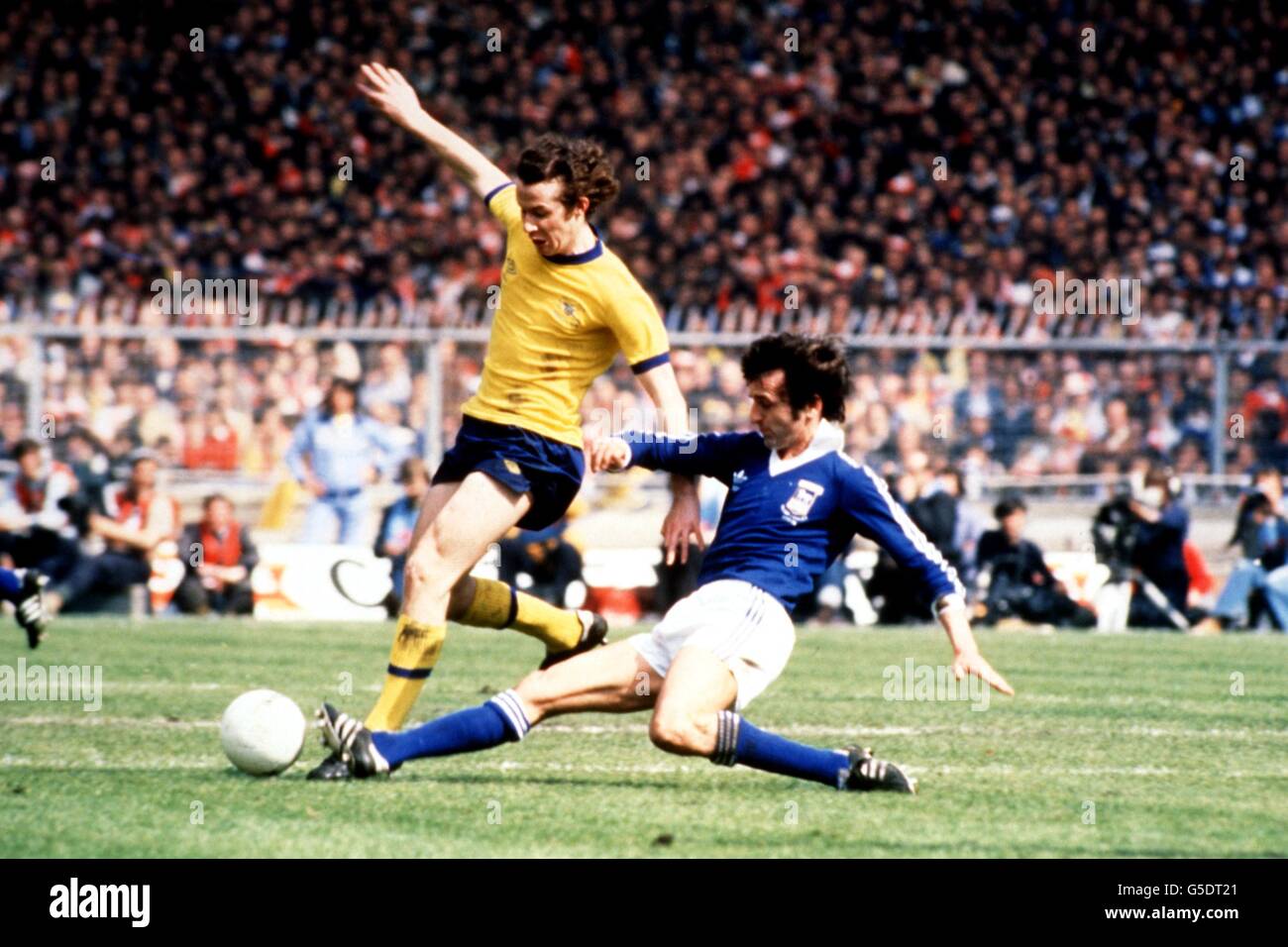
The magic is real. Seriously. If you’ve ever watched a group of part-time plumbers and school teachers celebrate like they’ve won the World Cup because they just tackled a millionaire superstar into the mud, you’ve seen the soul of this tournament.
So, what is FA Cup in soccer?
At its most basic level, it’s the oldest national football competition in the world. It’s a knockout tournament. You lose, you're out. No second chances. But calling it just a "tournament" is like calling the Mona Lisa a "sketch." It started in 1871, which, if you’re doing the math, means it’s been around since before the telephone was patented. It is the great equalizer of English football, where the tiny village teams get a literal shot at the giants of the Premier League.
How the FA Cup actually works (It's messy)
Unlike the structured, sleek leagues you see on TV, the FA Cup is chaotic. It involves every single team in the top ten levels of the English football pyramid. We’re talking about 700+ clubs.
The big dogs—the Manchester Citys and Liverpools of the world—don't show up until the Third Round Proper in January. Before they even lace up their boots, hundreds of "non-league" teams have been hacking it out in the qualifying rounds since August. Imagine playing a game in front of 50 people on a field that’s mostly sand and goose poop, just for the dream of eventually playing at Wembley Stadium.
The Draw: Pure Luck
One of the weirdest and best things about the FA Cup is that there is no seeding. In the Champions League or the World Cup, they try to keep the big teams apart. Not here. In the FA Cup, the names are drawn out of a velvet bag (or a plastic drum nowadays). If Manchester United gets drawn against Arsenal in the first week they enter, that’s just tough luck. Someone is going home early.
This "randomness" is exactly why we get "Giant Killings."
When people ask what is FA Cup in soccer, they are usually asking about the upsets. Take Hereford United in 1972. They were a tiny non-league side playing against Newcastle United, a massive top-tier club. Ronnie Radford hit a 30-yard screamer in the mud, the fans stormed the pitch in parkas, and a legend was born. That’s the "Magic of the Cup." It’s the idea that for 90 minutes, money and fame don't mean a thing.
Why the FA Cup is different from the Premier League
The Premier League is a marathon. It’s about who has the deepest squad and the most money over 38 games. It’s predictable. You kind of know who’s going to be in the top four by Christmas.
The FA Cup? It’s a sprint through a minefield.
- Knockout Format: In the league, you can draw or lose and make it up next week. In the Cup, one bad refereeing decision or one lucky bounce and the favorite is out.
- The Venue: Until very recently, if a game ended in a draw, you’d go back to the other team's stadium for a "replay." Imagine a billion-dollar squad having to travel to a tiny stadium in the middle of nowhere on a Tuesday night because they couldn't win at home. It’s a nightmare for the big clubs and a lottery win for the small ones.
- Wembley: The final is always played at Wembley Stadium in London. For an English player, "walking out at Wembley" is the pinnacle of a career.
The money, the glory, and the "B-Team" controversy
Honesty time: the FA Cup has lost a little bit of its shine for the absolute top clubs.
Because the Premier League is worth billions in TV rights and the Champions League is where the global prestige sits, managers like Pep Guardiola or Jurgen Klopp often rest their best players during the early rounds of the FA Cup. You’ll see a "B-Team" full of 18-year-olds.
Fans hate it.
But even a "weakened" top-tier side is usually better than a lower-league team. Usually. Just ask Wigan Athletic, who beat a massive Manchester City side in the 2013 final. Wigan actually got relegated from the Premier League that same year, but they still have that trophy in the cabinet. It proves that the Cup doesn't care about your league standing.
A quick look at the history
The first-ever final was held at Kennington Oval in 1872. Wanderers FC beat Royal Engineers 1-0. Back then, players wore long pants and smoked pipes at halftime (okay, maybe not the pipes, but the vibes were definitely different).
The trophy itself is iconic. There have actually been four versions of it. The first one, the "little tin idol," was stolen from a shop window in Birmingham in 1895 and never seen again. Legend says it was melted down to make counterfeit coins. The one they lift today is a 2014 replica of the 1911 design, because the old ones were getting too fragile from all the celebrating.
Is it just for English teams?
Technically, yes, it's the "Football Association" Challenge Cup, and the FA governs English football. However, a few Welsh teams like Cardiff City, Swansea City, and Newport County play in the English league system. Cardiff City actually won the thing in 1927. They remain the only team to take the trophy out of England.
Every year, there’s a debate about whether the FA Cup "still matters."
Modernists say it’s a distraction. They say it clutters the schedule. But ask a fan of a League Two club what it means to draw Liverpool away. It’s not just a game; it’s a financial lifeline. The ticket sales from one big FA Cup game can fund a small club for an entire season. It keeps the ecosystem of the sport alive.
Key things to remember about the FA Cup
If you're explaining this to someone who only watches the World Cup or the Super Bowl, just tell them it's the ultimate "Pro-Am" vibe.
- The prize: It’s not just a trophy. The winner gets a spot in the UEFA Europa League. This is huge for mid-table teams who would never qualify for Europe otherwise.
- The "Minnows": This is the term for the small teams. Seeing a "Minnow" swallow a "Shark" is the whole point of the tournament.
- No replays (mostly): To save players from exhaustion, the FA has recently started scrapping replays from the first round onwards. It’s controversial. Small clubs love replays because of the extra TV money, but big clubs want them gone.
Honestly, the FA Cup is about the stories. It's about Sutton United’s goalkeeper eating a meat pie on the bench during a game against Arsenal. It's about the "Pink Elephant" hats and the tin-foil trophies fans make in their garages. It's the one time of year when the hierarchy of soccer is ignored, and for 90 minutes, anything can happen.
How to follow the FA Cup like a pro
If you really want to understand what is FA Cup in soccer, don't just watch the final. The final is often a cagey, nervous affair between two big teams.
Start watching in November and December during the first and second rounds. Look for the games where the pitch looks like a ploughed field and the stadium only has one stand. That’s where the "real" soccer happens. Keep an eye on the "Non-League" teams—those are the guys who have day jobs as plumbers or accountants and are playing the game purely for the love of it.
Check the "Third Round Proper" draw in early December. That is the most exciting day of the tournament for most fans. It’s when the Premier League teams enter the hat. If a tiny team like Maidstone United (who had a legendary run in 2024) draws a giant at home, that becomes the biggest event in the history of that town.
To get the most out of the experience:
- Track the "Giant Killings": Every round has at least one. Search for the biggest upsets of the weekend.
- Ignore the "B-Team" talk: Even if a big club plays their reserves, those reserves are still world-class athletes. Watching a hungry underdog try to outwork them is fascinating.
- Learn the songs: "Abide With Me" is the traditional hymn sung before the final. It’s been a tradition since 1927 and it still gives people chills.
The FA Cup isn't just a soccer tournament; it's a historical monument that happens to be alive. It’s the bridge between the multi-billion dollar industry of the Premier League and the grassroots parks where the game started. If you understand the Cup, you understand why people love this sport. It’s the hope that, on any given Saturday, the underdog might actually win.