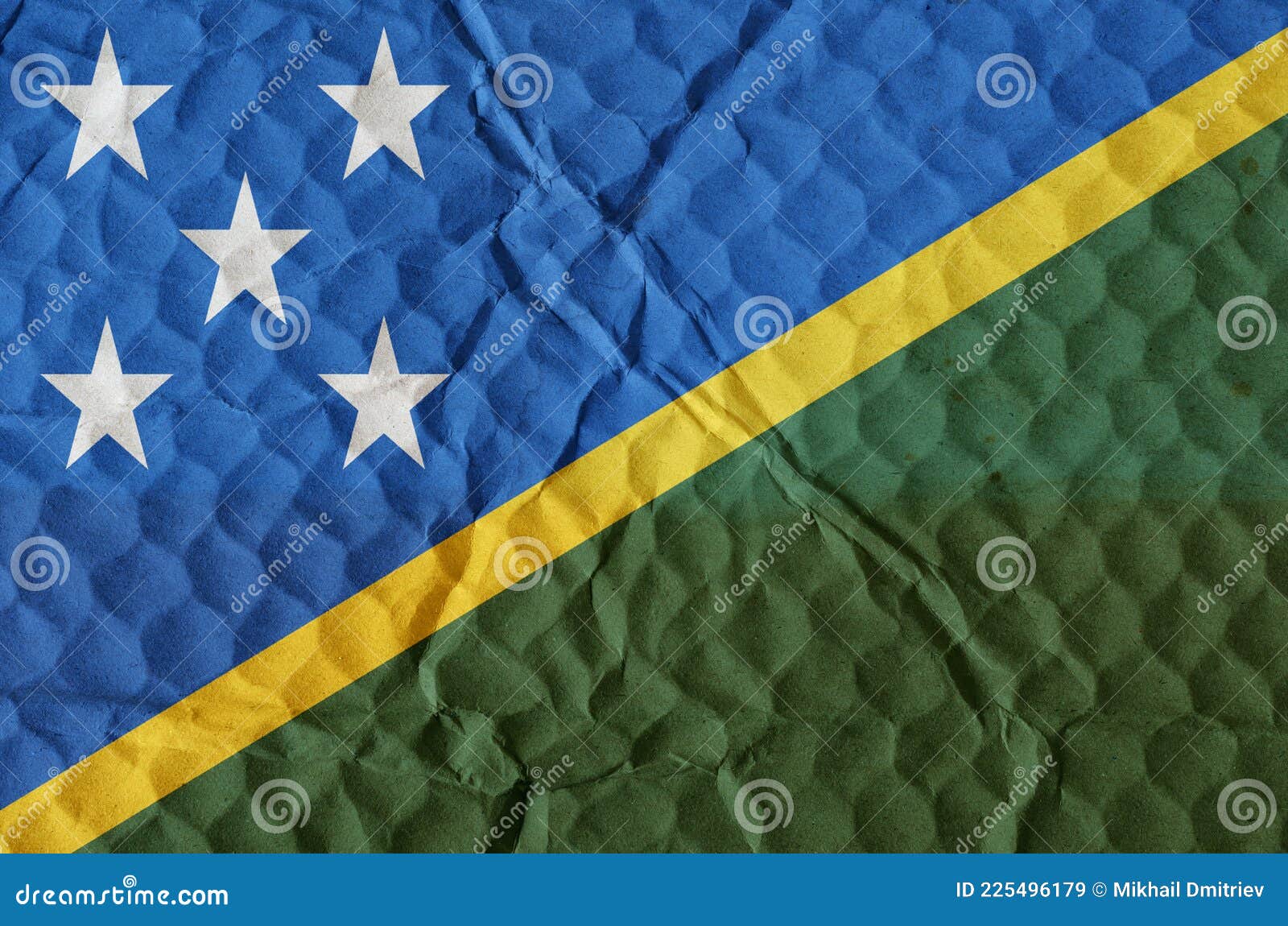
You're driving down the street or scrolling through a news feed and see it. A white and blue flag with stars snapping in the wind. Maybe it’s got a single big star. Maybe it’s a cluster of tiny ones. Or maybe they are arranged in a circle that makes you feel like you should remember something from tenth-grade history class but the memory just isn't there.
Honestly, it’s one of the most common color palettes in vexillology. Blue stands for vigilance or the sky; white stands for peace or purity. Throw some stars on there—representing states, islands, or divine guidance—and you’ve got a classic. But because so many countries and regions use this exact combo, it’s incredibly easy to get them mixed up. If you're trying to identify a specific one, you have to look at the layout. The "where" and "how" of those stars tell the whole story.
The Big One: Honduras and Its Five Stars
If you see a flag with three horizontal stripes—blue on the top and bottom, white in the middle—with five blue stars arranged like the dots on a rolling die, you’re looking at Honduras. This is probably the most frequent "white and blue flag with stars" people search for.
Those five stars aren't just for decoration. They represent the five nations of the former Federal Republic of Central America: Costa Rica, El Salvador, Guatemala, Honduras, and Nicaragua. It’s a bit of a hopeful tribute to a union that didn't last, but the dream remains right there on the fabric. Interestingly, the shade of blue changed recently. In 2022, the Honduran government officially switched the navy blue to a lighter turquoise or "cerulean" blue. They claimed this was the original intended color, though it sparked plenty of political debate at the time.
Israel’s Magen David
Sometimes people describe the Star of David as "stars," plural, even though it's one central emblem. The Israeli flag is iconic. Two horizontal blue stripes on a white field with that hexagram in the center. It’s simple. It’s high-contrast. It’s also deeply symbolic, with the blue stripes meant to evoke the tallit, the Jewish prayer shawl.
If you see this flag flying, there’s no mistaking it for a Caribbean island or a Pacific territory. It’s strictly national and religious in its roots.
Micronesia and the Pacific Aesthetics
Now, let's talk about the Federated States of Micronesia. This one is beautiful. It’s a light blue field—kind of like the ocean it sits in—with four white stars arranged in a circle. Each star represents one of the island groups in the federation: Chuuk, Pohnpei, Kosrae, and Yap.
It's minimalist.
You might also stumble upon the flag of the Cook Islands. That one is a "Blue Ensign" style. It has the British Union Jack in the corner (the canton) and a circle of 15 white stars on the right side. It’s a lot busier than the Micronesian flag, but it uses that same crisp blue-and-white star motif.
The "Single Star" Variations
Sometimes, you aren't looking for a cluster. You're looking for one.
- Somalia: This is a light blue flag with a single, large white star right in the middle. It’s often called the "Somaliland" flag by mistake, but that’s a different design. The five points of the star represent the five regions where Somali people traditionally lived.
- The Bonnie Blue Flag: This one is for the history buffs. It's a dark blue flag with a single white star. While it was an unofficial banner of the Confederate States of America for a brief moment, its roots actually go back to the 1810 Republic of West Florida. You still see it today in some Southern heritage contexts, though it's far less common than the "Southern Cross."
Why Does Every State Love This Combo?
You’ve probably noticed that US state flags are the biggest offenders when it comes to the white and blue flag with stars trope. It’s basically the "uniform" of the American state flag world.
Think about Tennessee. It’s a red field, sure, but the heart of it is a blue circle with three white stars. Or look at Indiana—it has a gold torch, but it's surrounded by 19 stars on a blue field. If you’re seeing a blue background with a white star pattern, you might be looking at a "seal on a bedsheet." That’s what vexillologists (flag experts) call flags that just slap a state seal on a blue background. It’s generally considered poor design because you can’t tell what it is from a distance.
But then there’s Alaska.
Alaska’s flag is arguably the best version of this. It’s a dark blue field representing the sky and the forget-me-not flower. It features the Big Dipper and the North Star in gold (though they can look white or silver in certain lights). It was designed by a 13-year-old boy named Benny Benson in 1927. It's clean, it's recognizable, and it actually means something to the people who live there.
Is It a Nautical Thing?
Actually, yes. Often.
If you're at a marina and see a blue flag with white stars, it might not be a country at all. It could be a maritime signal or a yacht club burgee. The "Consular Flag" of the United States, for instance, is a blue flag with a large white "C" surrounded by stars.
Then there is the Navy Jack. The current U.S. Union Jack is just the blue portion of the national flag—the "blue part with stars." It has 50 stars. If you see it on a ship, it means the ship is at anchor. It’s easy to confuse this with a standalone national flag if you don't see the stripes attached.
Identifying the "Mystery" Flag
If you are still staring at a flag and can't figure it out, ask yourself these three things:
- How many stars? Five is usually Honduras. One is usually Somalia or an old secessionist banner. Four in a circle is Micronesia.
- What shade of blue? Light blue usually points to the Pacific or the United Nations. Dark navy blue usually points to North America or British-influenced territories.
- Is there a Union Jack? If there is a small British flag in the top left corner, you are likely looking at a territory like the Cook Islands or a specific state flag from Australia or New Zealand (though they often use red stars).
Flags are a language. When a country chooses a white and blue flag with stars, they are usually trying to project a sense of calm, stability, and "reaching for the heights." Whether it's the 50 stars of the US Union Jack or the lone star of Somalia, the colors do the talking before you even read the history.
Next Steps for Identification
If you're still stuck, use a visual identification tool like the "Vexilla Mundi" database or the "Flag ID" search engine. These allow you to filter by color and object (stars). Most importantly, check the context. If you're in a specific city, it might be a municipal flag. For example, the flag of Chicago is white with blue stripes and four red stars—close, but those red stars change the whole vibe. Pay attention to the star color specifically; if they aren't white, you’re in a whole different category of symbolism.