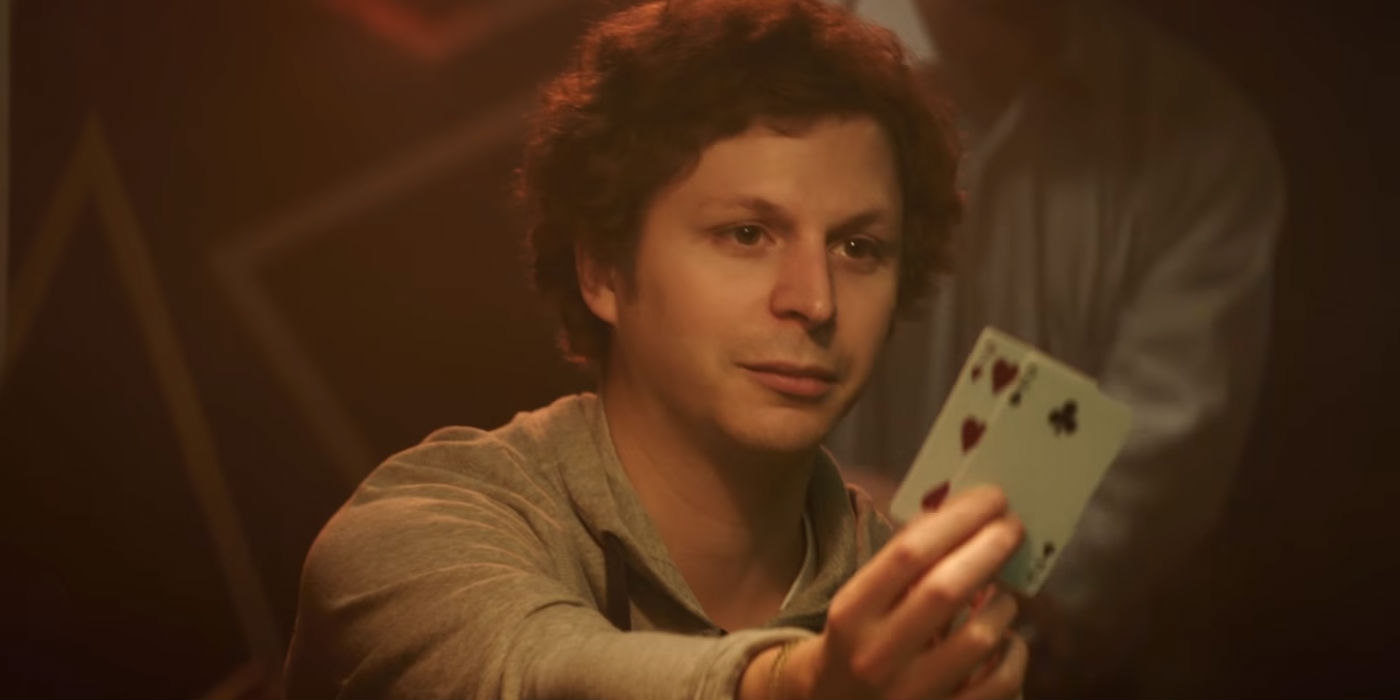
If you’ve watched Aaron Sorkin’s Molly’s Game, you probably remember the guy who single-handedly made your skin crawl. He wasn’t the "Player X" movie star archetype or the high-stakes whale. He was the guy who sat there, played terribly, smelled a bit off, and eventually burned the whole house down. Everyone wants to know who is Bad Brad in Molly's Game in real life because, frankly, he’s the most relatable villain in the story. He isn’t a criminal mastermind; he’s the guy who thinks he’s smarter than he is, right up until the handcuffs click shut.
In the film, "Bad Brad" Ruderman is portrayed by Brian d'Arcy James as a bumbling, desperate investor who loses money he doesn't have. He’s the catalyst. He’s the reason the FBI eventually starts knocking on Molly Bloom’s door. But the real story is much more clinical, much more devastating for the victims, and way less "bumbling" than the movie suggests.
The Man Behind the Moniker: Bradley Ruderman
The real "Bad Brad" was Bradley Ruderman. He wasn't just some guy who stumbled into a poker game; he was the CEO of Ruderman Capital Management. To the outside world, he was a successful hedge fund manager. To the people in Molly’s game, he was a "fish"—poker slang for a bad player who provides a steady stream of cash to the professionals and celebrities at the table.
He was a disaster.
Molly Bloom describes him in her memoir as a man who desperately wanted to belong. He used the poker game to buy friendship, or at least the illusion of it, from people like Tobey Maguire, Leonardo DiCaprio, and Ben Affleck. But here’s the kicker: the money he was losing wasn't his. He was running a classic, textbook Ponzi scheme. While he was sitting in a luxury suite at the Four Seasons or a private home in Beverly Hills, he was effectively gambling away the retirement funds and life savings of his investors.
How the Ponzi Scheme Fueled the Poker Game
Most people think the FBI caught Molly Bloom because they were targeting high-stakes gambling. That’s not quite right. They caught Molly because they followed the blood trail of Bradley Ruderman’s failing financial empire.
Ruderman’s scheme was roughly a $44 million fraud. He promised his investors massive returns, but in reality, he was using new investor money to pay off old investors—and to fund his seat at Molly’s table. Between 2006 and 2009, Ruderman lost more than $5 million in these underground games. Think about that for a second. Five million dollars of stolen money vanished into the pockets of Hollywood’s elite because one man wanted to feel like a big shot.
When the economy tanked in 2008, the house of cards collapsed. Investors wanted their money back, and Ruderman didn't have it. He had spent it on "administrative expenses," which is a fancy way of saying he spent it on buy-ins, private jets, and a lifestyle he couldn't actually afford. When he went down, he went down hard. He was eventually sentenced to 10 years in federal prison for wire fraud and investment adviser fraud.
The Lawsuits That Shook Hollywood
This is where the story gets really messy. Once Ruderman was headed to prison, a bankruptcy trustee named Ronald Richards was appointed to claw back the stolen money for the victims. This is a standard legal process, but in this case, it meant the trustee looked at where Ruderman’s money went.
It went to the poker games.
Because the games were technically "illegal" (due to Molly taking a rake, or a percentage of the pot), the trustee argued that the winnings were "fraudulent transfers." Basically, if you won money from Brad Ruderman, you were technically in possession of stolen funds. This led to a series of high-profile lawsuits against the players.
- Tobey Maguire was the biggest target. He had reportedly won over $300,000 from Ruderman. He eventually settled for a smaller amount to avoid a public trial.
- Other celebrities and wealthy businessmen were also named in the filings.
- Molly Bloom herself became a target because she had facilitated the transfer of these funds.
When you ask who is Bad Brad in Molly's Game in real life, you aren't just asking about a character. You're asking about the man who turned a private celebrity hobby into a federal investigation. If Ruderman hadn't been a fraudster, Molly might have stayed under the radar for another decade.
A Difference in Character
In the movie, Brad is depicted as somewhat pathetic but harmless—until he isn't. In reality, Ruderman's actions were predatory. He targeted family members and close friends for his Ponzi scheme. He wasn't just a "bad poker player"; he was a man who chose to gamble with other people's lives to maintain a seat at a table where he was never truly respected.
Molly noted that the other players tolerated him only because he was so bad at the game. He was a "source of liquidity." They knew if Brad was playing, someone was going home with a lot of money. It’s a cold, hard world.
The Butterfly Effect of Bad Brad
It's fascinating how one person’s desperation can ripple out. Ruderman’s bankruptcy forced the FBI to look into the nature of the games. They discovered that Molly had started taking a "rake" to protect herself against players like Brad who couldn't pay their debts. The moment she took that rake, she transitioned from "hosting a party" to "running an illegal gambling operation."
Without Brad Ruderman, there is no Molly's Game. There is no arrest in the middle of the night. There is no blockbuster movie starring Jessica Chastain.
The real Ruderman served his time and has since been released, but his name remains synonymous with the dangers of the "underground" world. He represents the "whale" that every game organizer dreams of—and every game organizer should fear. He brought the "wrong" kind of money into a room that was already skating on thin ice.
What You Should Take Away From This
If you're ever in a position where you're playing for high stakes—whether it’s in business or at a literal poker table—remember the lesson of Bradley Ruderman.
- Vetting Matters: In any high-stakes environment, the integrity of the people at the table is more important than the amount of money they bring. Molly Bloom learned the hard way that one "bad" player can compromise the entire group.
- The "Fish" Isn't Always a Gift: It’s easy to celebrate when a bad player enters the game. But if that player is losing money they don't own, that money can be clawed back by the courts years later. This is true in venture capital, real estate, and yes, poker.
- Transparency is Safety: The underground nature of the games is what allowed Ruderman to hide his losses and his fraud for so long. Sunlight is the best disinfectant.
To truly understand the story, you have to look past the Hollywood gloss. The real "Bad Brad" wasn't a comedic foil. He was a cautionary tale about ego and the devastating consequences of trying to buy your way into a circle where you don't belong.
If you want to dig deeper into the legalities of this case, look up the Ruderman Capital Management bankruptcy filings. They are a masterclass in how forensic accountants can deconstruct a life of lies. It's a reminder that in the end, the house—or in this case, the Feds—always wins.
For those looking to understand the mechanics of how these games fell apart, start by researching the specific Clawback Suits filed in 2011. They provide a line-by-line breakdown of how the money flowed from unsuspecting investors to the felt of a poker table in a luxury penthouse. It's much less glamorous than the movie, but significantly more educational.