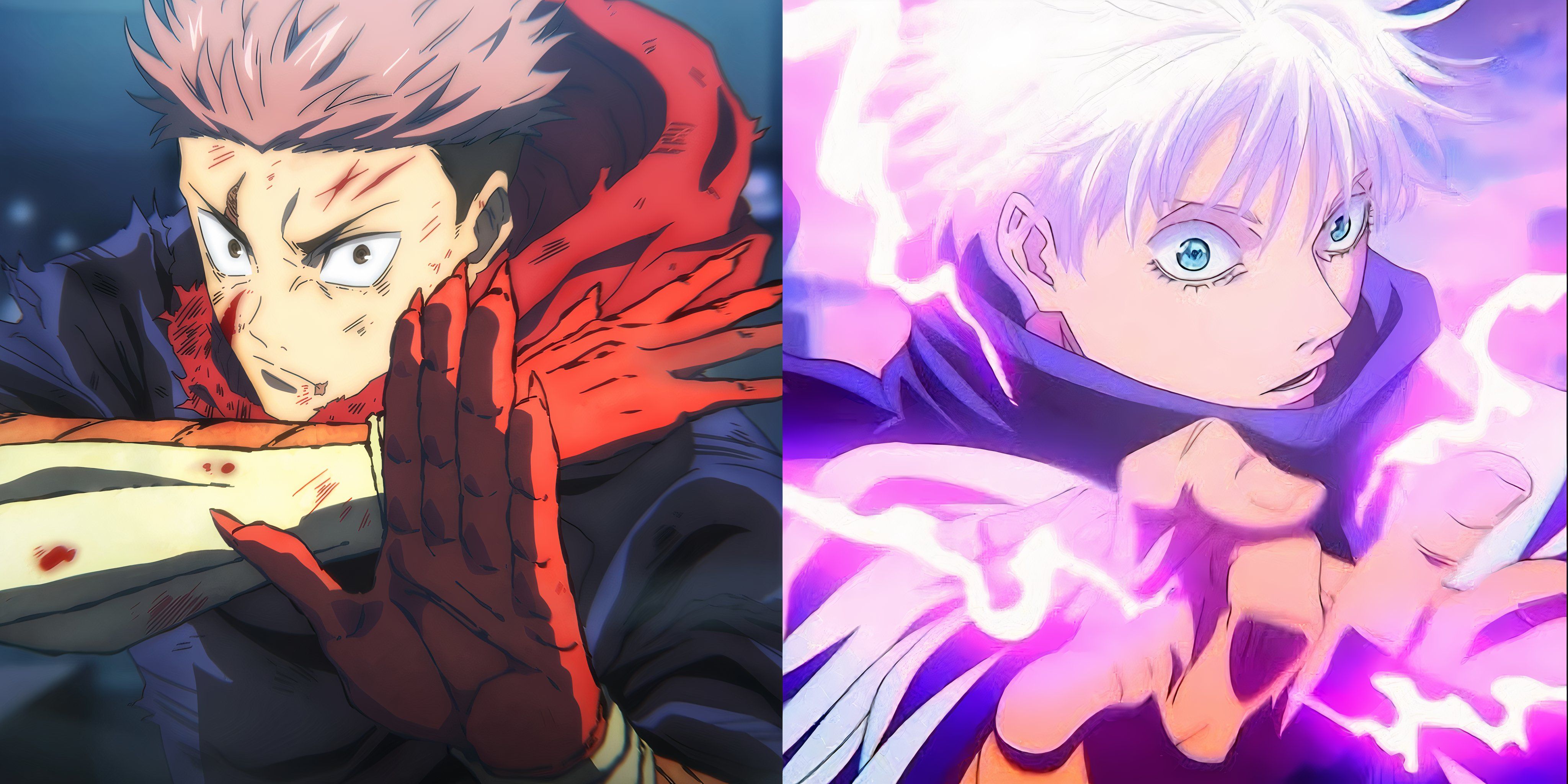
You’ve probably seen the finger. You know the one—Ryomen Sukuna’s crusty, mummified digit that started a global obsession. But when you ask who made Jujutsu Kaisen, you don't get a face. You get a cyclopean cat.
That one-eyed purple cat is the avatar of Gege Akutami. Honestly, it’s a bit of a power move. In an era where every creator is pressured to be a "brand" with a polished Instagram presence, the person behind one of the most successful media franchises on the planet remains almost entirely anonymous. We know they were born in Iwate Prefecture in 1992. We know they love Bleach and Neon Genesis Evangelion. Beyond that? It’s mostly just the work.
But "who made it" isn't just a name on a cover. It’s a massive machine involving editors at Shueisha, the animators at MAPPA, and a relentless weekly schedule that would break most people.
The Person Behind the Pen: Gege Akutami
Gege Akutami isn't a household name like Stan Lee, but in the world of manga, they are a titan. They started as an assistant to Yasuhiro Kano on Kiss x Death. That’s usually how it goes in the industry—you learn the ropes by drawing backgrounds and cleaning up someone else’s ink lines.
Akutami’s debut wasn't actually Jujutsu Kaisen. It was a four-chapter series called Tokyo Metropolitan Curse Technical School. You might know it better now as Jujutsu Kaisen 0. It was a bit darker, a bit more raw. When it caught fire, Shueisha realized they had a hit on their hands. They basically told Akutami to turn it into a full serialization.
What makes Akutami’s style stand out is the grit. Most Shonen protagonists are motivated by "friendship" or "becoming the king." Yuji Itadori? He’s motivated by a weird, heavy sense of duty regarding how people should die. It’s morbid. It’s different. Akutami leans into the "sorcerer" aspect not as magic, but as a curse. It’s a subtle shift in philosophy that changed the whole genre.
The Influence of the Big Three
If you look closely at the panels, you can see the ghosts of manga past. Akutami has been very vocal about their influences.
- Tite Kubo (Bleach): You can see this in the sharp, stylish character designs and the "cool" factor of the abilities.
- Yoshihiro Togashi (Hunter x Hunter): This is where the complex power systems come from. Cursed Energy isn't just "hit harder." It’s math. It’s logic puzzles. It’s "Heavenly Restrictions."
- Masashi Kishimoto (Naruto): The trio dynamic (Yuji, Megumi, Nobara) mirrors the Team 7 structure, though Akutami famously subverts those tropes pretty quickly.
Akutami doesn't just copy. They remix. They take the "Domain Expansion" concept—which is essentially a "Reality Marble" from the Fate series—and turn it into the ultimate tactical nuke. It’s brilliant.
The Editor’s Invisible Hand
When people ask who made Jujutsu Kaisen, they rarely mention Kohei Yamanaka or Tatsuhiko Katayama. These are the editors at Weekly Shonen Jump.
In the Japanese manga system, the editor is basically a co-pilot. They are the ones who told Akutami that the first draft of the series was too bleak. They suggested making the school setting more prominent. They are the ones who look at a character like Satoru Gojo and say, "Hey, maybe make him more iconic."
The relationship between a mangaka and an editor is high-pressure. Imagine having to turn in 19 pages of finished, high-quality art and story every single week. For years. Akutami has famously struggled with health issues because of this. There were weeks where the art in the magazine looked like rough sketches because the creator was physically falling apart. That’s the reality of who "makes" this stuff. It’s a marathon run at a sprint pace.
MAPPA and the Visual Revolution
We can’t talk about the creation of JJK without talking about the anime. While Akutami wrote the story, Sunghoo Park (Season 1 and JJK 0) and Shota Goshozono (Season 2) are the ones who made it a visual phenomenon.
MAPPA is the studio. They are controversial. They take on a lot of work. But they also hire some of the most talented freelance animators in the world.
The "Hidden Inventory" arc in Season 2 looked more like a prestige indie film than a standard battle anime. That’s thanks to the creative direction of Goshozono. He brought a cinematic flair—wide shots, fish-eye lenses, and a sense of atmosphere that Akutami’s somewhat scratchy manga art didn't always have.
So, who made the JJK you see on Netflix or Crunchyroll? A room full of overworked, brilliant animators who stayed up until 4:00 AM to make sure Gojo’s "Hollow Purple" looked like a cosmic event.
Why the Mystery Matters
Why does Akutami hide?
Partly, it’s privacy. Manga fans can be... intense. But it also lets the work speak for itself. When you don't have a face to attach to the creator, the world of Curses and Sorcerers feels more "real." You aren't thinking about a person in a studio; you're thinking about the Shibuya Incident.
It also allows Akutami to be ruthless. They are known for killing off fan-favorite characters without a second thought. If fans knew where they lived, the hate mail would be astronomical. By staying anonymous, Akutami maintains the freedom to tell a story that isn't dictated by fan service.
The Business of Curses
It's not just art. It's a billion-dollar business. Shueisha owns the rights. Toho handles the movies. There are committees.
When you buy a Satoru Gojo figurine, Akutami gets a cut, but the "who" behind the franchise expands to include marketers, toy manufacturers, and even the people running the Jujutsu Kaisen themed cafes in Tokyo.
It’s a massive ecosystem.
However, the core remains the same. One person, sitting at a desk, probably drinking too much coffee, trying to figure out how to outsmart their own characters.
What This Means for You
If you're a fan, understanding who made Jujutsu Kaisen helps you appreciate the series on a deeper level. It’s not just "cool fights." It’s the result of a specific person's obsession with horror, Buddhism, and the technicalities of shonen battle systems.
If you’re looking to dive deeper into the world Akutami built, here are a few things you should actually do:
- Read the Manga (Specifically the Culling Game): The anime is beautiful, but Akutami’s paneling in the later arcs is a masterclass in visual storytelling. The "shaky" art style adds a sense of anxiety that the clean anime lines sometimes lose.
- Watch the Interviews: Look for translated interviews with Akutami in Fanbooks. They talk about why they chose specific names for cursed techniques. It’s nerd heaven.
- Follow the Animation Credits: If you liked a specific fight scene, look up the "Sakuga" credits. You’ll find individual animators who poured their souls into 10 seconds of footage.
- Support the Official Release: The best way to respect the creator is to read on the Shonen Jump app or Manga Plus. It actually helps the person behind the cat avatar keep the lights on.
The story is ending soon. Akutami has signaled that the manga is in its final stages. Whether you love the ending or hate it, there’s no denying that the "One-Eyed Cat" changed the landscape of modern entertainment. They took a tired genre and injected it with enough bile, blood, and brilliant strategy to make it feel brand new again. That's a legacy worth more than a public face.
The reality is that "who made" this series is a combination of one person's specific vision and an entire industry's worth of labor. It's a miracle it's as good as it is.
Go watch the Shibuya arc again. Now that you know the pressure it was made under, Gojo's "Infinite Void" feels a whole lot more impressive.