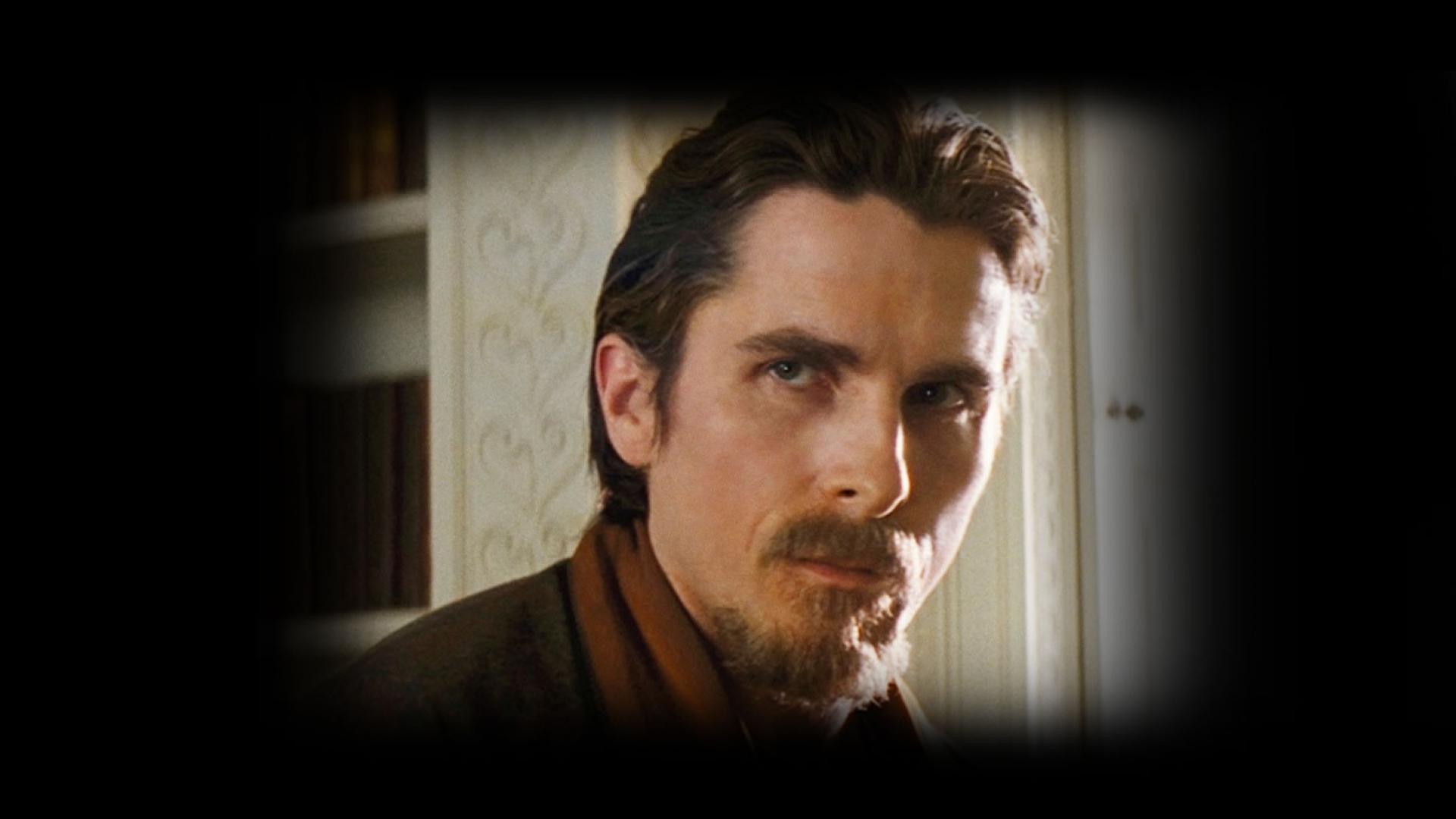
He’s broken. When we first see Bruce Wayne in The Dark Knight Rises, he isn't the slick billionaire we met in Batman Begins. He’s a recluse. He’s hobbling around a drafty mansion with a cane and a chip on his shoulder. It’s been eight years since the Joker tore Gotham apart, and Bruce has spent that time rotting in his own grief.
Honestly, it's a miracle the guy can even stand.
Christopher Nolan’s final chapter of the trilogy didn't give us a triumphant return. It gave us a man who had completely given up on being Bruce Wayne and didn't have a Batman to hide behind anymore. He was a ghost. People often complain that the middle of this movie drags, but that's where the real meat is. That’s where we see the physical and psychological toll of being a vigilante. He’s got no cartilage in his knees. His brain is probably a soup of concussions.
The story is less about punching Bane and more about a guy rediscovering why he wanted to live in the first place.
The Problem With Bruce Wayne’s Retirement
Bruce thought he could just stop. He believed the lie he and Commissioner Gordon told at the end of The Dark Knight—that Harvey Dent was a hero and Batman was the villain. He sacrificed his reputation, which was fine, but he also sacrificed his purpose.
Without the mask, he's just a guy with a lot of money and a very loyal butler.
Alfred sees it before anyone else. He sees that Bruce isn't "waiting" for things to get better; he's waiting for things to end. This version of Bruce Wayne in The Dark Knight Rises is deeply polarizing for fans who want their superheroes to be invulnerable. But Nolan isn't interested in invulnerability. He’s interested in the "Dark Knight" as a symbol that survives the man. When Selina Kyle (Anne Hathaway) breaks into his safe, she doesn't just steal his mother's pearls; she steals his apathy. She reminds him that there’s a world outside his walls that is still messy, still dangerous, and still worth a damn.
Then comes Bane.
Bane isn't just a physical threat. He’s a mirror. Where Bruce is a man of privilege who used trauma to build a legend, Bane is a man of the dirt who used trauma to build a revolution. When they first fight in the sewers, Bruce isn't just outmatched physically. He’s outmatched spiritually. He’s fighting because he wants to die, and Bane knows it. "Victory has defeated you," Bane says. It’s the most honest line in the whole film. Bruce was so used to winning the "war" for Gotham’s soul that he forgot how to fight for his own life.
The Pit and the Rebirth of a Legend
The sequence in the Pit—that hellish underground prison—is where the movie transcends typical superhero tropes. This is the heart of the journey for Bruce Wayne in The Dark Knight Rises. He’s stuck in a hole in the ground with a broken back. Most movies would skip this with a three-minute training montage. Nolan lingers. He makes us feel the dampness of the stone and the hopelessness of the climb.
A lot of people forget that Bruce fails the climb. Twice.
He tries to do it with the rope tied around his waist. He tries to do it with the safety net of his wealth and his past. It’s only when the blind doctor tells him that he needs to fear death that things change.
"How can you move faster than possible, fight longer than possible, without the most powerful impulse of the spirit: the fear of death?"
That is a heavy concept for a summer blockbuster. It suggests that Batman’s greatest strength wasn't his gadgets or his training, but his mortality. By discarding the rope, Bruce accepts that he might die. Paradoxically, that’s what allows him to live. He climbs out of that hole not as a man seeking a glorious end, but as a man who finally understands the value of his own existence. He makes the jump. The bats fly out of the wall. It’s cinematic perfection because it’s earned.
Why the Ending Still Sparks Arguments
Let’s talk about the "death" of Batman.
The final act of the movie is a sprawling, chaotic war on the streets of Gotham. It’s messy. The police are charging into gunfire. There’s a nuclear bomb on a truck. It’s high-stakes in a way that feels almost operatic. When Bruce Wayne in The Dark Knight Rises finally flies the Bat (the fancy fusion-powered aircraft) out over the bay to lead the blast away from the city, it feels like a definitive end.
Gordon finds out who he is. The city mourns.
But then we see Alfred in Florence. He looks across the cafe, and there’s Bruce. He’s with Selina. They don't speak. They just acknowledge each other.
Some fans hate this. They think Bruce Wayne should have died with the suit. They think the "noble sacrifice" is cheapened by him survived. But honestly? That misses the entire point of Nolan's trilogy. From the very first movie, Bruce's goal was to make Batman a symbol so he could eventually go back to being a person. He didn't want to be a martyr. He wanted to be a catalyst for change. By "dying" as Batman and living as Bruce, he wins. He escapes the curse of the Wayne family. He gives Gotham a hero it can remember and gives himself a life he can actually enjoy.
It’s the first time in three movies we see him look genuinely at peace.
Actionable Takeaways from the Dark Knight’s Arc
If you’re looking to apply the themes of Bruce Wayne’s journey to real life, it’s not about buying a cowl or a tank. It’s about the psychology of the "climb."
- Acknowledge the Burnout: Bruce’s eight-year hiatus is a literal representation of burnout. If you’ve reached a point where your "mission" is draining you instead of fulfilling you, walking away isn't failure—it's survival.
- The "Safety Rope" Fallacy: Sometimes, having a fallback plan (the rope in the Pit) prevents you from giving 100% to a goal. Whether it’s a career shift or a personal project, identify what your "rope" is and consider if it’s actually holding you back from making the leap.
- Legacy is Greater Than Identity: Bruce realized he didn't need to be the one wearing the mask forever. He left the "map" for John Blake (Joseph Gordon-Levitt). Focus on building systems or mentorships that can survive without your constant presence.
- Physical Maintenance Matters: Even Batman needed a specialized knee brace. If you're pushing yourself to the limit, don't ignore the "creaks" in your own system—mental or physical.
The legacy of Bruce Wayne in The Dark Knight Rises is that of a man who learned he was allowed to be happy. He spent his life being a weapon for Gotham, and in the end, he chose to be a human being. That’s a far more interesting story than a billionaire who never loses a fight.
To truly understand this character, re-watch the scene where he talks to the blind prisoner in the Pit. Look at his eyes. He’s terrified. And that’s exactly why he wins. He stopped being a god and started being a man who was afraid of the dark, just like the rest of us.
For those looking to dive deeper into the production of the film, check out the The Art and Making of The Dark Knight Trilogy by Jody Duncan Jesser. It covers the specific prosthetics used for Bruce's injuries and the philosophical debates the writers had about whether he should live or die at the end of the film.