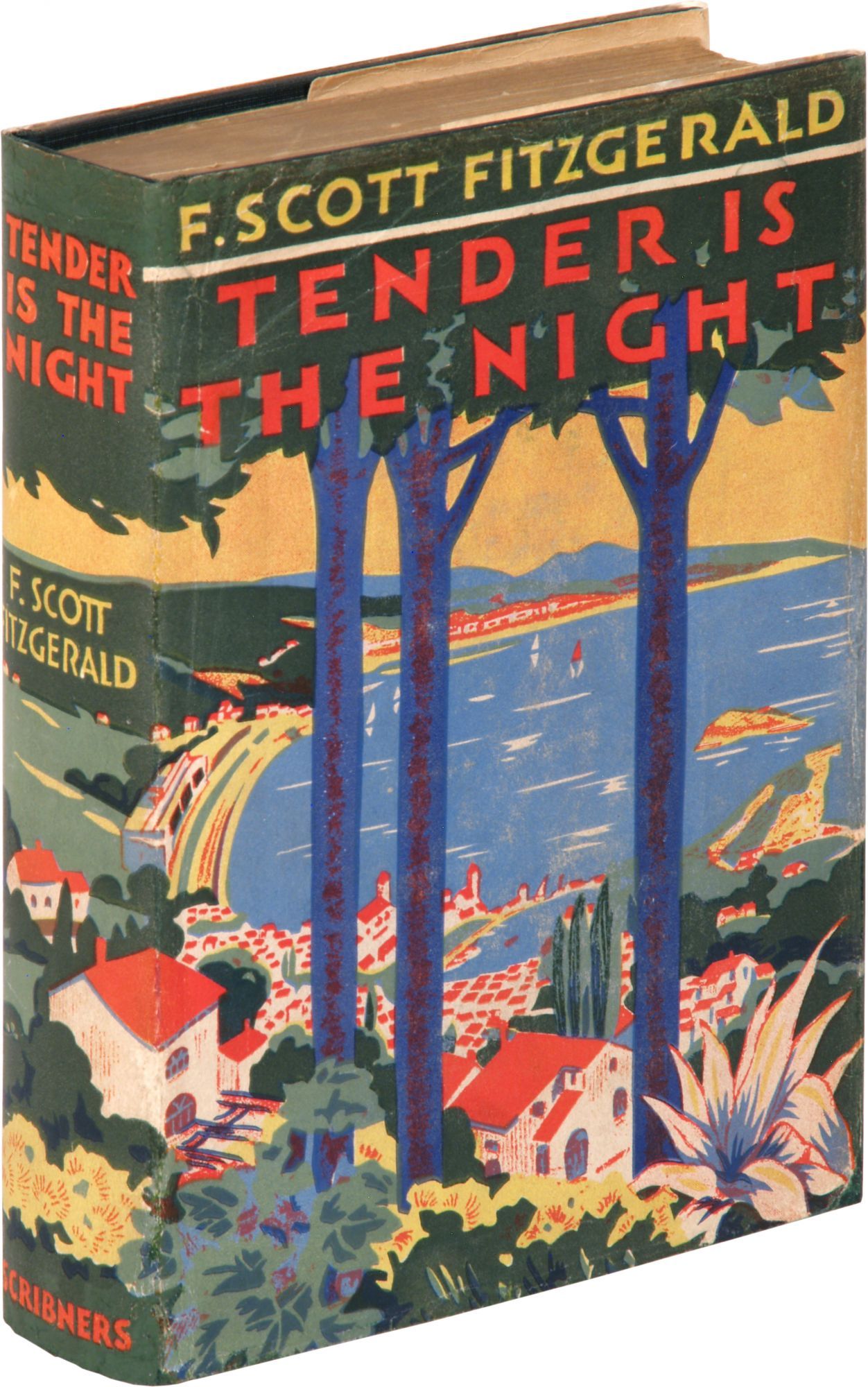
It took nine years. Nine long, whiskey-soaked, tragic years for F. Scott Fitzgerald to follow up the success of The Great Gatsby. When he finally released Tender Is the Night by F Scott Fitzgerald in 1934, the world wasn't exactly ready for it. The Great Depression had hit. People didn't really want to read about rich expats lounging on the French Riviera while they were waiting in bread lines. But honestly? They missed the point.
Fitzgerald was falling apart while he wrote it. His wife, Zelda, was in and out of mental institutions. He was drinking enough to kill a horse. You can feel that raw, bleeding-heart energy on every single page. It’s not a polished little diamond like Gatsby. It’s a messy, sprawling, beautiful disaster. That is exactly why it’s his masterpiece.
The Beautiful Ruin of Dick Diver
The story follows Dick Diver. He's a brilliant, charismatic psychologist. Everyone loves him. He's the "sun" that everyone else revolves around at the Villa Diana. He marries his patient, Nicole Warren, a wealthy heiress with deep psychological scars from childhood trauma. For a while, it works. He's her doctor, her husband, her protector.
Then comes Rosemary Hoyt.
She’s a young, naive actress who stumbles into their world and falls for Dick. But this isn't just a basic "cheating husband" trope. It’s a study in "emotional bankruptcy." That’s a term Fitzgerald loved. He believed we all have a limited amount of emotional capital, and if we spend it all too fast, we’re left hollow.
Dick spends everything he has on Nicole. As she gets stronger and more independent, he starts to crumble. He loses his spark. He starts drinking. He loses his professional standing. By the end, he’s a ghost of the man he used to be, drifting through small towns in upstate New York. It’s brutal to watch.
Why the 1934 Reception Was So Harsh
When the book dropped, critics were mean. They called it "confused." They hated the structure. See, the original version starts in the middle of the story, through Rosemary’s eyes, before jumping back in time to explain how Dick and Nicole met. It’s disorienting.
Later on, after Fitzgerald died, Malcolm Cowley edited a "chronological" version because he thought it would be easier to follow. People still argue about which one is better. Personally, the original is the way to go. You’re supposed to feel confused. You’re supposed to see the glamor first and then realize how rotten the foundation is.
Also, let's talk about the money. The 1930s audience had zero sympathy for the Divers. They saw a bunch of wealthy people complaining about their feelings while the economy was in a tailspin. Fitzgerald felt like a relic of the "Jazz Age" in a "Dust Bowl" world. But if you read it today, the themes of mental health and toxic codependency feel incredibly modern. He was way ahead of his time regarding how we talk about trauma.
The Real-Life Tragedy Behind the Fiction
You can't talk about Tender Is the Night by F Scott Fitzgerald without talking about Scott and Zelda. It’s barely fiction. Nicole’s breakdown in the bathroom? That happened to Zelda. Dick’s professional decline? That was Scott’s fear of his own fading talent.
He even used Zelda’s actual medical records and letters in the book. She was furious about it. She felt like he was stealing her life to fuel his art. It’s a dark, complicated layer to the book that makes it feel almost voyeuristic. You aren't just reading a novel; you’re reading a marriage autopsy.
The Style: Probing the "Broken Universe"
Fitzgerald’s prose is... well, it’s magic. There’s no other word for it. He has this way of describing a summer evening or a look across a dinner table that makes your chest ache.
"In the real dark night of the soul, it is always three o'clock in the morning, day after day."
That’s not from this book—it’s from The Crack-Up—but it captures the vibe perfectly. In Tender, he writes about the "brown enamel" of the Mediterranean and the way "the light would begin to fail" on a person’s life. He captures the exact moment when a party stops being fun and starts being desperate.
He uses long, flowing sentences to describe the heights of their wealth, then cuts you with short, sharp observations about their misery. It’s rhythmic. It’s like jazz. Sometimes it’s chaotic and loud, other times it’s a lonely solo in a dark bar.
Key Characters and Their Damage
- Dick Diver: The "vicar of enjoyment." He thinks he can cure everyone, but he can't cure himself.
- Nicole Diver: Beautiful, fragile, and ultimately the survivor. She’s the one who walks away whole while Dick is in pieces.
- Rosemary Hoyt: The catalyst. She represents the "new" world—immature, successful, and slightly oblivious to the wreckage she leaves behind.
- Tommy Barban: The soldier of fortune. He’s the opposite of Dick. He doesn't want to heal anyone; he just wants to own them.
The Mediterranean as a Character
The setting is vital. The French Riviera in the 1920s wasn't the tourist trap it is now. It was a playground for the "Lost Generation." Fitzgerald basically invented the idea of the "summer season" on the Riviera. Before him, people mostly went there in the winter.
The heat, the salt air, the expensive hotels—it all creates this pressure cooker environment. The beauty of the landscape masks the ugliness of the characters' actions. It’s a gilded cage. You see them drinking champagne on the beach, and it looks like a postcard, but then someone gets shot at a train station or someone has a screaming fit in a car. The contrast is what makes it stick in your brain.
What Most People Get Wrong
People often say this is a book about a man ruined by a woman. That’s a lazy take. Honestly, it’s a book about a man ruined by his own need to be needed. Dick Diver has a "savior complex" that borders on pathological. He chose Nicole because she was broken. He liked the power dynamic of being her doctor.
When she didn't need a doctor anymore, he didn't know how to be just a man. He’s a victim of his own ego as much as he is a victim of Nicole’s family or her money. The Warren family is "old money" in the worst way—they use people up and then throw them away like Kleenex. Dick was just another service they bought.
Final Verdict: Why You Should Read It Now
If you want a perfect story, read Gatsby. If you want a soul-crushing, honest, poetic look at what it means to lose yourself, read Tender Is the Night by F Scott Fitzgerald. It’s a harder read. It’s longer. It’s sadder.
But it’s also more human. We all know what it feels like to give too much of ourselves to someone else. We all know that feeling of "fading" as we get older and realize our best days might be behind us. Fitzgerald captured that better than anyone in history.
How to Actually Tackle This Novel
Don't try to power through it in one sitting. It's too dense for that.
- Read the 1934 original version first. Forget the chronological edit. The mystery of the Divers' past is part of the experience.
- Pay attention to the transitions. Notice how the mood shifts when the scene moves from the beach to the city. Fitzgerald uses geography to mirror Dick's mental state.
- Research the "Villa America". Look up Gerald and Sara Murphy. They were the real-life inspirations for the Divers, and seeing photos of their life on the Riviera makes the book feel much more grounded.
- Listen to the language. Read some of the descriptions out loud. The cadence is half the magic.
Once you finish, look into Fitzgerald's essays in The Crack-Up. It’s the non-fiction companion to Dick Diver’s soul. It explains exactly how Fitzgerald felt as he watched his own life mirror the tragedy he was writing. It's the ultimate deep-dive into the mind of a genius who knew he was falling and couldn't stop.
Check your local library or a used bookstore for an early Scribner’s edition if you can find one. There’s something about the old paper smell that fits this story perfectly. Just get a copy and start. You won't regret it, even if it breaks your heart a little.