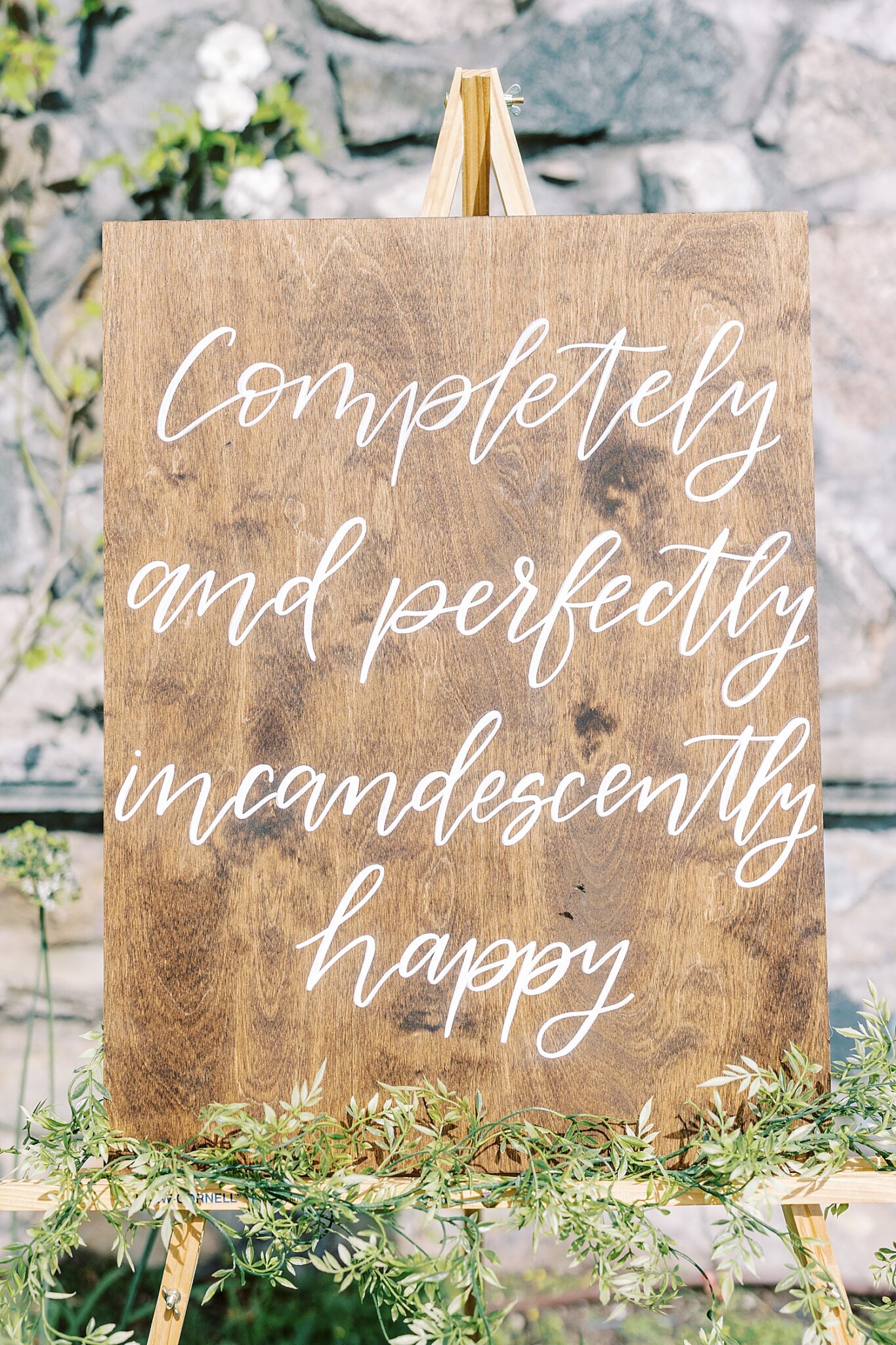
Jane Austen didn't give us the wedding. Honestly, it's the biggest letdown in English literature. After hundreds of pages of "will they, won't they," Darcy and Elizabeth finally get their act together, and then—nothing. We get a summary. A few paragraphs about how the families reacted and who moved where. But the actual ceremony? The dress? The cake? Austen skipped it.
Because of that gap, the modern pride and prejudice wedding has become a mix of 1995 BBC nostalgia, 2005 Keira Knightley vibes, and a whole lot of stuff that actually never happened in the Regency era. People think it was all lace and afternoon tea. It wasn't.
If you’re planning a wedding inspired by Pemberley, you've probably looked at Pinterest boards filled with mason jars and burlap. Stop. Just stop. That’s "shabby chic," and it has zero to do with the Georgian gentry. To get that authentic Austen feel, you have to look at the actual laws of the early 1800s. It was stricter, weirder, and way more morning-focused than you’d expect.
The Legal Reality of a Regency Wedding
Back in 1813, you couldn't just get married at sunset in a field. Sorry. The Lord Hardwicke’s Marriage Act of 1753 was still the law of the land during the time Pride and Prejudice was written. This meant a few very specific things for Elizabeth Bennet and Mr. Darcy.
First, the timing. Weddings had to take place between 8:00 AM and 12:00 PM. If you wanted to get married in the afternoon, you needed a Special License from the Archbishop of Canterbury. These were expensive. They were a status symbol. While Darcy could certainly afford one, the "standard" Austen wedding happened early. You’d get married, then go home for a "wedding breakfast." It wasn't a dinner dance. It was a morning feast.
Second, the location. You had to be married in a church. Specifically, the parish church of one of the parties. The idea of an "outdoor ceremony" would have been scandalous or, at the very least, legally invalid. When we imagine a pride and prejudice wedding, we have to picture the damp, stone interior of a village church like the one in Meryton, not a botanical garden.
What Did Elizabeth Bennet Actually Wear?
Forget the massive princess ballgowns. The Regency silhouette was the empire waist. It’s named after the First French Empire, and it was a radical departure from the heavy corsets of the 1700s.
White wasn't even the "required" color yet. That didn't become a hard rule until Queen Victoria in 1840. In Elizabeth’s time, a bride just wore her best dress. Now, since the Bennets were "gentlefolk" (even if they were strapped for cash), she likely would have chosen a fine white muslin. It was a status symbol because white was incredibly hard to keep clean. It showed you had servants.
- The Fabric: Lightweight cotton muslin or silk satin.
- The Shoes: Flat slippers. Heels were out. Think ballet flats, but made of silk or kid leather.
- The Headpiece: A bonnet. Seriously. Most Regency brides wore a decorated bonnet or a simple veil attached to a floral crown.
Men's fashion was arguably more interesting. Mr. Darcy wouldn't be in a tuxedo. Those didn't exist. He’d be wearing a frock coat, a high-collared shirt with a cravat tied in a complex knot, and breeches with Hessian boots. If you want a real pride and prejudice wedding, the groom needs a cravat, not a clip-on tie.
The Wedding Breakfast Menu (No Cupcakes)
The food was heavy. Forget the "salmon or chicken" choice. A Regency wedding breakfast was served "à la française," meaning all the dishes were put on the table at once.
You’d see cold meats, game pies, ragouts, and sweets all sitting together. There was no tiered cake with fondant. Instead, they had "Bride Cake." This was a dense, dark fruitcake soaked in brandy and covered in a hard almond paste and white sugar icing. It was rock hard. It was meant to last.
It’s also worth noting the drinks. Tea was expensive and prestigious. Madeira wine was common. If you’re hosting a modern version, a brunch-style reception is actually the most historically accurate way to honor the book.
Why We Get the Aesthetic Wrong
The 2005 Joe Wright film ruined our perception of the era—in a beautiful way, but still. It used a lot of "prairie" elements and messy hair. In reality, the Regency era was obsessed with Classical Greece. They wanted to look like marble statues. Hair was curled tightly to the head. Houses were symmetrical.
A real pride and prejudice wedding should feel architectural and refined. It’s about the "English Country House" style. Think faded rugs, oil paintings, mismatched but expensive china, and lots of greenery brought indoors.
Common Misconceptions
- Evening Receptions: They didn't happen. The party ended by late afternoon so the couple could travel to their new home before dark.
- Walking Down the Isle: Brides didn't always have a "processional" with music. Often, they just walked to the church with their family.
- Bridesmaids: They were usually younger sisters or cousins, and they didn't wear matching "infinity dresses." They just wore nice day dresses.
Planning Your Modern Austen Wedding
To pull this off without looking like a costume party, you have to focus on the vibe of the Regency, not just the costumes. It’s about restraint. It’s about the tension between public duty and private passion.
Venue Selection
Look for a historic manor or a library. Walls lined with books are the ultimate Darcy move. If you can find a stone chapel with zero modern lighting, you’re halfway there.
Stationery and Script
The Regency was the golden age of letter writing. Your invitations should reflect that. Use copperplate calligraphy. Avoid "cute" fonts. Use heavy, cream-colored cardstock. Wax seals are not optional here; they are the centerpiece. Use a crest or a simple botanical stamp.
The Flowers
Austen’s world was seasonal. You wouldn't have peonies in November. Stick to what would grow in an English garden. Roses, lavender, lily of the valley, and lots of ivy. The arrangements should look slightly overgrown, as if they were plucked from the grounds of Longbourn.
The "Darcy" Factor in Groom’s Attire
Most grooms struggle with the Regency look because it can easily lean into "pirate" territory if done wrong. The key is the tailoring. The coat should be snug. The cravat should be stiff.
If a full Regency kit is too much, go for a morning suit. It’s the direct descendant of the clothes Darcy would have worn. It keeps the formality without making the groom feel like he's in a high school play.
Creating the Atmosphere
Music is your best friend. Ditch the DJ for the ceremony and the meal. You need a harpist or a string quartet. They should be playing Mozart, Haydn, or traditional English country dance tunes.
Remember the scene at the Netherfield ball? That energy—the structured dancing where you actually have to talk to your partner—is what you want to recreate. If you really want to commit, hire a dance caller to teach your guests a simple Regency dance. It’s a great icebreaker because nobody knows what they’re doing.
Actionable Steps for Your Pride and Prejudice Wedding
If you’re ready to start, don't just buy a "Regency" dress on a whim.
- Research the "Longbourn vs. Pemberley" aesthetic. Decide if you want the rustic, slightly chaotic feel of the Bennet household or the grand, neoclassical elegance of Darcy’s estate. This will dictate your entire color palette.
- Book a morning slot. If you can get married at 11:00 AM and do a long, boozy lunch, you’ll save a ton of money on venue fees and be more historically accurate.
- Source authentic fabrics. If you're getting a dress made, look for cotton voiles or silk organza. Avoid heavy polyester satins that scream "modern bridal shop."
- Curate a "Regency" playlist. Look for the soundtracks of the 1995 and 2005 adaptations, but also dive into the English Dancing Master by John Playford for authentic tunes.
- Focus on the letters. Incorporate quotes from the book into your vows or decor, but keep them subtle. A single line like "My affections and wishes are unchanged" on a menu card is more powerful than a giant "Mr. & Mrs. Darcy" neon sign.
Authenticity in a pride and prejudice wedding comes from the details that reflect Jane Austen's actual world. It’s the contrast between the mud on the hem of a dress and the gold leaf on the ceiling of a ballroom. Keep it elegant, keep it slightly restrained, and remember that even Elizabeth Bennet would have thought a photo booth was a bit much. Focus on the conversation, the connections, and the quiet realization that you've finally found your "proper object."